In February this year, House of Bamboo turned 50, marking half a century of commitment to natural materials, sustainable building practices, and supporting the Australian architecture and design community. From humble roots back in 1972 when Mark Snyders began importing bamboo products to Australia, the company has grown into one of the most innovative and sustainable players in the industry, guided by the leadership and expertise of Jennifer Snyders who has transformed the business from specialty importer into comprehensive materials supplier and industry advocate.
In February this year, House of Bamboo turned 50, marking half a century of commitment to natural materials, sustainable building practices, and supporting the Australian architecture and design community. From humble roots back in 1972 when Mark Snyders began importing bamboo products to Australia, the company has grown into one of the most innovative and sustainable players in the industry, guided by the leadership and expertise of Jennifer Snyders who has transformed the business from specialty importer into comprehensive materials supplier and industry advocate.

Five decades in business represents remarkable longevity, particularly in industries as dynamic as architecture, construction, and materials supply where many companies don't survive leadership transitions or market disruptions. This longevity reflects sustained commitment to quality, service, and values that have guided the business through multiple economic cycles, industry transformations, and generational changes in design preferences.
The journey from 1972 to today traces broader shifts in how Australia's building industry approaches natural materials and sustainability. When Mark Snyders began importing bamboo, it was exotic specialty material serving niche markets and specific aesthetic preferences. Today, bamboo increasingly appears in mainstream residential and commercial projects as architects recognize its environmental credentials and performance characteristics.
Jennifer Snyders' architectural training brought professional perspective that transformed how the business engages with the design community. Rather than simply supplying materials, House of Bamboo now provides technical expertise, design consultation, educational resources, and collaborative problem-solving that architects value as much as product quality. This evolution from transaction-focused supplier to partnership-oriented resource reflects deepening understanding of how architects work and what they need to specify confidently.
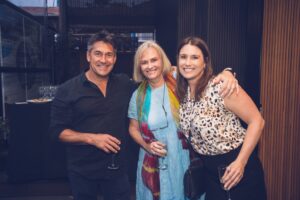
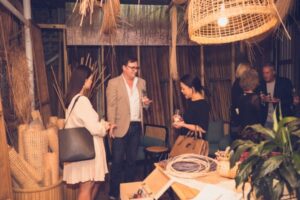
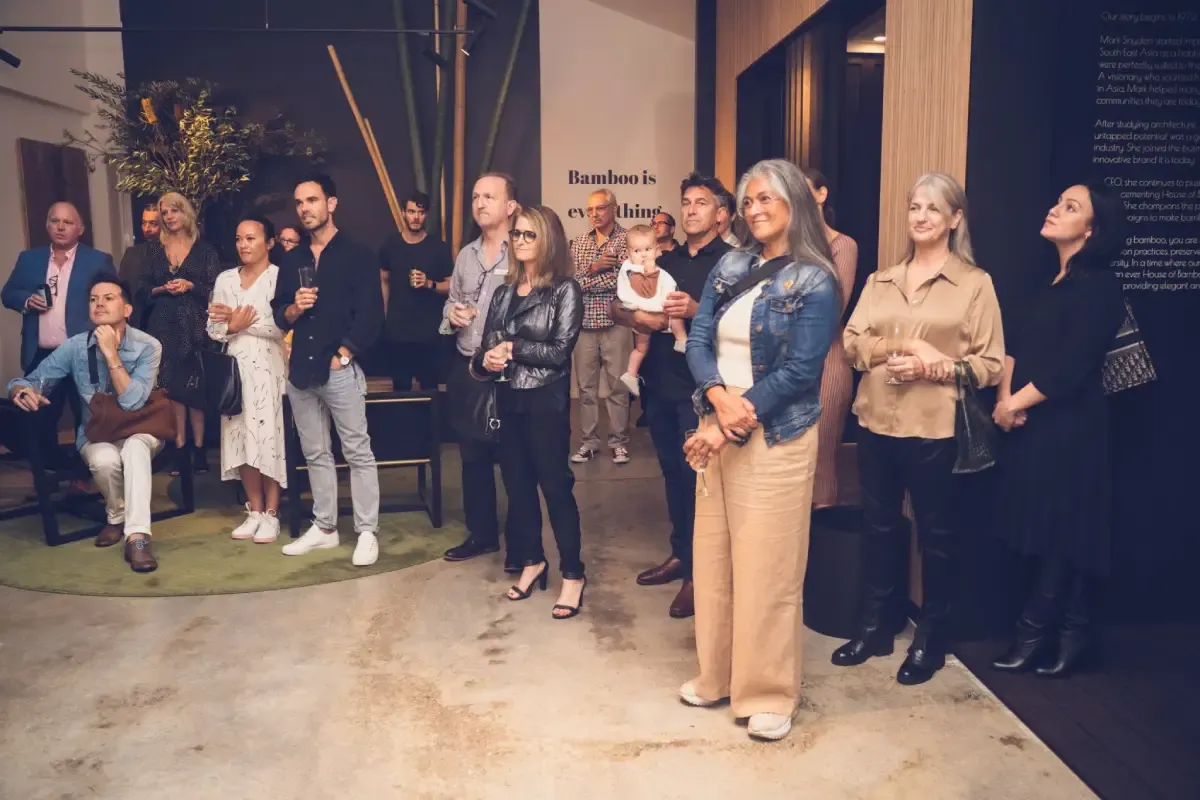
To celebrate, we invited friends, colleagues, loyal clients, and like-minded professionals to visit our transformed showroom in Botany and embark on a sensory journey through space and time that showcased both our heritage and our vision for bamboo's future in Australian architecture.
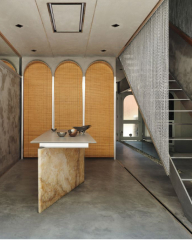
The choice to celebrate in our showroom rather than external venue proved intentional, allowing guests to experience the space where Jennifer's architectural vision and material passion converge. The transformed showroom itself represents our 50-year journey—respecting traditional bamboo applications while demonstrating contemporary possibilities through engineered systems, innovative installations, and sophisticated design integration.
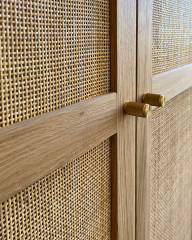
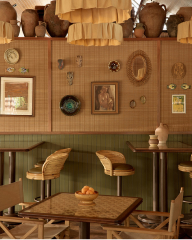
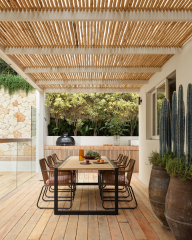
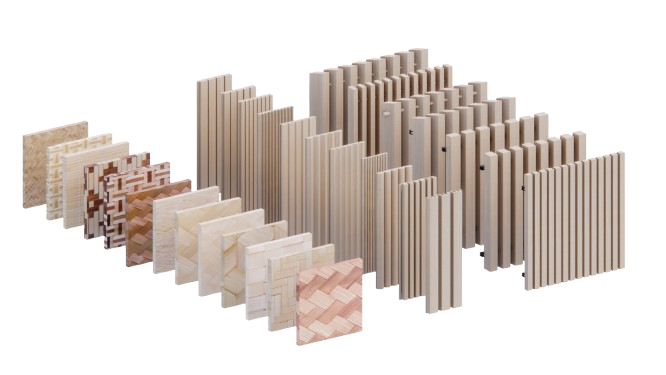
Guests moved through spaces showcasing our complete product range from natural bamboo poles and Natureed screening through textured rattan cane webbing to contemporary engineered systems like our SeaChange and Symphony Series. The immersive experience allowed professionals to see, touch, and understand products at architectural scale rather than as small samples, building the material familiarity that confident specification requires.
The "sensory journey" concept emphasized bamboo's multi-dimensional qualities beyond purely visual assessment. Guests experienced bamboo's tactile character through touching varied surfaces and textures. They heard how acoustic panels influence sound quality in occupied spaces. They observed how light interacts with slatted screens and woven panels throughout the day. They even noticed bamboo's subtle natural aroma, often overlooked in technical discussions but contributing to biophilic benefits research increasingly documents.
The temporal dimension acknowledged our 50-year history while looking forward to bamboo's expanding role in sustainable construction. Historical context helped guests appreciate how far bamboo has evolved from specialty import to serious building material, while forward-looking installations demonstrated possibilities that emerging manufacturing techniques and growing environmental awareness create for future applications.
We would like to thank everyone who joined us for this unique event, representing the diverse community that has supported House of Bamboo's growth and success across five decades. The guest mix reflected the breadth of relationships we've built and the varied professionals who specify, install, and appreciate bamboo materials.
From clients who have trusted us for decades, specifying bamboo across multiple projects and seeing firsthand how it performs over extended timeframes, their continued loyalty validates our commitment to quality and service. These relationships often span project types and design eras, with architects returning to bamboo repeatedly as their practices evolve and their understanding of the material deepens.
Original staff members from the 1980s who helped build the business during its formative decades brought institutional memory and personal stories illustrating how much has changed and what core values have remained constant. Their presence connected celebration attendees to company history in authentic, personal ways that corporate timelines cannot replicate.
The architects and designers who visited our showroom for the first time represented future relationships and emerging opportunities. Their attendance demonstrated curiosity about bamboo and willingness to explore alternatives to conventional materials—exactly the openness that drives industry transformation toward more sustainable practices.
We feel privileged to have such a supportive network spanning architects, designers, builders, landscape architects, developers, and sustainability advocates who recognize that material choices matter profoundly for environmental outcomes and design quality. This community doesn't view sustainability and design excellence as competing priorities but as reinforcing values creating better buildings and lighter environmental footprints.
The network's strength emerges from shared values rather than merely transactional relationships. The professionals we work with generally share commitment to environmental responsibility, appreciation for natural materials, and belief that sustainable alternatives shouldn't compromise design quality or performance. This values alignment creates partnerships where we collaborate toward shared objectives rather than negotiating opposing interests.
The community also benefits from knowledge exchange as architects share experiences, techniques, and lessons learned across projects. Someone specifying bamboo for the first time can draw on collective wisdom from dozens of previous projects, avoiding common mistakes while building on proven approaches. This collaborative learning accelerates bamboo adoption by reducing specification risk and building industry confidence.
And we truly believe the best is yet to come, as growing environmental awareness, tightening carbon regulations, and evolving design sensibilities create increasingly favorable conditions for bamboo adoption. The next 50 years will likely see bamboo transition from alternative material requiring justification to mainstream option specified routinely alongside timber, steel, and other conventional materials.
This optimism isn't wishful thinking but reasoned assessment based on market trends, regulatory developments, technological advances, and cultural shifts all favoring sustainable materials with documented performance. Our 50-year perspective provides confidence that industries can transform when committed professionals persist despite obstacles, building evidence and expertise that eventually reaches critical mass triggering broader adoption.
If you would like to experience our showroom for yourself and understand what made our 50th anniversary celebration so memorable, we look forward to welcoming you at 13 Erith Street in Botany, Monday to Friday between 8am and 4pm or on Saturday between 9am and 1pm.
The showroom showcases our complete product range across natural, textured, and contemporary collections, installed at architectural scale in functional contexts. You'll see how bamboo performs as structural material, finish surface, acoustic treatment, and decorative element. You'll experience the multi-sensory qualities that photographs cannot adequately convey—texture, weight, acoustic character, and even subtle aroma.
Beyond products, you'll encounter the knowledge and expertise accumulated over 50 years supporting Australian architects and designers. Our team provides technical guidance, shares project experiences, discusses appropriate applications, and helps navigate challenges from specification through installation. This consultative approach reflects Jennifer's understanding that architects need partners supporting their success, not just suppliers fulfilling orders.
While walk-ins are welcome, scheduling appointments ensures dedicated time with team members who can address your specific questions and project needs. For complex projects or detailed technical discussions, advance notice allows us to prepare relevant materials and allocate appropriate consultation time.
Bring project information if you're considering bamboo for active projects. Drawings, photographs, or simple descriptions help us provide specific rather than general guidance, addressing your actual design challenges rather than hypothetical scenarios. We can suggest products, detail approaches, and installation strategies tailored to your project's particular requirements.
Our 50th anniversary celebration honored the past while looking enthusiastically toward the future. The event gathered the community that has made this journey possible—loyal clients, dedicated staff, innovative architects, skilled installers, and everyone who has specified, recommended, or simply appreciated bamboo's potential for creating beautiful, sustainable built environments.
As we embark on our next chapter, we remain committed to the values that have guided us for five decades: quality products, expert service, collaborative partnerships, and genuine commitment to environmental responsibility. We're excited about bamboo's expanding possibilities as manufacturing advances, regulatory frameworks evolve, and the design community increasingly recognizes that sustainable materials can deliver exceptional performance and aesthetic outcomes.
Thank you for being part of our story. We look forward to collaborating with you on the projects, innovations, and transformations that will define the next 50 years of sustainable design in Australia.