Bamboo is one of the world’s fastest-renewing resources, reaching maturity in just 3 to 5 years compared to hardwoods that take decades. By choosing bamboo, you embrace a material that perfectly balances performance, beauty, and responsibility.
Maturity in 3–5 years and ready for harvest every year
Up to 35% more CO₂ absorption than trees
Fights soil erosion and restores biodiversity
Resistant to termites and naturally antimicrobial
Bamboo rapidly absorbs and stores atmospheric carbon
Extensive clumping root systems boost soil moisture and reduce runoff
Bamboo thrives with minimal water and no fertilizers, making it a regenerative resource
Its roots naturally filter water and absorb pollutants
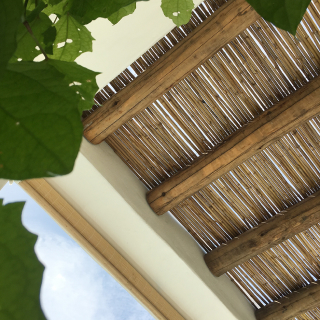
* Embodied Carbon is reported as Global Warming Potential (GWP), measured in kgCO₂e, across life cycle stages A1–A3. For bio-based materials such as bamboo and timber, this includes both fossil emissions from manufacturing and biogenic carbon stored during biomass growth.
* Biogenic Carbon Storage refers to the carbon absorbed from the atmosphere during plant growth and retained in the material for the duration of its service life.

Jennifer Snyders, CEO & Bamboo Expert
01
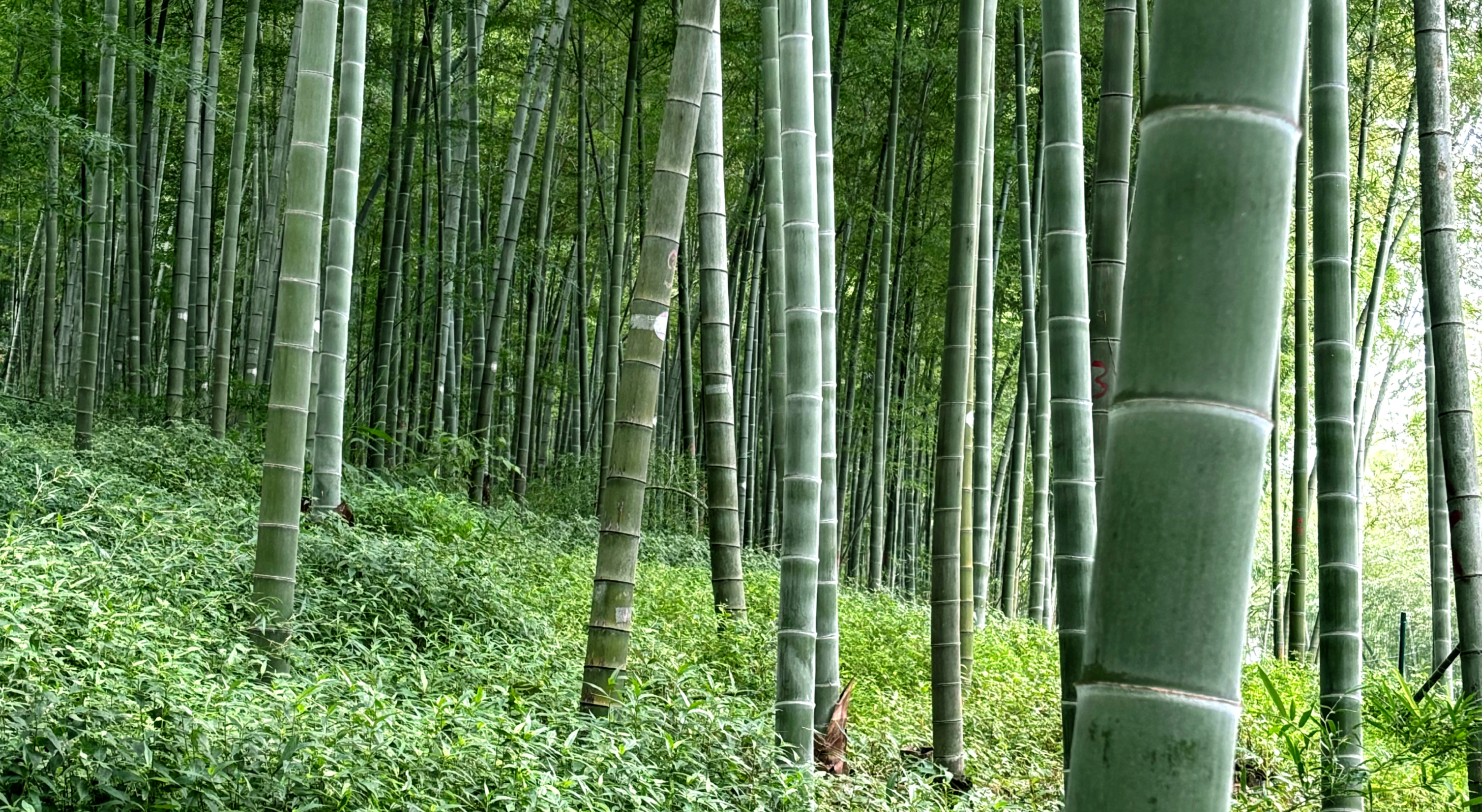
Bamboo grows to maturity in just 3–5 years, regenerating naturally without replanting and capturing more carbon than most trees.
02
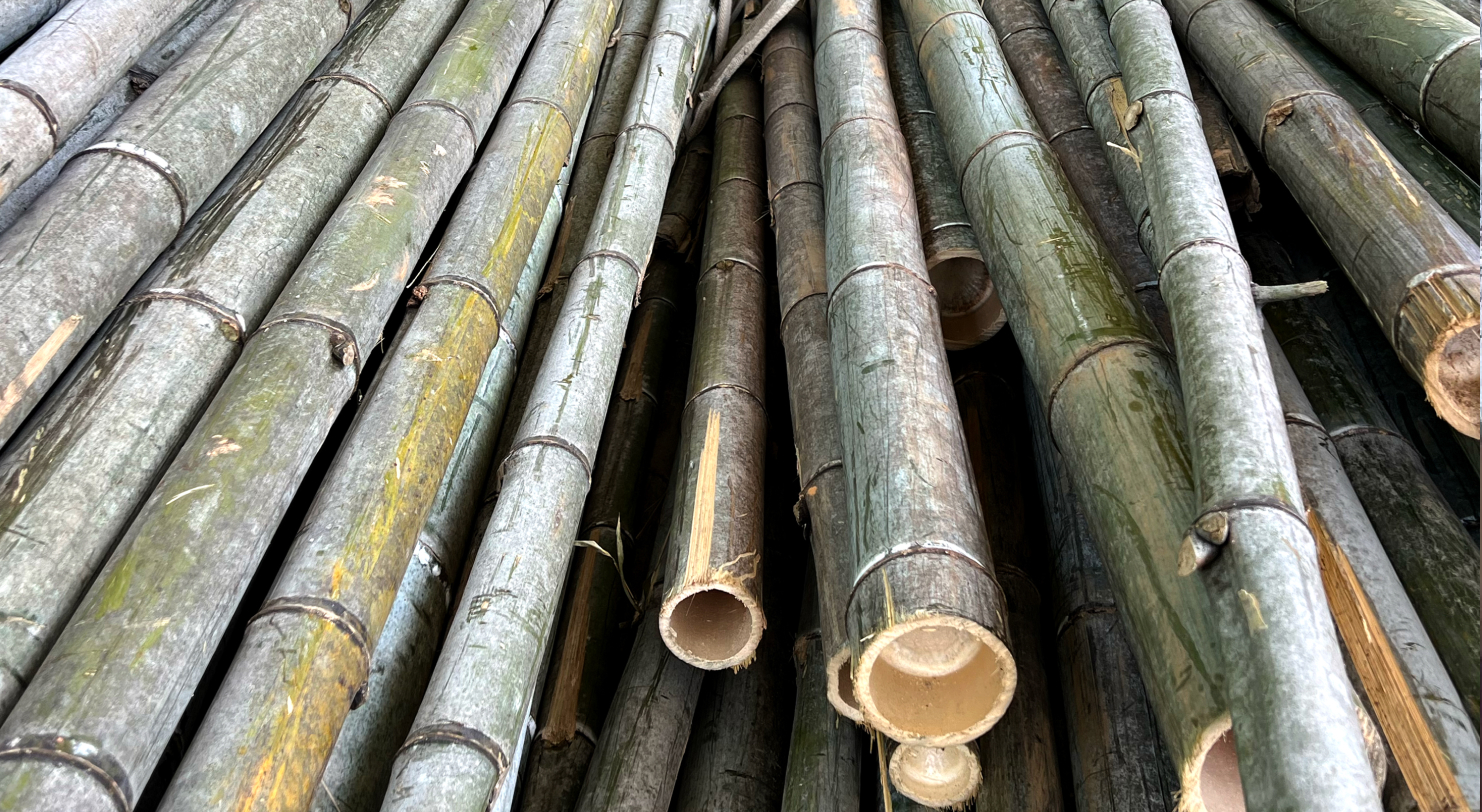
The Bamboo is carefully harvested at maturity, selecting only culms at the right age to ensure optimal strength, durability, and long-term performance.
03
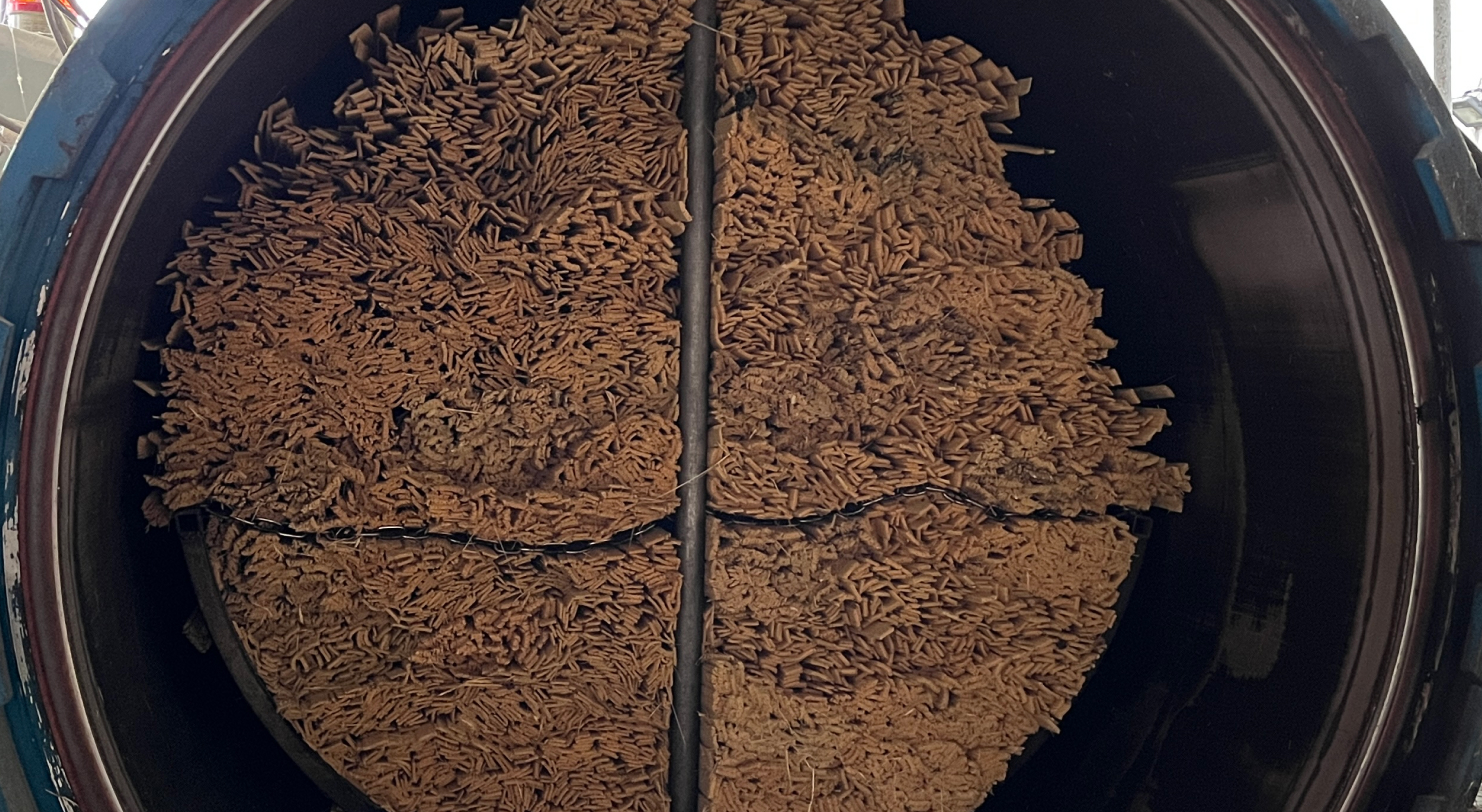
Each bamboo product is developed through years of testing and refinement, only using low-impact treatments to ensure durability while protecting the environment.
04
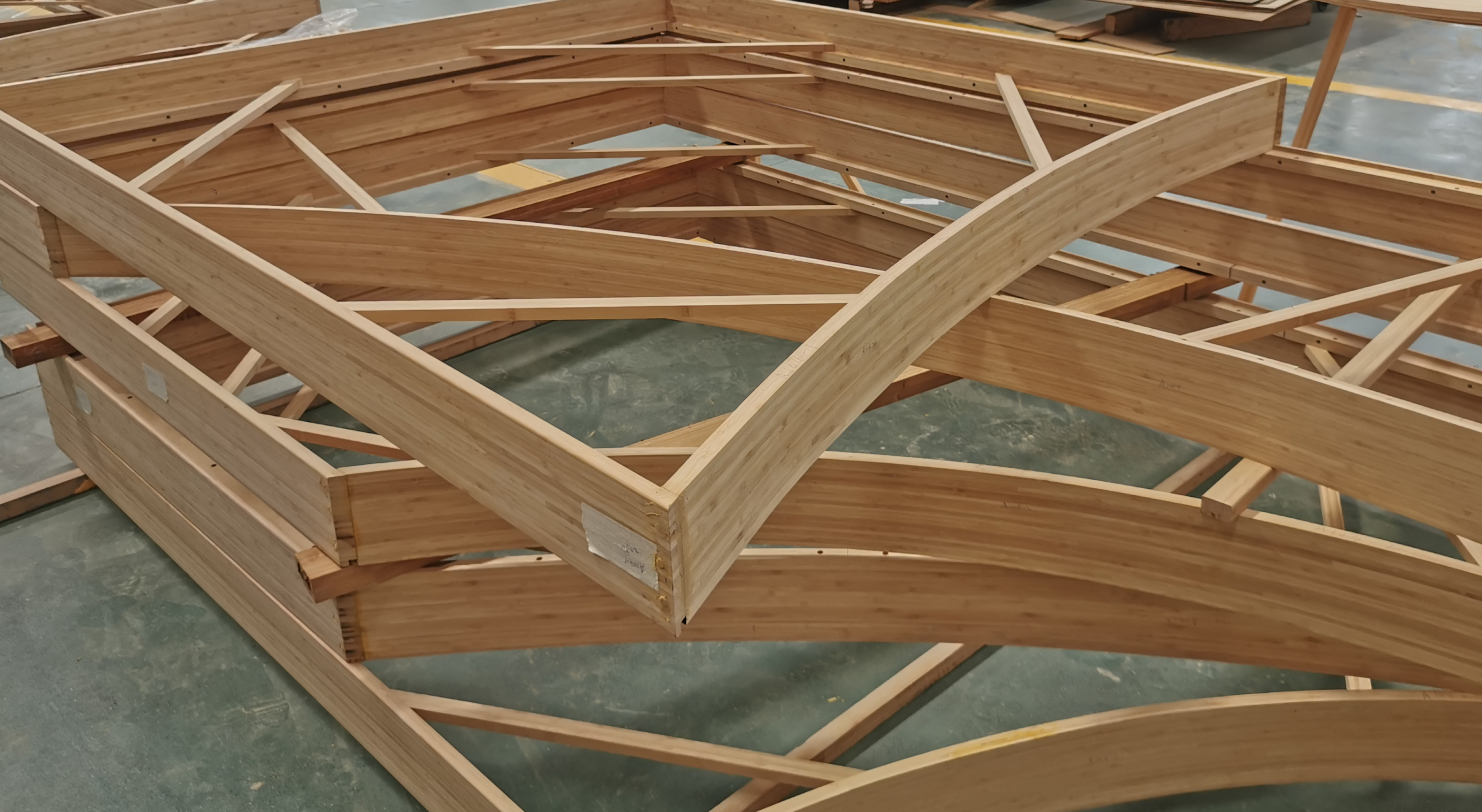
Raw bamboo is transformed into panels, beams, and decorative solutions through energy-efficient processes with minimal waste.
05
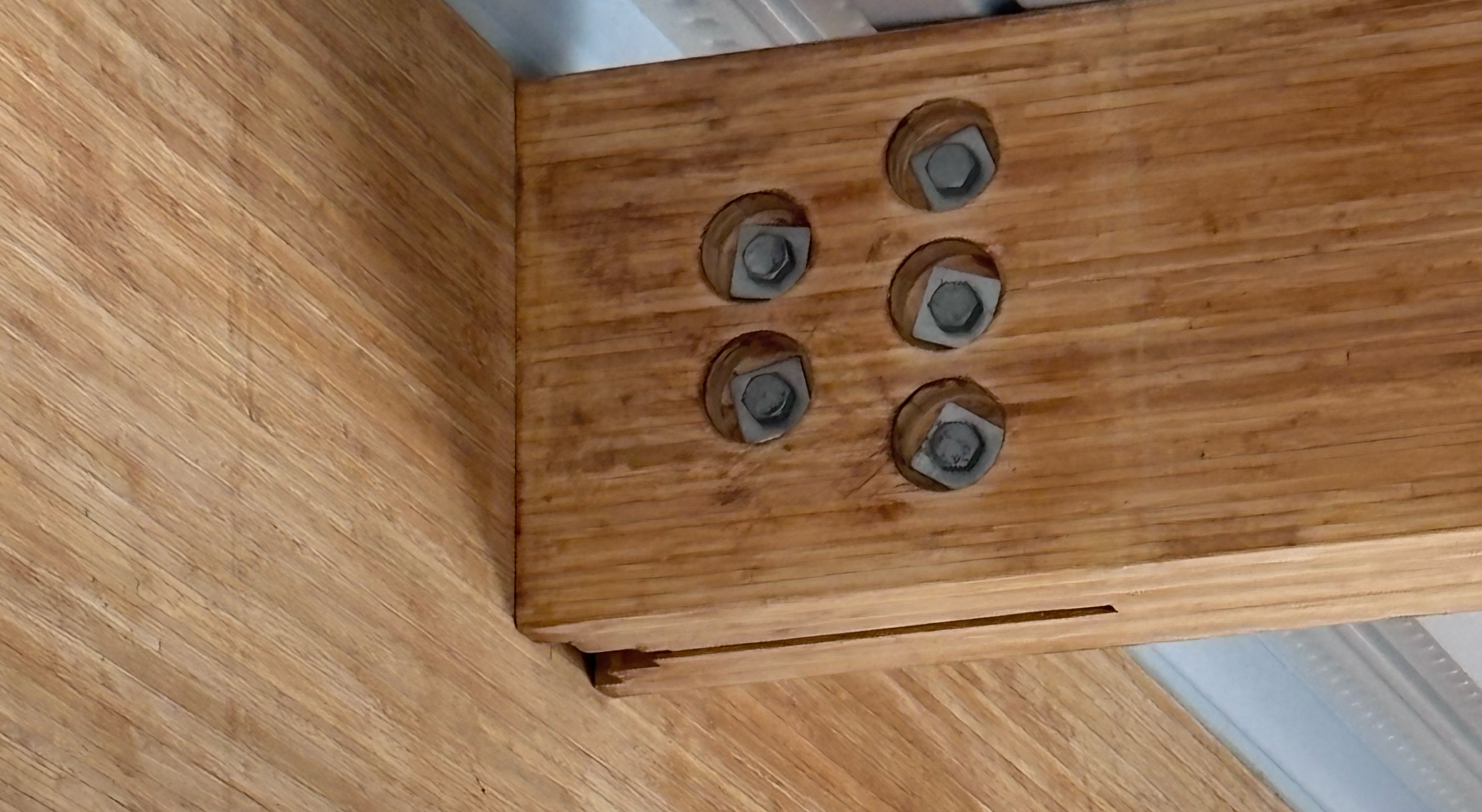
Our products are designed to last and to be regenerative closing the loop on a true circular econony to be repurposed or recycled, finding new life in new architectural projects or other applications.