Bamboo Flooring Pros and Cons: Is This Sustainable Option Right for Your Home?
More homeowners now prioritize sustainability when renovating or building, driving increased interest in natural flooring alternatives. This shift in consumer values has propelled bamboo to prominence among flooring options, offering environmental benefits that conventional materials cannot match. Yet like any building material, bamboo flooring presents both advantages and considerations that deserve careful examination. Understanding these factors empowers informed decisions about whether bamboo suits your specific lifestyle and project requirements.
More homeowners now prioritize sustainability when renovating or building, driving increased interest in natural flooring alternatives. This shift in consumer values has propelled bamboo to prominence among flooring options, offering environmental benefits that conventional materials cannot match. Yet like any building material, bamboo flooring presents both advantages and considerations that deserve careful examination. Understanding these factors empowers informed decisions about whether bamboo suits your specific lifestyle and project requirements.
Bamboo Flooring Manufacturing
Five Factors Determining Bamboo Flooring Quality
Key Advantages of Bamboo Flooring
Disadvantages to Consider in Bamboo Flooring
Ensuring Quality Bamboo Flooring Selection
Best Applications for Bamboo Flooring
Bamboo Flooring Supporting Sustainable Building
Bamboo Flooring Suitability for Your Project
Share this post:
Bamboo Flooring Manufacturing
Five Factors Determining Bamboo Flooring Quality
Key Advantages of Bamboo Flooring
Disadvantages to Consider in Bamboo Flooring
Ensuring Quality Bamboo Flooring Selection
Best Applications for Bamboo Flooring
Bamboo Flooring Supporting Sustainable Building
Bamboo Flooring Suitability for Your Project
How Is Bamboo Flooring Manufactured?
All bamboo flooring undergoes engineering processes that transform raw bamboo culms into stable, uniform planks suitable for residential and commercial installation. Understanding this manufacturing reveals how bamboo achieves the appearance and performance characteristics that make it viable as flooring.
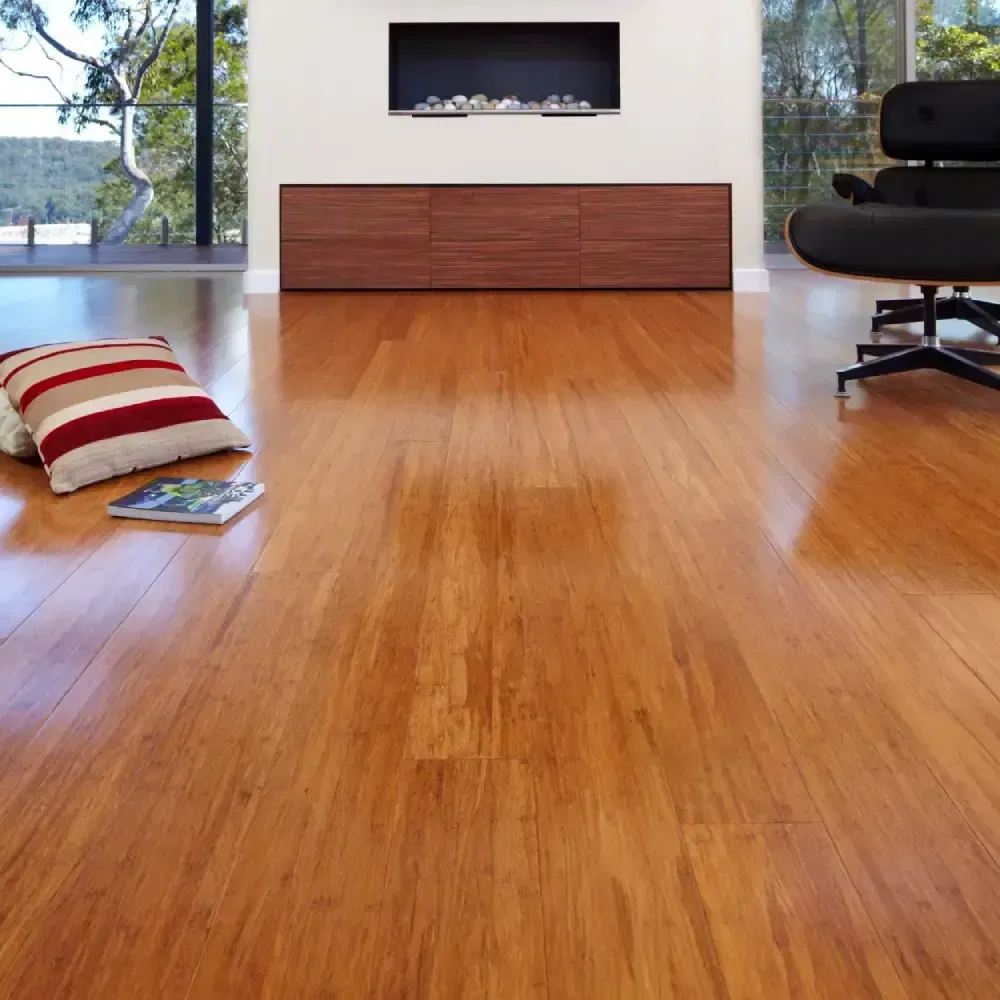
After harvesting, bamboo shoots are cut, sliced, and shredded into long thin strips. These strips are then pressed back together using adhesives and pressure, creating long-lasting flooring that visually resembles hardwood while maintaining bamboo's unique properties.
Three Common Bamboo Flooring Types
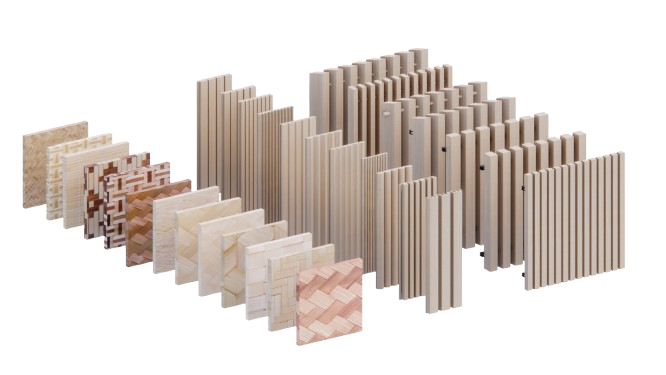
Vertical bamboo displays a uniform, textured appearance with more seams and edges visible. This construction method arranges bamboo strips vertically, creating distinctive linear patterns that appeal to contemporary design sensibilities.
Horizontal bamboo resembles typical hardwood but features distinct knuckles that identify it as bamboo. The horizontal strip arrangement showcases bamboo's natural growth characteristics, including the nodes that mark each section of the culm.
Strand woven bamboo involves compressing bamboo fibers through an intensive process and binding them with resin. This method produces the hardest bamboo flooring type, often exceeding the hardness of many hardwood species while creating unique grain patterns.
What Five Factors Determine Bamboo Flooring Quality?
Although bamboo floors may appear identical, several differences distinguish quality products from inferior alternatives. As a provider of sustainable bamboo materials since 1972, House of Bamboo understands that overall quality begins with harvesting and extends through every manufacturing stage.
Proper Harvesting Maturity
While bamboo reaches full height in three to four months, it requires at least five years to achieve peak density and hardness. Prematurely harvested bamboo results in weaker flooring that underperforms throughout its lifecycle.
This patience in harvesting distinguishes quality manufacturers from those prioritizing production volume over performance. Mature bamboo delivers the durability and stability that homeowners expect from premium flooring materials.
Appropriate Drying Processes
Since bamboo thrives in subtropical environments, it needs artificial drying to achieve appropriate moisture content. This process prevents shrinkage in finished products, ensuring dimensional stability that maintains appearance and prevents gaps between planks.
Inadequate drying creates flooring susceptible to movement with humidity changes. Quality manufacturers invest in proper drying infrastructure that eliminates moisture-related problems before products reach installation.
Safe Adhesive Selection
The glue used in high-quality bamboo flooring is phenolic resin, which has low toxicity and meets world health requirements. This adhesive ensures structural integrity without compromising indoor air quality.
Cheaper bamboo flooring often uses phenol or urea-based adhesives that cost less but contain formaldehyde. These lower-quality binders may off-gas volatile organic compounds that affect indoor environments and occupant health.
FSC Certification Standards
FSC certification indicates that bamboo flooring manufacturers value sustainability. This certification provides assurance that you're purchasing material using bamboo harvested from sustainably managed forests.
Certification verifies supply chain practices, from forest management through manufacturing. It represents third-party validation of environmental claims rather than relying solely on manufacturer marketing.
Avoiding Greenwashing Tactics
Greenwashing has become prevalent in bamboo flooring due to the material's emerging market potential. Misleading sustainability claims exploit consumer interest in eco-friendly products without delivering genuine environmental benefits.
Increased popularity also brings market competition that creates varying floor prices and quality levels. Buyers must look beyond marketing claims to verify actual product characteristics and manufacturing practices.
What Are the Key Advantages of Bamboo Flooring?
Understanding bamboo flooring's benefits helps homeowners recognize why this material increasingly appears in sustainable building projects. These advantages span environmental performance, practical maintenance, aesthetic appeal, and long-term value.
Exceptional Eco-Friendly Credentials
Bamboo ranks as a highly renewable resource that reaches full maturity in five to seven years. This rapid growth means bamboo can be harvested far more frequently than hardwood trees requiring 20 years or more to mature.
Since bamboo is technically grass, it continues growing without requiring replanting after harvest. The root system remains intact, immediately producing new shoots that reach harvest maturity in a fraction of the time conventional timber requires.
Authentic Natural Material
As homeowners become more eco-conscious, demand for construction products reflecting environmental values has reached unprecedented levels. Bamboo consistently proves superior as a natural flooring alternative offering distinct results unsuitable for cookie-cutter design approaches.
The material's genuine natural origins create connections to biophilic design principles. Unlike synthetic materials mimicking wood appearance, bamboo brings authentic organic presence that affects occupants differently than imitations.
Straightforward Maintenance Requirements
Bamboo flooring requires relatively low maintenance. Regular sweeping and mopping keep it clean and looking excellent for years. A mild soap or vinegar-water solution handles routine cleaning, while specific bamboo floor cleansers address deeper cleaning needs.
This maintenance simplicity makes bamboo practical for busy households. The care required remains minimal compared to high-maintenance flooring options, yet delivers natural beauty that synthetic alternatives cannot match.
Impressive Durability Performance
Certain bamboo types demonstrate remarkable strength and durability. When properly harvested and processed, natural un-carbonized bamboo lasts as long as hardwood floors. Strand-woven bamboo can be significantly harder than conventional hardwood species.
This durability means bamboo flooring represents genuine long-term investment rather than compromise material. Properly specified bamboo performs reliably for decades, justifying initial costs through extended service life.
Contemporary Stylish Appeal
Although similar to hardwood in appearance and feel, bamboo flooring possesses exceptional flair with sleek finishes fitting clean, modern aesthetics. Its contemporary appeal elevates spaces almost instantly, transforming rooms through material choice alone.
The material works particularly well in minimalist interiors where clean lines and natural materials create sophisticated simplicity. Bamboo's distinctive grain patterns add visual interest without overwhelming design intent.
Wide Variety of Options
Bamboo flooring comes in extensive styles and colors. Natural bamboo displays light yellow coloring, but carbonization creates darker tones. Stained bamboo can achieve abstract streaks in different shades, expanding design possibilities.
This variety allows customization to specific aesthetic preferences. Whether seeking light, contemporary tones or richer, warmer hues, bamboo flooring offers options that coordinate with diverse interior design schemes.
Refinishing Potential for Longevity
Over time, bamboo floors may become discolored, dented, or scratched, creating bumps and crevices. However, surfaces can be refinished when needed, providing new, even appearance that extends flooring lifespan significantly.
This refinishing capability means bamboo doesn't require complete replacement when showing wear. Surface renewal restores appearance at fraction of replacement cost, maximizing return on initial flooring investment.
Natural Pest Resistance
Bamboo demonstrates natural immunity to insects, meaning bamboo floors generally don't require pesticides to keep residences pest-free. This resistance reduces chemical usage in homes while eliminating pest-related damage that affects some timber species.
The material's inherent pest resistance contributes to indoor air quality by eliminating need for chemical treatments. This aligns with healthy home principles prioritizing occupant wellness alongside aesthetic considerations.
Competitive Pricing Structure
Bamboo's sustainability allows pricing considerably lower than traditional hardwood floors, making it accessible for budget-conscious remodelers. Typical pricing ranges from $60 to $80 per square meter, though quality variations affect costs.
However, cheaper options aren't always better. Research matters to ensure value represents genuine quality rather than inferior products marketed at artificially low prices that compromise performance and longevity.
What Disadvantages Should You Consider?
Balanced evaluation requires understanding bamboo flooring's limitations alongside its benefits. These considerations help set appropriate expectations and inform decisions about whether bamboo suits specific applications and environments.
Susceptibility to Surface Scratches
Although durable, bamboo flooring remains susceptible to dents and scratches from sharp objects. Heeled shoes, furniture legs, and pet nails can damage surfaces, as can dust particles that accumulate on floors acting as abrasives.
However, this damage can be remedied through refinishing. The ability to restore surfaces means scratching represents maintenance consideration rather than permanent defect, provided homeowners accept periodic refinishing requirements.
Potential Water Damage Issues
Under normal conditions, bamboo demonstrates water resistance comparable to traditional hardwood flooring. However, as a natural material, prolonged moisture exposure can cause warping, discoloration, and mold growth.
This limitation means bamboo suits most interior applications but requires careful consideration for moisture-prone areas. Bathrooms, laundries, and other high-humidity spaces may need additional protection or alternative flooring solutions.
Humidity Sensitivity Concerns
Bamboo floors can be vulnerable to environments that are excessively dry or humid. Dry air causes bamboo planks to shrink while humid air makes them swell. Either condition can cause planks to crack and split.
Climate control systems that maintain consistent humidity levels mitigate this sensitivity. Homes in extreme climates may require additional attention to humidity management to protect bamboo flooring investment.
Hardness Variations from Processing
If bamboo isn't allowed to fully mature before harvesting, resulting flooring will be soft and non-durable. Additionally, darker bamboo planks are typically softer because the carbonization process creating their color can weaken structural integrity.
This variation means careful product selection matters significantly. Verify harvest maturity and understand how color treatments affect hardness when specifying bamboo for high-traffic or demanding applications.
Contemporary Style Limitations
Although bamboo's contemporary appearance makes it ideal for many homeowners, this trendy aesthetic may reduce versatility in certain interior design contexts. Its modern vibe may not suit traditional, rustic, or period-specific design schemes.
This style specificity means bamboo works best in contemporary, transitional, or minimalist interiors. Traditional homes might find bamboo's appearance conflicts with architectural character and existing finishes.
Possible Toxic Chemical Emissions
Low-quality bamboo floors may contain elevated levels of toxic chemicals. The adhesives used in manufacturing processes can release volatile organic compounds (VOCs) that contribute to indoor air pollution over time.
To ensure family safety, purchase from manufacturers selling low-VOC products. Third-party certifications and testing documentation verify indoor air quality safety beyond marketing claims.
Absence of Standardized Grading
Most natural building materials feature grading systems rating product quality. However, no established grading system for bamboo floors currently exists, creating higher risk of mistakenly purchasing poor-quality planks.
This lack of standardization makes research crucial. Investigate brands thoroughly, seek third-party certifications, and request documentation of manufacturing practices and quality control measures.
How Can You Ensure Quality Bamboo Flooring Selection?
Navigating bamboo flooring options requires attention to specific factors that distinguish superior products from inferior alternatives. These considerations help identify quality materials that deliver promised performance and longevity.
Verify Proper Harvest Maturity
Ask suppliers about harvest age. Quality bamboo flooring uses culms harvested at five years or older when density and hardness reach optimal levels. Younger bamboo produces weaker flooring that underperforms throughout its lifecycle.
Reputable manufacturers readily provide harvest information. Reluctance to discuss maturity or vague responses suggest potential quality compromises that may affect flooring performance.
Confirm Adhesive Safety Standards
Request information about adhesives used in manufacturing. Quality products use phenolic resins with low toxicity meeting international health standards. Avoid products using urea-formaldehyde or other adhesives associated with VOC emissions.
Third-party testing documentation provides verification beyond manufacturer claims. Look for certifications indicating low VOC emissions and compliance with indoor air quality standards.
Check for FSC Certification
FSC certification indicates sustainable forest management practices throughout supply chains. This third-party verification confirms environmental claims and demonstrates manufacturer commitment to genuine sustainability beyond marketing.
Certification also suggests overall quality consciousness. Manufacturers investing in sustainable sourcing typically maintain higher standards across all manufacturing aspects, correlating with superior finished products.
Research Manufacturer Reputation
Investigate manufacturer history, customer reviews, and industry standing. Established companies with decades of experience generally deliver more consistent quality than newer entrants chasing bamboo's market popularity.
House of Bamboo's experience since 1972 demonstrates long-term commitment to quality and sustainability. This established expertise ensures reliable product performance backed by comprehensive technical support.
Request Product Documentation
Quality manufacturers provide detailed product specifications, including hardness ratings, moisture content, finish information, and installation requirements. This transparency enables informed comparisons across products and brands.
Comprehensive documentation also indicates manufacturer confidence in products. Companies reluctant to provide detailed specifications may be concealing quality limitations or performance concerns.
What Applications Best Suit Bamboo Flooring?
Understanding where bamboo flooring performs optimally helps target installations to appropriate contexts while avoiding applications where limitations might create problems.
Ideal Interior Spaces
Bamboo flooring excels in living rooms, bedrooms, dining rooms, and hallways where foot traffic is moderate and moisture exposure is minimal. These spaces allow bamboo's aesthetic and durability benefits to shine without exposing material to challenging conditions.
Contemporary office spaces also benefit from bamboo flooring. The material's professional appearance, acoustic properties, and sustainability credentials align perfectly with modern workplace design priorities.
Climate-Controlled Environments
Spaces with consistent temperature and humidity control suit bamboo flooring particularly well. Climate systems maintaining stable conditions prevent the expansion and contraction that can stress bamboo planks over time.
Modern homes with effective HVAC systems provide ideal environments for bamboo flooring. This controlled context maximizes durability while minimizing maintenance requirements throughout the flooring's service life.
Applications Requiring Caution
Moisture-prone areas like bathrooms, laundries, and mudrooms require careful consideration. While bamboo can work in these spaces with proper sealing and ventilation, alternative flooring materials might prove more practical for high-humidity environments.
Basements and ground-floor installations in humid climates also warrant caution. Moisture management becomes critical in these applications to prevent problems associated with prolonged exposure to elevated humidity.
How Does Bamboo Flooring Support Sustainable Building?
Understanding bamboo flooring's role in sustainable construction reveals how material choices contribute to broader environmental goals. These connections help communicate value to clients prioritizing green building practices.
Reducing Construction Industry Waste
The construction industry produces 40% of all global waste, making material selection critical for waste reduction. Natural materials like bamboo represent the most sustainable approach to building and decorating homes.
At end-of-life, bamboo flooring decomposes completely rather than persisting in landfills for centuries. This biodegradability means today's material choices don't create tomorrow's waste management problems.
Contributing to Carbon Sequestration
Bamboo sequesters carbon dioxide during growth, making bamboo flooring a carbon-storing building material. Unlike synthetic materials that generate emissions during production, bamboo captures atmospheric carbon that remains locked in flooring throughout its service life.
This carbon storage transforms buildings from emissions sources into carbon sinks. Scaling bamboo use across construction industry creates meaningful climate impact through material specification alone.
Supporting Regenerative Agriculture
Bamboo cultivation improves rather than degrades growing sites. The plant's extensive root system prevents erosion while enhancing soil structure. This regenerative quality means material production supports ecosystem health rather than threatening it.
Choosing bamboo flooring supports agricultural practices that restore landscapes. This creates positive environmental outcomes extending beyond individual projects to influence broader land management approaches.
Is Bamboo Flooring Right for Your Project?
Both advantages and disadvantages of bamboo flooring deserve consideration when making specification decisions. However, you can reduce risks by responsibly selecting high-quality bamboo and maintaining floors properly.
The material's sustainability credentials, aesthetic appeal, and performance characteristics make it compelling for many projects. Contemporary homes prioritizing environmental responsibility find bamboo flooring aligns perfectly with design values and functional requirements.
Traditional homes or those in extreme climates may need additional consideration. Understanding your specific context—design aesthetic, climate conditions, lifestyle factors—helps determine whether bamboo's benefits outweigh potential limitations for your situation.
Taking Next Steps
Order samples to evaluate bamboo flooring's appearance, texture, and finish quality in your actual space. Seeing material under project-specific lighting conditions reveals how it will perform aesthetically.
Explore projects showcasing bamboo flooring across diverse applications. House of Bamboo's installations demonstrate the material's versatility and long-term performance in real-world conditions.
Contact House of Bamboo's design consultants to discuss your specific requirements. Decades of experience matching bamboo products to project needs ensures you receive guidance grounded in proven expertise rather than marketing claims.
At a time when construction's environmental impact demands sustainable solutions, natural materials like bamboo offer paths forward that don't compromise design quality or performance. The choice to specify bamboo flooring represents investment in both your project and planetary health—a combination that benefits everyone.
Would you like to find out which product will meet your expectations?