4 Inspiring Projects by Australian Female Architects and Interior Designers
Only 31% of all architects in Australia are women. While that is almost twice the global average of 17%, significant work remains to achieve gender equity in the profession. We're doing better than Japan, where just 10% of architects are women, but not as well as Sweden and Norway, where the split approaches 50-50. But there is no shortage of talent in our 31%, as illustrated by these four inspiring women-led projects that demonstrate how natural materials and thoughtful design create spaces that enhance human wellbeing and environmental sustainability.
Only 31% of all architects in Australia are women. While that is almost twice the global average of 17%, significant work remains to achieve gender equity in the profession. We're doing better than Japan, where just 10% of architects are women, but not as well as Sweden and Norway, where the split approaches 50-50. But there is no shortage of talent in our 31%, as illustrated by these four inspiring women-led projects that demonstrate how natural materials and thoughtful design create spaces that enhance human wellbeing and environmental sustainability.
Gender Diversity in Architecture
Riverlee Meeting Suite’s Exceptional Design
Peacock Street Reimagining Residential Spaces
Design Innovation in The Mod & The Rocker
Thirroul House Blending Organic & Contemporary Design
Common Threads Uniting Projects
Alternatives to Challenging Timber Supply
Incorporating Natural Materials in Projects
Design Excellence & Material Innovation
Share this post:
Gender Diversity in Architecture
Riverlee Meeting Suite’s Exceptional Design
Peacock Street Reimagining Residential Spaces
Design Innovation in The Mod & The Rocker
Thirroul House Blending Organic & Contemporary Design
Common Threads Uniting Projects
Alternatives to Challenging Timber Supply
Incorporating Natural Materials in Projects
Design Excellence & Material Innovation
Why Does Gender Diversity Matter in Architecture?
The underrepresentation of women in architecture affects not just professional equity but the built environment itself. Research suggests that diverse design teams produce more innovative solutions, consider broader user needs, and create spaces that serve more diverse populations effectively. When half the population remains underrepresented in architecture, we lose perspectives that could fundamentally improve how we design homes, workplaces, and public spaces.
Australia's relative success in architectural gender diversity, though still far from parity, creates opportunities to celebrate and learn from the work of talented female practitioners. The projects featured here showcase design excellence while highlighting natural materials and biophilic design principles that create healthier, more sustainable built environments. Each project demonstrates how thoughtful material selection, particularly the use of natural timber and bamboo alternatives, transforms spaces through warmth, texture, and connection to nature.
What Makes the Riverlee Meeting Suite by Studio Tate Exceptional?
At the helm of Studio Tate are Principal Interior Designer Alex Hopkins and her business partner Carley Nicholls. Committed to intelligent and responsible design, they create refined, polished spaces that balance craftsmanship with functionality. Their approach recognises that commercial interiors must work hard, meeting practical requirements while creating environments that inspire and energise occupants.
Design Philosophy and Material Selection
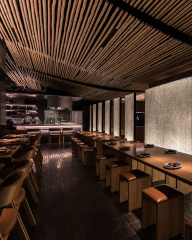
For the Riverlee Meeting Suite project in Melbourne, they used timber battens and natural tones to create an interconnected yet soundproof environment that fosters collaboration. The project demonstrates how natural materials can address technical requirements, in this case acoustic separation, while simultaneously creating warm, inviting spaces that encourage creative interaction. The timber battens provide visual rhythm and texture that soften what could otherwise feel like sterile corporate spaces.
The choice of timber battens reflects understanding of biophilic design principles, bringing natural material presence into commercial environments where occupants spend significant portions of their days. The vertical rhythm created by regularly spaced battens draws the eye upward, creating sense of height and spaciousness while the natural wood grain provides organic visual interest that reduces the psychological fatigue often experienced in monotonous commercial interiors.
The project showcases how acoustic performance and aesthetic quality need not conflict. The timber batten systems provide sound absorption and diffusion while creating the warm, natural aesthetic that research shows improves occupant satisfaction and productivity. For architects designing commercial spaces where acoustic control matters, this project provides valuable precedent for integrating natural materials that deliver both technical and experiential benefits.
How Does Peacock Street by Brave New Eco Reimagine Residential Spaces?
Brave New Eco was born from the creative mind of Megan Norgate, Interior Designer, Permaculture Designer, and Sustainable Design Consultant. With a background in Film Direction and Set Decoration, Megan brings unique perspective to residential design, interested in reinterpreting existing environments and objects in innovative ways. Her multidisciplinary background enables design thinking that transcends conventional categories, drawing inspiration from diverse sources to create spaces that feel simultaneously familiar and unexpected.
Kitchen as Heart of Home
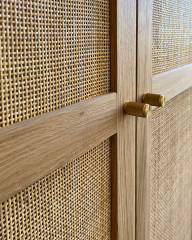
For this extensive renovation in Brunswick West, the whole layout was opened and the kitchen became the focal point of the home, reflecting contemporary living patterns where cooking, dining, and socialising blend into integrated experiences rather than separated activities. We love the addition of slatted cladding throughout the kitchen cabinetry that adds texture and warmth to a room that is often cold and purely functional, transforming utilitarian space into inviting heart of the home.
The slatted cladding demonstrates how relatively simple material interventions can fundamentally change a space's character. Where conventional cabinetry presents flat, featureless surfaces, the slatted approach creates texture, shadow play, and visual interest that rewards continued attention. The natural material brings warmth that synthetic cabinet finishes cannot replicate, while the vertical lines create rhythm that organises the visual field without rigidity.
Sustainable Design Integration
Megan's permaculture and sustainable design background informs every aspect of the project, from material selection through spatial organisation to how the home relates to its site and neighbourhood. The renovation prioritises natural ventilation, daylight optimisation, and material longevity, creating a home that treads lightly while providing generous, comfortable living environments. This holistic approach recognises that truly sustainable design addresses not just energy efficiency or recycled content but how spaces support long-term occupant wellbeing and environmental stewardship.
The project illustrates how sustainability and beauty reinforce rather than compromise each other. The natural materials create beautiful spaces precisely because they're sustainable, bringing authentic material presence that synthetic alternatives cannot match. For homeowners considering renovations, this project demonstrates that environmental responsibility enhances rather than constrains design quality and aesthetic appeal.
What Design Innovation Does The Mod & The Rocker Showcase?
Kate Rogan and Eva Nash combined forces to create Rogan Nash Architects, a practice that aims to beautify life throughout architecture and interior design and to bring dreams to life. Their collaborative approach recognises that the best design emerges from dialogue, where different perspectives and expertise combine to create solutions neither designer could achieve independently.
Creative Material Application
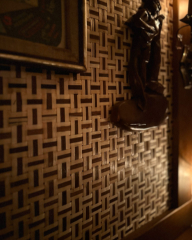
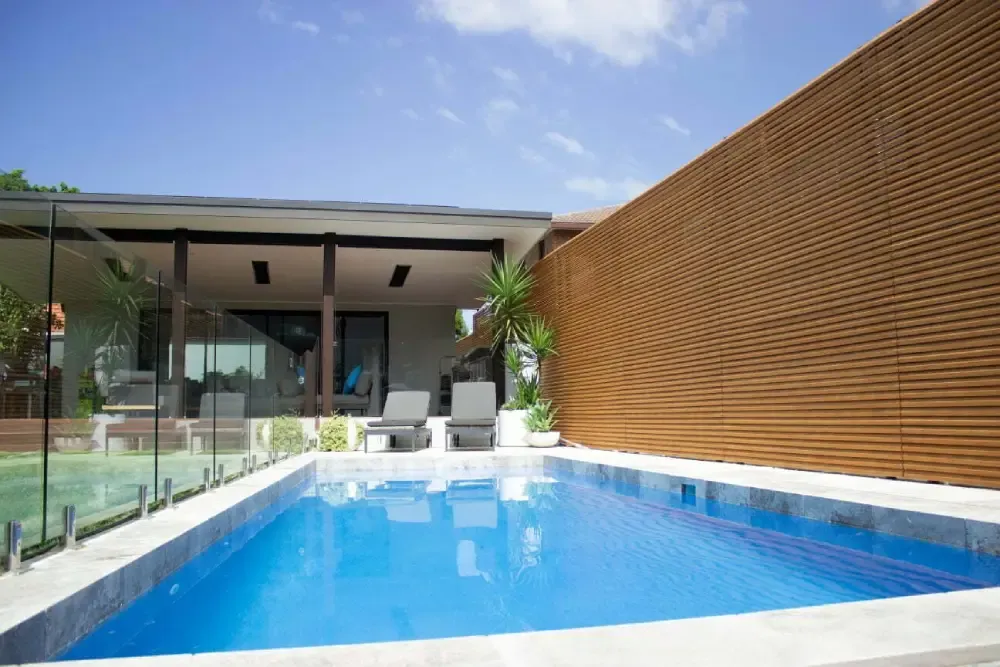
Our favourite feature in this project is the creative use of mismatched timber battens to create a dynamic pool fence and the repetition of the slatted screen theme throughout the home. The mismatched battens transform what could be mundane safety requirement into design feature, demonstrating how regulatory constraints can become opportunities for creative expression rather than limitations to overcome.
The varying batten widths create visual interest and organic rhythm that uniform spacing cannot provide. This apparently simple variation makes the fence feel handcrafted and unique rather than mass-produced, communicating care and attention that elevates the entire project. The irregular pattern also plays beautifully with light, creating complex shadow patterns that change throughout the day as sun angles shift, bringing movement and life to static architectural elements.
Repetition and Design Cohesion
The repetition of the slatted screen theme throughout the home creates visual cohesion that unifies diverse spaces while allowing each room to maintain distinct character. This design strategy demonstrates sophisticated understanding of how repeated elements establish rhythm and order without monotony. The slatted screens appear in different scales, orientations, and contexts, providing consistency through variation rather than through identical reproduction.
For pool compliant fencing applications, this project provides valuable precedent showing how safety requirements can be satisfied while creating distinctive architectural features. Rather than treating the pool fence as necessary evil to be minimised, the design celebrates it as opportunity for creative material expression that enhances rather than detracts from the overall project.
How Does Thirroul House Blend Organic and Contemporary Design?
Lisa Breeze designs homes for and with the people who live in them. Driven by a passion for craft and detail, she reinvents and rejuvenates living spaces through collaborative processes that ensure completed homes genuinely reflect occupant needs and aspirations. Her approach recognises that houses become homes through personal connection and meaningful detail rather than through imposing predetermined aesthetic visions.
Material Warmth Meets Contemporary Expression
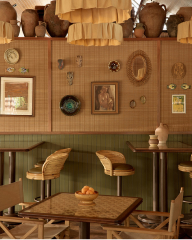
Her Thirroul House renovation is a beautiful example of organic meets contemporary design that mixes natural finishes with bright colours, creating spaces that feel simultaneously grounded and energetic. The natural materials provide warmth and tactile richness while bold colour accents inject personality and joy, demonstrating that biophilic design and vibrant colour expression complement rather than conflict with each other.
The project showcases how natural materials provide neutral foundation that makes colour sing more vibrantly. The warm tones of timber or bamboo create harmonious backdrop against which brighter hues can shine without overwhelming. This relationship between natural material neutrals and accent colours creates spaces with depth and complexity, where eye moves between restful natural surfaces and energising colour moments in engaging rhythm.
Craft and Detail Focus
Lisa's passion for craft and detail manifests in careful joinery, thoughtful material transitions, and refined detailing that elevates everyday experiences. Cabinet hardware receives same attention as major spatial decisions, recognising that quality of life emerges from accumulation of small pleasures as much as grand gestures. This attention to detail creates homes that reward long-term occupancy, revealing new appreciations with continued exposure.
For residential projects seeking to balance natural materials with contemporary lifestyles, Thirroul House provides inspiration showing how traditional craft values can inform contemporary expression. The renovation respects the home's existing character while updating it for contemporary living, demonstrating that preservation and innovation can work together rather than opposing each other.
What Common Threads Unite These Projects?
The star of all these projects is undeniably timber, featured throughout the designs in gorgeous warm accents, from louvres and battens to slatted cladding and screening. This consistent material choice across diverse projects by different designers reflects broader industry recognition of timber's aesthetic and experiential qualities. Natural materials create warmth, texture, and biophilic connection that synthetic alternatives cannot replicate.
The Appeal of Natural Materials in Contemporary Design
Each project demonstrates different approaches to incorporating natural materials, from Studio Tate's acoustic battens through Brave New Eco's textured cabinetry to Rogan Nash's creative fencing and Lisa Breeze's organic-contemporary synthesis. This diversity within consistency shows natural materials' versatility, adapting to varied design intentions while maintaining essential qualities that make them valuable across contexts.
The projects also illustrate how natural materials support sustainable design goals beyond their renewable credentials. The longevity that quality timber and bamboo provide reduces replacement cycles, avoiding the environmental impact of manufacturing and disposing of short-lived materials. The timeless aesthetic quality means spaces age gracefully rather than feeling dated, encouraging preservation rather than demolition and reconstruction.
Acoustic Performance and Visual Warmth
Several projects explicitly leverage natural materials' acoustic properties, recognising that sound quality profoundly affects how we experience spaces. Timber and bamboo naturally absorb sound frequencies that create harsh acoustic environments while reflecting frequencies that support comfortable conversation and pleasant music reproduction. This acoustic performance contributes to spaces feeling comfortable and inviting beyond visual aesthetics alone.
The visual warmth that natural materials provide addresses psychological needs often overlooked in purely functional design thinking. Research consistently shows that natural materials reduce stress, improve mood, and enhance cognitive performance. By incorporating timber generously throughout these projects, the designers create environments that support occupant wellbeing through material selection as much as through spatial planning or programmatic organisation.
What Alternatives Exist When Timber Supply Becomes Challenging?
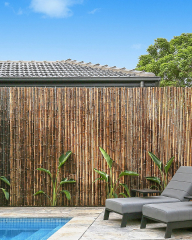
If you like the look of timber but are struggling to find supplies, consider using another natural alternative such as bamboo, which can be used to make battens, beams, cladding, louvres, and more. Bamboo offers similar aesthetic and experiential qualities to timber while providing additional sustainability advantages through its rapid three-to-five-year growth cycle compared to timber's decades-long maturation.
Bamboo as Timber Alternative
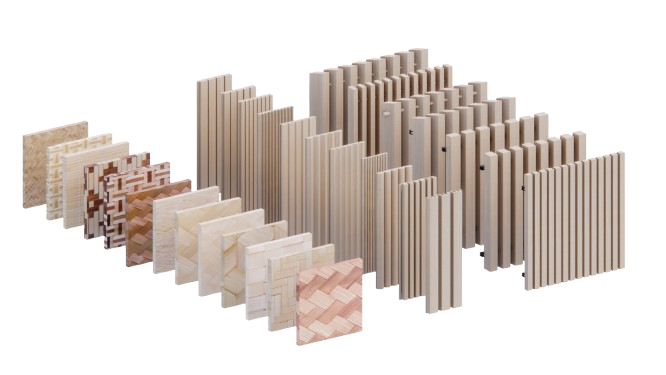
Engineered bamboo products like our SeaChange Series and Symphony Series provide consistent dimensions and predictable performance suitable for the applications showcased in these projects. Bamboo battens create the same visual rhythm and shadow play as timber alternatives while offering superior dimensional stability in variable climates. For projects in coastal environments, bamboo's natural resistance to moisture and salt exposure provides performance advantages over many timber species.
Bamboo flooring delivers the underfoot warmth and tactile pleasure that these projects celebrate while providing hardness that exceeds most timber species, making it suitable for high-traffic commercial and residential applications. The natural grain patterns provide organic visual interest similar to timber while offering unique aesthetic character that distinguishes bamboo applications from conventional timber projects.
Applications Across Project Types
For commercial applications like Studio Tate's meeting suite, bamboo acoustic panels provide sound management while creating the natural material presence that supports biophilic design objectives. The acoustic range products deliver technical performance comparable to specialised acoustic materials while maintaining the warm, natural aesthetic that makes spaces inviting rather than clinical.
In residential contexts like the projects by Brave New Eco, Rogan Nash Architects, and Lisa Breeze, bamboo works beautifully across cabinet cladding, wall and ceiling treatments, fencing and screening, and flooring applications. The material's versatility means it can appear throughout homes in varied applications while maintaining visual cohesion through consistent material character.
How Can You Incorporate Natural Materials in Your Projects?
For architects and designers inspired by these women-led projects and interested in incorporating natural materials, multiple pathways exist for beginning that exploration. Start by identifying applications where natural materials provide both functional and aesthetic benefits. Wall and ceiling cladding creates large-scale natural material presence that fundamentally influences room character. Screening and fencing defines spaces while maintaining visual connection and light flow. Flooring provides tactile connection to natural materials throughout daily activities.
Browse our applications pages to see bamboo's versatility across facades, walls and cladding, ceiling and shading, acoustic treatments, flooring, fencing and screening, and interior applications. Each category demonstrates different ways natural materials can enhance projects while meeting technical requirements. The projects gallery showcases completed works demonstrating real-world performance and aesthetic possibilities across diverse building types and design intentions.
Order samples to evaluate bamboo's qualities for your specific projects. Physical samples reveal textures, colours, and material presence that specifications cannot convey. Examine them in different lighting conditions, consider them at architectural scale, and imagine how they might transform your designs. Contact our team for consultation on incorporating natural materials into your projects, receiving guidance on product selection, application approaches, and detailing strategies.
Celebrating Design Excellence and Material Innovation
These four projects by talented Australian female architects and interior designers demonstrate how natural materials create spaces that enhance human wellbeing while expressing distinctive design visions. From Studio Tate's refined commercial interiors through Brave New Eco's sustainable residential renovation to Rogan Nash's creative material applications and Lisa Breeze's organic-contemporary synthesis, each project shows different facets of what natural materials enable.
As Australia works toward greater gender equity in architecture, celebrating excellent work by female practitioners helps inspire the next generation while demonstrating the value that diverse perspectives bring to the built environment. These designers create spaces that balance beauty and function, sustainability and comfort, innovation and timelessness through thoughtful material selection and careful detailing.
For more information about bamboo timber solutions that can achieve similar aesthetic and performance outcomes to the timber featured in these projects, contact our Design Consultants or explore our comprehensive product range. Create spaces that uplift, inspire, and connect occupants to nature through the simple but profound choice of natural materials.
Would you like to find out which product will meet your expectations?