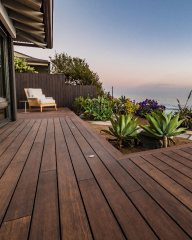
Our Dasso bamboo decking was installed on Squillace Architects' Sydney rooftop space two years ago. Despite being totally exposed to sun and all that rain Sydney throws at outdoor surfaces, it's still strong and beautiful while containing no plastics. You can tell by the lovely silver-grey colour they haven't had to do a thing to it. This real-world performance story demonstrates what busy architects value most: materials that deliver on their promises without demanding constant attention.
.webp?width=2048&quality=80&format=auto)
Our Dasso bamboo decking was installed on Squillace Architects' Sydney rooftop space two years ago. Despite being totally exposed to sun and all that rain Sydney throws at outdoor surfaces, it's still strong and beautiful while containing no plastics. You can tell by the lovely silver-grey colour they haven't had to do a thing to it. This real-world performance story demonstrates what busy architects value most: materials that deliver on their promises without demanding constant attention.
The phrase captures something important about professional practice realities. Architects design projects, hand them over to clients, and move on to the next challenge. They don't have time to nurse high-maintenance materials or field complaints about premature deterioration. Materials that perform reliably without intervention represent ideal specifications, successful relationships requiring minimal ongoing effort.
Squillace Architects' experience exemplifies this ideal. They chose plastic-free bamboo decking and ended with a beautiful aged grey deck that has required literally zero maintenance over two years of harsh Sydney rooftop exposure. No oiling, no sealing, no cleaning beyond occasional rain washing. The deck simply ages gracefully, developing character rather than deterioration, beauty rather than ugliness.
This maintenance-free aging distinguishes natural materials from synthetic alternatives that often look pristine initially but degrade unattractively over time. Composite decking can fade unevenly, develop mildew, or become brittle with UV exposure. Bamboo naturally silvers like premium hardwood decking, developing the patina that many architects and clients find more attractive than the original golden tone.
Rooftop decks represent among the most challenging applications for any building material. The exposure combines multiple degradation factors simultaneously, testing material limits more severely than ground-level applications. Understanding these stresses helps appreciate bamboo's performance achievement.
Rooftops receive maximum solar exposure without the shading that trees, buildings, or landscape features provide at ground level. UV radiation breaks down organic materials, causing fading, surface degradation, and structural weakening over time. Materials unsuited to UV exposure show damage within months, not years, losing colour uniformity and developing surface checking or splitting.
Bamboo's natural density and silicon content provide inherent UV resistance that many softer timbers lack. The material silvers gracefully rather than degrading destructively, maintaining structural integrity even as surface colour evolves. This aging represents weathering rather than deterioration, a crucial distinction for long-term performance.
Sydney's climate delivers intense heat, heavy rain, and dramatic temperature swings that cycle materials through expansion and contraction repeatedly. Materials lacking dimensional stability warp, cup, or split under this cycling stress. The repeated wet-dry cycles particularly challenge materials prone to moisture-related movement.
Engineered bamboo's cross-laminated construction provides exceptional dimensional stability, resisting the movement that plagues some timber species. The deck maintains flat, true surfaces despite two years of Sydney's weather extremes, evidence of manufacturing quality and inherent material characteristics working together.
While Squillace Architects' location isn't directly coastal, Sydney's maritime climate means salt-laden air affects all outdoor materials. Salt accelerates corrosion in metal components and can degrade some materials through hygroscopic effects. Bamboo's natural composition resists salt damage, performing reliably in environments where other materials might show accelerated deterioration.
The emphasis on plastic-free construction addresses growing awareness of composite decking's environmental problems. Many composite products marketed as "eco-friendly" contain substantial plastic content, typically recycled HDPE or PVC combined with wood flour or bamboo fiber. While recycling plastic seems environmentally positive, several concerns emerge with long-term perspective.
Composite decking sheds microplastics as it weathers, contributing to the microplastic pollution increasingly recognised as serious environmental problem. These microscopic plastic particles enter stormwater runoff, eventually reaching waterways and oceans where they persist indefinitely, entering food chains and affecting wildlife health. A deck that sheds microplastics throughout its service life creates ongoing environmental damage despite using recycled content initially.
Natural bamboo decking generates no microplastics. As it weathers, any material loss consists of organic compounds that biodegrade naturally rather than persisting as permanent pollutants. For environmentally conscious architects and clients, this distinction matters significantly when evaluating material sustainability comprehensively rather than superficially.
Composite decking creates disposal challenges at end of life. The mixed material composition prevents recycling, meaning old composite decking typically goes to landfill where the plastic component persists indefinitely. Natural bamboo decking, by contrast, can be repurposed, mulched, or composted, returning organic material to natural cycles rather than creating permanent waste.
This end-of-life consideration reflects genuine circular economy thinking, considering material lifecycle comprehensively rather than stopping analysis at initial installation. Materials truly sustainable across their entire existence rather than claiming sustainability based solely on manufacturing inputs.
Beyond environmental considerations, plastic-free bamboo provides authentic natural material experience that composites cannot match. The tactile quality, the way natural materials age, the subtle variations in grain and colour—these experiential qualities matter to architects designing spaces people genuinely enjoy rather than merely tolerate.
The silver-grey patina developing on Squillace Architects' deck represents natural aging that many find more attractive than the original finish. This graceful aging gives spaces character and history, visual evidence of time passing that connects buildings to natural cycles rather than attempting to freeze appearance permanently.
Two years of zero-maintenance performance in harsh rooftop exposure provides meaningful comparison data against alternatives architects might specify for similar applications.
Premium hardwood decking typically requires annual or biennial oiling to maintain appearance and weather resistance. This maintenance represents ongoing cost and coordination hassle, particularly for commercial or multi-unit residential buildings where organizing maintenance requires planning, budgeting, and occupant coordination. Materials eliminating this maintenance save money and hassle over their service lives.
Some timber species, particularly softer options, show visible deterioration within two years without maintenance. Surface checking, color fading, and dimensional movement create appearance and performance issues demanding intervention. Bamboo's stability and durability avoid these problems entirely.
Composite decking marketing emphasizes low maintenance and durability, promising carefree ownership. Reality often disappoints. Many composites fade unevenly, particularly first-generation products. Surface mildew requires periodic cleaning. Some products become brittle with age, developing cracks or splits that compromise both appearance and safety.
The "low maintenance" promise applies more accurately to bamboo, which genuinely requires nothing beyond occasional sweeping and allows rain to provide natural cleaning. The material's density resists mildew growth, and its dimensional stability prevents the warping or cupping that creates trip hazards in poorly performing decking.
For busy architectural practices juggling multiple projects and competing demands, materials requiring minimal ongoing attention represent significant value beyond initial cost considerations. Time spent managing material failures, coordinating maintenance, or addressing client complaints about poor performance drains resources from revenue-generating design work.
Materials like bamboo that simply perform reliably without drama allow architects to maintain positive client relationships without ongoing maintenance discussions. The "lazy" relationship means the specification fades into the background, noticed only when someone remarks how well the deck has aged—exactly the outcome architects prefer.
Understanding the engineering behind bamboo decking's performance helps architects specify confidently rather than hoping materials work as marketed. Several characteristics combine to deliver the reliable, low-maintenance performance Squillace Architects experienced.
Dasso strand-woven bamboo decking achieves Janka hardness ratings approximately twice that of many popular hardwood species. This extreme hardness resists surface wear, denting, and the micro-checking that allows moisture penetration in softer materials. The density also contributes to dimensional stability, as denser materials generally exhibit less movement with moisture changes.
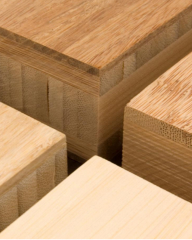
The manufacturing process creates cross-laminated structure where bamboo fibers orient in multiple directions, similar to plywood's strength advantage over solid wood. This cross-lamination resists warping, cupping, and twisting forces that can deform solid materials. The result is decking that maintains flat, true surfaces despite variable moisture exposure and temperature cycling.
Bamboo contains natural silicon that contributes to weather resistance and pest resistance. This inherent characteristic provides protection without chemical treatments, addressing both performance and health/environmental concerns. Materials requiring chemical preservatives raise questions about long-term environmental impact and potential health effects; bamboo's natural durability avoids these concerns.
The manufacturing process includes moisture stabilization steps that reduce bamboo's natural hygroscopic tendency. While no wood product should be continuously wet, properly manufactured bamboo decking tolerates occasional moisture exposure without the swelling, warping, or rot that destroy lesser materials. This moisture tolerance proves crucial for outdoor applications experiencing rain, morning dew, and occasional pooling water.
Squillace Architects' success with bamboo decking isn't unique or lucky but reflects proper product selection and installation for the application. Several factors contribute to achieving similar performance outcomes in other projects.
Not all bamboo decking performs identically. Strand-woven products like Dasso offer superior density and durability compared to edge-grain or flat-grain bamboo flooring products sometimes inappropriately used outdoors. Working with experienced suppliers ensures product specifications match application demands rather than discovering incompatibility after installation.
Even excellent materials fail when improperly installed. Adequate substructure support, proper fastening methods, appropriate spacing for drainage and expansion, and correct flashing details all affect long-term performance. Our installation guidelines address these factors comprehensively, and our technical team provides project-specific guidance ensuring successful outcomes.
Understanding that natural materials age and change appearance helps set appropriate expectations. Clients expecting decking to maintain its original golden color indefinitely will be disappointed regardless of material choice. Those understanding and appreciating natural silvering as desirable patina will find bamboo decking deeply satisfying.
While Squillace Architects' rooftop installation demonstrates performance under harsh conditions, bamboo decking works beautifully across diverse applications, each benefiting from the same characteristics proving successful in demanding rooftop exposure.
Ground-level residential decks experience less severe exposure but benefit from bamboo's hardness resisting furniture scuffing, pet claw damage, and general wear from family use. The natural warmth underfoot makes bamboo particularly pleasant for bare feet, important for Australian indoor-outdoor living where people transition frequently between interior and exterior spaces.
Commercial applications including hospitality venues, retail outdoor spaces, and institutional courtyards benefit from bamboo's durability and low maintenance. High foot traffic and limited maintenance budgets make reliable materials essential. The attractive aging maintains appearance without intervention, avoiding the shabby deterioration that undermines venue quality over time.
Pool surrounds and wet areas demonstrate bamboo's moisture tolerance while providing naturally slip-resistant surfaces safer than some alternatives. The material doesn't become dangerously slippery when wet, important for areas where safety concerns arise with moisture presence.
Squillace Architects' two-year success story with zero maintenance and beautiful aging demonstrates what architects value most: reliable materials performing as promised without ongoing attention demands. The lovely silver-grey patina developing naturally represents graceful aging rather than deterioration, beauty evolving rather than beauty lost.
For architects considering bamboo decking for rooftop, ground-level, or specialty applications, visit our Sydney or Brisbane showrooms to see and feel the material yourself. Order samples for project evaluation. Contact our technical team for application-specific guidance ensuring proper product selection and installation details.
Review our projects gallery for additional bamboo decking examples across varied applications and contexts. Speak with architects who've specified bamboo about their experiences and client satisfaction. Build confidence through evidence rather than marketing claims.
The "lazy love affair" awaits: specify bamboo decking, install it properly, and enjoy years of beautiful, reliable performance requiring nothing from you except occasional appreciation of how well it ages. That's a relationship worth pursuing.