Balinese design has captured the imagination of architects and homeowners worldwide, offering a serene alternative to contemporary minimalism and traditional formality. This sought-after aesthetic achieves something rare in interior design—it creates spaces that feel both luxurious and calming, sophisticated yet deeply connected to nature. At the heart of this style lies bamboo, the material that defines Bali's architectural identity and makes its distinctive indoor-outdoor living possible.

Balinese design has captured the imagination of architects and homeowners worldwide, offering a serene alternative to contemporary minimalism and traditional formality. This sought-after aesthetic achieves something rare in interior design—it creates spaces that feel both luxurious and calming, sophisticated yet deeply connected to nature. At the heart of this style lies bamboo, the material that defines Bali's architectural identity and makes its distinctive indoor-outdoor living possible.
Balinese style represents more than a collection of decorative choices. It embodies a design philosophy rooted in harmony between built structures and natural surroundings, informed by centuries of tropical living and Balinese Hindu spiritual traditions.
Balinese design emerged from practical responses to tropical climate and spiritual beliefs about balance. The concept of Tri Hita Karana—harmony between humans, nature, and the divine—shapes every aspect of traditional Balinese architecture and interior design.
This philosophy manifests through open-plan layouts that dissolve boundaries between inside and outside. Large openings maximize cross-ventilation. Natural materials predominate over synthetic ones. Spaces feel expansive yet intimate, airy yet protected.
The aesthetic avoids stark minimalism. Instead, it embraces organic textures, handcrafted details, and materials that age gracefully. This creates environments that feel lived-in and welcoming rather than museum-like or overly precious.
Bamboo forms the foundation of authentic Balinese style, but the aesthetic incorporates complementary natural materials that reinforce tropical warmth. Stone—particularly volcanic stone and river rock—provides grounding weight that balances bamboo's lightness.
Rattan and woven materials add textural complexity through their intricate patterns. Timber plays a supporting role, often in darker tropical hardwoods that create visual richness without heaviness. Water features frequently appear, adding movement and sound that enhance the sensory experience.
The material palette emphasizes neutral earth tones—sandy beiges, warm browns, deep charcoals, and verdant greens. These colors reference the Balinese landscape: volcanic beaches, rice terraces, jungle vegetation, and weathered stone temples. This restrained approach creates calm rather than visual excitement.
Bamboo's dominance in Balinese design stems from both practical availability and inherent material qualities that perfectly suit tropical living. Understanding this relationship helps achieve authentic results rather than superficial interpretation.
As the world's sixth-largest bamboo producer, Bali has developed exceptional expertise in bamboo cultivation, processing, and craftsmanship. The island excels particularly in producing sturdy bamboo poles suitable for structural applications and handcrafted woven panels that showcase traditional techniques.
This deep material knowledge means Balinese artisans understand how to select, treat, and work bamboo to maximize its natural properties. They know which species suit different applications, how to harvest at optimal maturity, and which traditional preservation methods ensure longevity.
Balinese bamboo craftsmanship represents generations of accumulated knowledge. Techniques for splitting bamboo into precise strips, weaving intricate patterns, and joining poles without metal fasteners have been refined over centuries. This craftsmanship tradition continues today, making authentic Balinese products distinctly superior to mass-produced alternatives.
Bamboo's physical characteristics align perfectly with tropical design requirements. The material's natural hollow structure creates inherent thermal insulation, helping regulate interior temperatures in hot climates. This natural cooling capacity reduces reliance on mechanical air conditioning.
Bamboo's tensile strength allows it to span distances without heavy supporting structures. This enables the open, airy spaces characteristic of Balinese design—large rooms with minimal visual obstruction, high ceilings that promote air circulation, and expansive openings that connect to outdoor areas.
The material's natural flexibility provides resilience in seismic activity, which matters in Indonesia's earthquake-prone regions. This same flexibility creates acoustic properties that absorb and diffuse sound, contributing to the peaceful ambiance Balinese interiors are known for.
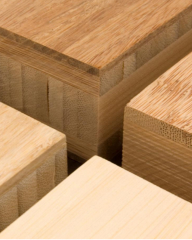
Visually, bamboo's organic grain patterns, node rings, and natural color variations prevent the monotony that can occur with uniform manufactured materials. Each piece contributes individual character while maintaining overall aesthetic cohesion. This organic variation adds warmth and authenticity that manufactured materials cannot replicate.
Ceilings represent one of the most impactful yet frequently overlooked opportunities in interior design. Balinese style recognizes this potential, transforming overhead planes from neutral backgrounds into defining architectural features.
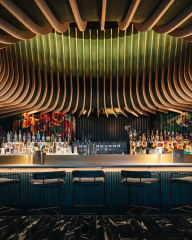
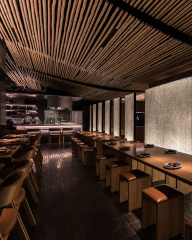
Bamboo poles installed on ceilings create powerful visual impact through their linear geometry and natural texture. When arranged parallel across a ceiling plane, poles establish strong directional emphasis that can make spaces feel longer, guide movement patterns, or draw attention toward focal points.
The dimensional depth of bamboo poles—projecting below the ceiling surface rather than lying flat—creates shadow lines that change throughout the day as natural light shifts. This dynamic quality prevents static appearance, ensuring the ceiling remains visually engaging.
Pole diameter selection significantly affects the overall impression. Larger diameter poles (60-100mm) create bold, architectural statements suited to spacious rooms with high ceilings. Medium poles (40-60mm) work effectively in standard residential ceiling heights. Smaller poles (20-40mm) provide texture without overwhelming more intimate spaces.
Color treatment offers further design control. Natural bamboo maintains warm honey tones that brighten spaces. Heat-treated bamboo develops rich caramelized coloring that adds visual weight and sophistication. For contemporary interpretations, bamboo poles can be stained or finished to coordinate with broader color schemes while retaining their textural character.
House of Bamboo's Poles and Bamboo range includes structural-grade poles suitable for ceiling applications, with guidance available on appropriate sizing, spacing, and installation methods for different ceiling types and spans.
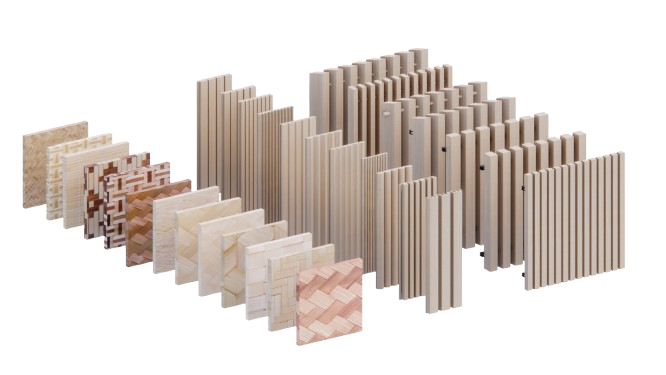
Woven bamboo panels introduce a different aesthetic quality—less about bold linear geometry and more about intricate surface texture and pattern. These handcrafted panels feature bamboo strips woven in various configurations, from simple parallel arrangements to complex geometric patterns.
The weaving process creates subtle dimensional variation across the panel surface. Individual strips sit at slightly different planes, catching light differently and creating visual depth that flat surfaces cannot achieve. This textural richness adds sophistication without requiring ornate decoration or applied pattern.
Combining bamboo poles with woven panels creates sophisticated layering. Poles might form the primary ceiling structure, with woven panels inserted between them to create defined zones or add textural contrast. Alternatively, panels might cover the main ceiling plane while poles create borders, beams, or coffers that add architectural definition.
This combination approach—structural poles plus textural panels—exemplifies the Balinese design principle of blending utilitarian function with aesthetic refinement. The ceiling doesn't just exist overhead; it actively contributes to the room's character and ambiance.
For residential applications, woven bamboo ceiling panels particularly suit living areas, bedrooms, and covered outdoor spaces where the textured surface creates visual interest without cluttering. In commercial contexts, restaurants, spas, and boutique hotels use bamboo ceilings to establish tropical resort atmosphere that differentiates them from conventional commercial interiors.
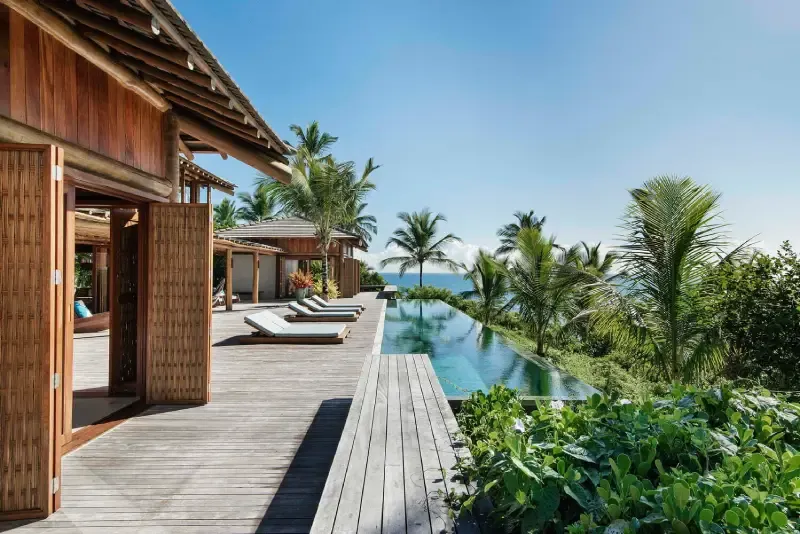
While ceilings create overhead interest, walls form the primary surfaces that surround and define interior spaces. Balinese design approaches walls as opportunities to introduce natural materials and textures that transform standard rooms into distinctive environments.
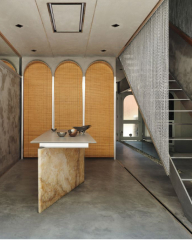
Woven bamboo wall panels create immediate visual warmth that painted or wallpapered surfaces cannot match. The natural material introduces organic variation—subtle color shifts, textural complexity, and authentic craftsmanship that resonates on an instinctive level.
Full-wall installations make the strongest impact, particularly in rooms where Balinese aesthetic should dominate. Bedrooms benefit enormously from woven bamboo walls, which create cocoon-like serenity conducive to rest. The material's acoustic properties absorb sound, reducing noise transmission and creating quieter sleeping environments.
Feature wall applications offer a more measured approach, introducing Balinese character without complete commitment. A single bamboo-clad wall—perhaps behind a bed, seating area, or dining table—establishes the design direction while allowing other walls to remain simpler.
This technique works effectively in homes that blend multiple style influences rather than fully committing to one aesthetic. The handcrafted nature of woven panels means each installation contributes unique character.
Unlike manufactured materials where uniformity is the goal, traditional bamboo weaving celebrates subtle irregularities that prove human craftsmanship. These imperfections—slight variations in strip width, natural color shifts, occasional organic markings—add authenticity that mass-produced alternatives cannot replicate.
The perceived luxury in Balinese interiors doesn't derive from expensive finishes or precious materials. Instead, it emerges from thoughtful material combinations and craftsmanship quality. Woven bamboo walls pair beautifully with natural stone floors, creating textural dialogue between smooth and rough, cool and warm.
When combined with carefully selected furnishings in natural materials—teak wood, rattan seating, linen textiles—bamboo-clad walls become part of a cohesive material story. The space feels intentionally composed rather than arbitrarily decorated, with each element supporting the overall aesthetic narrative.
Lighting design dramatically affects how bamboo walls perform. Direct lighting creates harsh shadows that can appear busy or chaotic. Indirect or diffused lighting reveals the material's texture while maintaining visual calm. Uplighting emphasizes the ceiling, creating ambient glow that makes spaces feel larger and more open—a hallmark of Balinese design.
House of Bamboo's range of woven bamboo panels includes various weave patterns and strip widths suited to different aesthetic preferences and installation contexts. Our Ceiling Treatments and Wall Cladding application pages demonstrate how these materials transform standard interior surfaces into distinctive design features.
One of the greatest challenges in contemporary residential design involves maintaining privacy while preserving natural light and views. Balinese design offers elegant solutions through semi-transparent screening that filters rather than blocks.
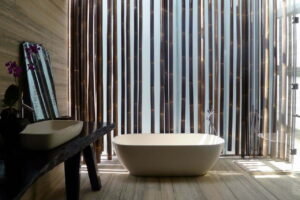
Vertically installed bamboo poles create privacy screens that maintain visual interest and light penetration. Unlike solid walls that completely separate spaces, pole screens define zones while preserving spatial flow and visual connection.
The spacing between poles determines privacy level and light transmission. Tight spacing creates more complete visual barriers suitable for bedrooms or bathrooms. Wider spacing maintains openness while providing moderate screening for living areas or transitional spaces.
Bamboo pole screens work particularly effectively in open-plan homes where some spatial definition improves functionality without sacrificing the sense of spaciousness. A pole screen might separate living and dining areas, define an entry zone, or create a subtle boundary between indoor and outdoor spaces.
The linear geometry of pole screens introduces architectural rhythm—the regular repetition of vertical elements creates visual order that feels calm rather than chaotic. This rhythmic quality contributes to the serene atmosphere Balinese interiors are known for.
From a practical perspective, pole screens allow air circulation while providing privacy—essential in tropical climates where natural ventilation reduces cooling costs and improves comfort. The screens also create interesting shadow patterns as sunlight moves across them, adding dynamic visual interest throughout the day.
Modern homes increasingly favor open-plan layouts that maximize space efficiency and create flexibility. However, completely open spaces can feel exposed or undefined. Balinese-style bamboo screening offers middle-ground solutions that preserve openness while creating intimate zones.
A bamboo pole screen might partially enclose a reading nook, meditation corner, or home office within a larger room. The screening provides psychological separation and visual definition without requiring permanent walls. This approach particularly suits rental properties where structural modifications aren't permitted, or homes where spatial flexibility matters.
The natural aesthetic of bamboo screening ensures these dividers feel like intentional design features rather than makeshift partitions. They contribute to the room's character while serving practical zoning functions.
Balinese design evolved in response to tropical climate—intense sun, high humidity, and year-round warmth. The screening solutions developed for these conditions prove equally valuable in Australian contexts where sun control and natural ventilation improve comfort and reduce energy consumption.
Bamboo blinds represent the most versatile climate control solution in the Balinese design toolkit. These adjustable screens allow occupants to respond dynamically to changing conditions throughout the day and across seasons.
During morning hours, blinds can remain raised to admit natural light and maintain views. As the day heats up and sun becomes intense, lowering blinds reduces heat gain while maintaining airflow. The natural spacing between bamboo elements allows air circulation even when blinds are fully deployed—a critical advantage over solid barriers that trap heat.
The adjustability of bamboo blinds also addresses privacy needs that fluctuate throughout the day. You might desire openness during daytime when neighboring properties are empty, then prefer privacy during evening when lights are on inside. Bamboo blinds accommodate both requirements without permanent modifications.
The filtered light created by bamboo blinds differs fundamentally from light blocked by solid blinds or curtains. Rather than creating darkness, bamboo filters create dappled illumination—bright enough to see clearly but gentle enough to prevent glare and reduce heat gain.
This filtered light quality contributes significantly to the calm ambiance characteristic of Balinese interiors. The soft, even illumination reduces visual stress while maintaining connection to outdoor conditions and time of day. Rooms feel naturally lit rather than artificially dimmed.
From a thermal perspective, bamboo blinds create a buffer zone between intense outdoor sun and interior spaces. This air gap provides insulation that reduces cooling loads. The natural material absorbs and slowly releases heat rather than conducting it rapidly inward like metal blinds.
House of Bamboo's Bamboo Blinds and Shading range includes options for various installation contexts—from protected verandahs to exposed windows—with appropriate treatments to ensure durability in different exposure conditions. The adjustable nature makes them suitable for any room where environmental control and aesthetic quality both matter.
While Balinese design emerged in Indonesian tropical context, its principles and materials translate beautifully to Australian conditions. The key lies in thoughtful adaptation rather than literal copying.
Australian climates vary dramatically from tropical Queensland to temperate southern states. Balinese design principles require adjustment based on local conditions. In northern Australian locations with year-round warmth and high humidity, full Balinese approaches work naturally—maximum openness, extensive natural ventilation, and materials that manage moisture effectively.
In southern regions with cooler winters, selective application proves more appropriate. Balinese materials and aesthetics might dominate indoor-outdoor transition zones like covered patios and sunrooms, while interior spaces incorporate Balinese elements more selectively—feature walls, ceiling treatments, or decorative screens rather than whole-room applications.
The key is maintaining the spirit of Balinese design—natural materials, handcrafted quality, connection to nature, serene atmosphere—while adapting the intensity to suit local climate and lifestyle. A Melbourne home might use bamboo ceiling treatments and selected wall panels rather than the comprehensive bamboo envelopment appropriate in a Cairns residence.
Different bamboo products suit different applications within Balinese-inspired spaces. Structural-grade bamboo poles work for ceilings, room dividers, and pergolas. Woven bamboo panels suit walls, ceiling inserts, and decorative applications. Bamboo blinds handle windows, verandahs, and transitional spaces. Rattan cane webbing can be incorporated into furniture, cabinet doors, or decorative panels.
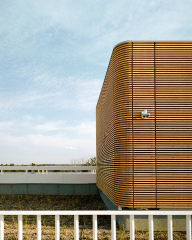
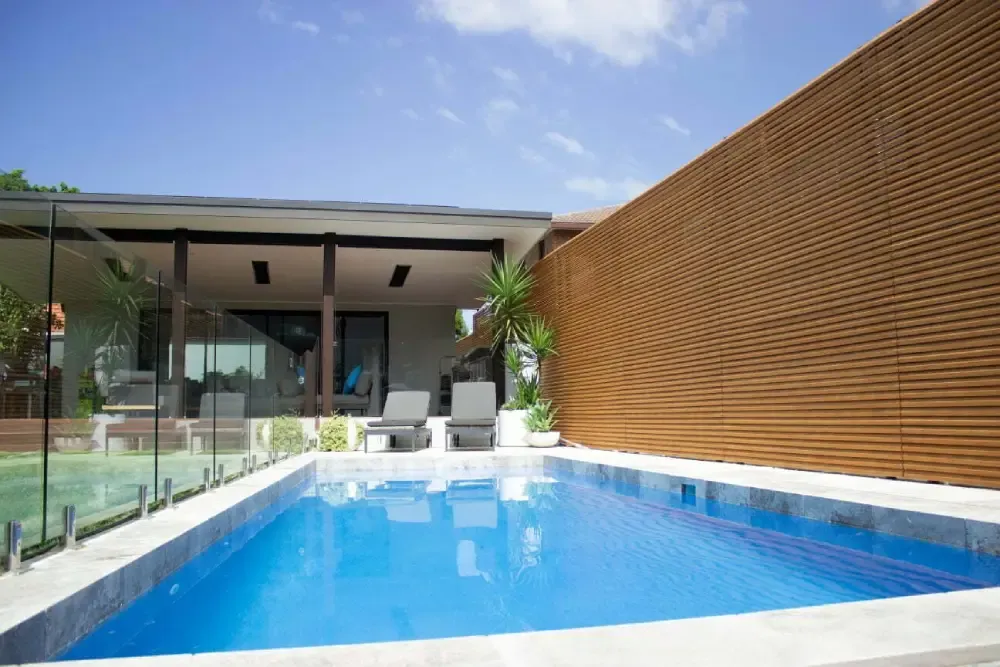
The Facades and Wall Cladding applications demonstrate how bamboo translates to exterior contexts, creating tropical resort atmosphere for outdoor living areas. Interior Decor applications show how bamboo integrates into residential and commercial interior projects.
For design professionals, House of Bamboo offers CPD-accredited training covering bamboo material properties, specification guidelines, and design applications. This ensures architects and interior designers can confidently incorporate bamboo into projects while understanding performance characteristics and installation requirements.
Balinese style offers Australian homeowners and design professionals a proven approach to creating serene, naturally beautiful interiors. The aesthetic's emphasis on natural materials, handcrafted quality, and indoor-outdoor connection aligns perfectly with contemporary desires for sustainable design and biophilic spaces that support wellbeing.
The bamboo products central to Balinese style—structural poles, woven panels, adjustable blinds, and rattan materials—all come from Bali's centuries-old bamboo craftsmanship tradition. This authentic sourcing ensures quality and character that manufactured alternatives cannot replicate.
Whether undertaking a complete tropical transformation or introducing selective Balinese elements into existing spaces, bamboo provides versatile options that work at any scale. A single woven panel feature wall can shift a room's atmosphere. A bamboo-clad ceiling transforms an ordinary space into something distinctive. Room-dividing pole screens add architectural interest while improving functionality.
House of Bamboo maintains comprehensive ranges across all bamboo product categories discussed here. Our Ceiling Treatments, Wall Cladding, Fencing and Screening, and Bamboo Blinds pages provide detailed specifications for specific products. For projects requiring material evaluation, our Order Samples service allows you to experience bamboo quality, texture, and color variations before making final selections.
Design professionals can access our technical specifications and installation guidelines to ensure projects meet both aesthetic aspirations and performance requirements. Our design consultation team offers support from concept through installation, helping translate Balinese design principles into successful Australian projects.
The calming, tropical sophistication of Balinese style remains as relevant today as when these design traditions first developed. By incorporating authentic bamboo materials and honoring the philosophy behind the aesthetic, you can create spaces that feel both exotic and welcoming—sophisticated retreats that maintain genuine connection to nature.