Explore Three Distinct Bamboo Collections for Every Design Style
Natural materials often tend to evoke exotic or organic designs, but in reality, they suit a wide range of styles from Santorini and French Provincial to mid-century modern and Scandinavian minimalism. This versatility is why we've organised our products into three distinct collections: Contemporary, Textured, and Organic. Each collection serves different design intentions while maintaining the environmental and performance benefits that make bamboo increasingly specified across Australian architecture.
Natural materials often tend to evoke exotic or organic designs, but in reality, they suit a wide range of styles from Santorini and French Provincial to mid-century modern and Scandinavian minimalism. This versatility is why we've organised our products into three distinct collections: Contemporary, Textured, and Organic. Each collection serves different design intentions while maintaining the environmental and performance benefits that make bamboo increasingly specified across Australian architecture.
Importance of Material Organisation for Designers
Defining the Contemporary Collection
Characterising the Textured Collection
Comprising the Organic Collection
Collections Working Together in Projects
Practical Steps for Effective Product Selection
Showroom Visits Enhancing Understanding
Value of Organised Collections in the Industry
Products Aligned with Your Design Vision
Share this post:
Importance of Material Organisation for Designers
Defining the Contemporary Collection
Characterising the Textured Collection
Comprising the Organic Collection
Collections Working Together in Projects
Practical Steps for Effective Product Selection
Showroom Visits Enhancing Understanding
Value of Organised Collections in the Industry
Products Aligned with Your Design Vision
Why Does Material Organisation Matter for Designers?
Architects and designers approach projects with varied aesthetic intentions, functional requirements, and client preferences. A coastal resort requires different material expressions than a corporate office, just as a heritage renovation demands different approaches than new contemporary construction. By organising bamboo products into distinct collections based on manufacturing approach and aesthetic character, we help designers quickly identify solutions aligned with their project direction.
This organisation also addresses a common misconception: that bamboo works only for tropical, Asian-inspired, or rustic designs. While bamboo certainly excels in those contexts, engineered bamboo systems perform beautifully in sleek contemporary architecture, handcrafted bamboo panels suit warm traditional interiors, and natural bamboo poles adapt to diverse landscape styles. Understanding which collection serves which design intention helps architects specify confidently rather than struggling to imagine how bamboo might work in their particular context.
What Defines the Contemporary Collection?
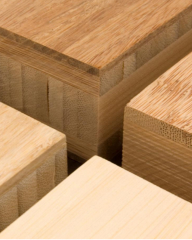
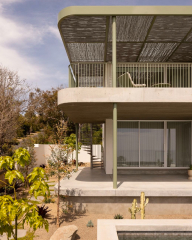
Far from its original tubular shape, bamboo can now be engineered into timber-like products that outperform most timbers in key performance metrics including dimensional stability, hardness, and moisture resistance. Our Symphony Series and SeaChange Series exemplify this transformation with their range of slatted cladding and screens, suitable for indoor and outdoor fencing, shading, cladding, and screening applications across residential, commercial, and institutional projects.
Engineering Process and Performance Benefits
The Contemporary Collection represents sophisticated manufacturing that transforms raw bamboo culms into precision-dimensioned building products. The process begins with carefully selected bamboo harvested at optimal maturity, typically three to five years old. The culms are split, planed into strips, and laminated under controlled pressure and temperature, creating composite materials with consistent properties and predictable performance.
This engineering eliminates the dimensional instability that can plague natural materials. While solid timber expands and contracts with moisture changes, potentially causing warping, cupping, or splitting, engineered bamboo's cross-laminated structure resists movement. This stability proves particularly valuable in Australia's variable climate, where coastal humidity, inland aridity, and temperature extremes challenge building materials.
The hardness of strand-woven bamboo products exceeds most hardwood species, making them suitable for high-traffic flooring applications and durable exterior cladding. The material's density also contributes to structural strength, allowing relatively thin sections to span distances requiring thicker timber members.
Design Flexibility and Application Range
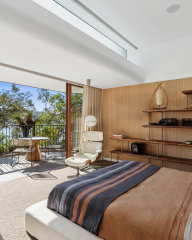
The Contemporary Collection suits projects seeking clean lines, consistent aesthetic, and modern material expression. The precision-manufactured products integrate seamlessly with glass, steel, and masonry in contemporary compositions while providing the warmth and biophilic benefits of natural materials. Architects working on minimalist residential projects, corporate offices, retail environments, or institutional buildings find the collection's refined aesthetic appropriate for contexts where rustic or handcrafted materials might feel misplaced.
SeaChange Series products specifically address coastal applications, where salt exposure, UV radiation, and moisture cycling create demanding conditions. The series has proven performance in Australia's harshest coastal environments, from tropical Queensland to temperate Tasmania, demonstrating long-term durability that justifies specification confidence.
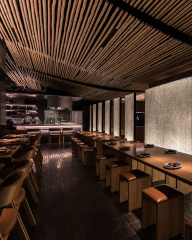
Symphony Series products offer versatility across interior and exterior applications, from facade systems and privacy screens to interior feature walls and ceiling treatments. The modular nature of these systems supports prefabrication and efficient installation, reducing on-site labour while ensuring consistent quality.
What Characterises the Textured Collection?
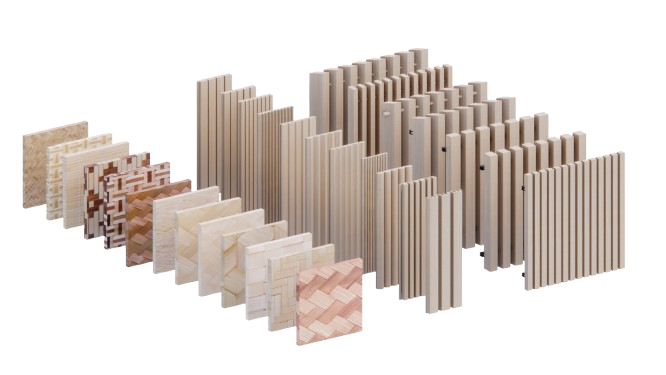
Bamboo poles might have the tensile strength of steel in compression, but their outer skin can be split and woven into intricate and textured panels, perfect for joinery and cladding applications where tactile richness and handcrafted quality enhance design character. This collection celebrates traditional craft techniques adapted to contemporary architectural applications.
Traditional Craft Meets Modern Application
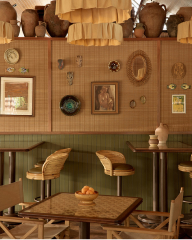
Similarly to bamboo, rattan is a naturally renewable plant that grows in the tropical regions of Africa, Asia, and Australasia. It can be woven into the very popular cane webbing you often see in furniture, cabinetry, and walls, bringing organic texture and visual warmth to interiors. The weaving process is labour-intensive, requiring skilled artisans who understand material behaviour and pattern development. This handcrafted quality gives the Textured Collection distinctive character that mass-produced materials cannot replicate.
Our woven bamboo panels and rattan ranges are the richest in Australia, with more than 15 designs to choose from. This variety allows designers to select patterns matching their project's specific aesthetic direction, from tight geometric weaves suited to minimalist interiors through to more organic, irregular patterns that emphasise natural character. Each pattern creates different visual and tactile experiences while offering varying degrees of transparency for light filtering and spatial separation.
Practical Considerations and Best Applications
The Textured Collection works beautifully in applications where material presence matters more than structural performance. Cabinet door inserts using rattan cane webbing transform ordinary joinery into distinctive features while maintaining sight lines into storage. Room dividers and screens using woven bamboo panels create spatial definition without the visual heaviness of solid walls, allowing light to filter through while providing privacy.
Interior wall cladding using textured panels adds depth and tactile interest to otherwise flat surfaces. The three-dimensional quality of woven patterns creates shadow play that changes throughout the day as lighting angles shift, bringing movement and life to static architectural elements. This dynamic quality makes textured bamboo particularly effective in hospitality environments, where creating memorable sensory experiences distinguishes successful venues.
The collection's products also perform well in acoustic applications. The irregular surfaces and semi-open weave patterns scatter sound waves, reducing harsh reflections that create uncomfortable acoustic environments. While not providing the targeted acoustic absorption of purpose-designed acoustic panels, textured bamboo products contribute to overall acoustic comfort in spaces where sound quality matters.
What Comprises the Organic Collection?
Last but not least, the Organic Collection gathers all the essential bamboo products you know and love, such as bamboo poles, bamboo screens, and the lesser-known Natureed. This collection represents bamboo in its most authentic form, minimally processed to preserve natural character while providing practical building and landscape solutions.
Natural Bamboo Poles and Their Applications
Bamboo poles remain the most recognisable form of the material, instantly communicating natural character and biophilic connection. Available in various diameters, lengths, and finishes, poles suit diverse applications from garden features and landscape structures to interior accent walls and ceiling treatments. The natural variation in colour, node spacing, and diameter gives each pole unique character, creating installations that feel organic and handcrafted rather than manufactured.
Structural applications using bamboo poles require understanding the material's specific characteristics. Unlike engineered products with consistent properties throughout, natural poles vary in strength based on diameter, wall thickness, species, and growth conditions. Architects specifying structural pole applications should work with engineers familiar with bamboo's properties to ensure appropriate sizing and connection details.
Bamboo screens assembled from poles provide privacy, wind protection, and visual interest in landscape applications. The semi-transparent quality maintains visual connection to surroundings while defining spaces and creating intimacy. Unlike solid fences that create complete barriers, bamboo screens modulate rather than eliminate views, supporting biophilic design principles that value connection to nature.
Natureed: A Proprietary Innovation
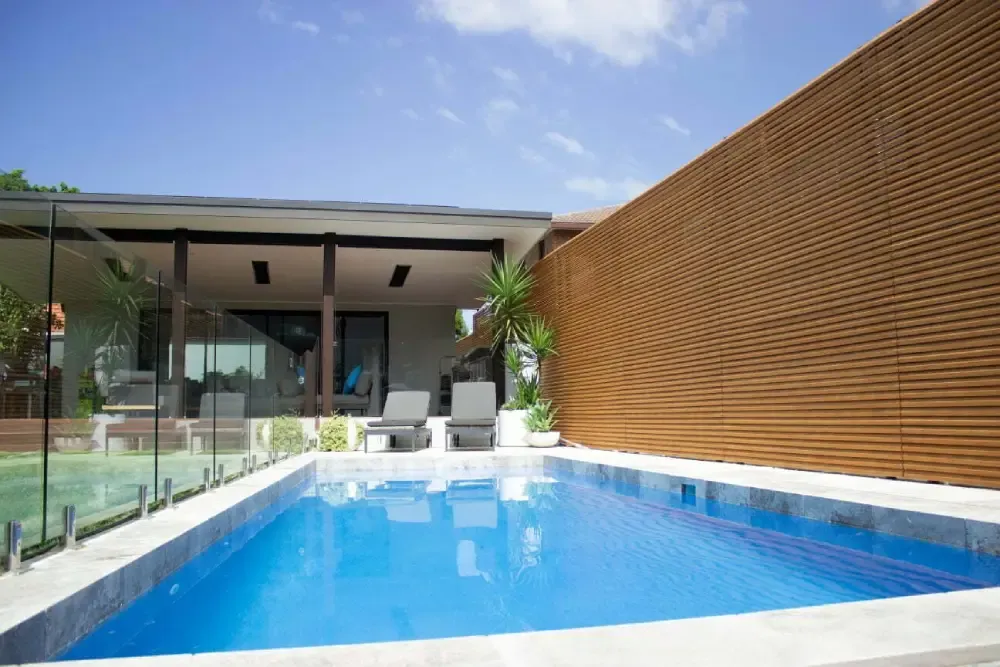
Natureed is a trademarked product exclusive to House of Bamboo that contains up to 50% more reed content than similar products on the market, making it a very durable and weather-resistant fencing, screening, and shading solution. This increased reed density improves both performance and longevity compared to lightweight alternatives that may use more wire than natural material.
The product addresses a specific market need: cost-effective natural fencing that provides privacy and visual interest without requiring the investment of solid bamboo or timber fencing. Natureed works particularly well for temporary installations, rental properties, or situations where budget constraints limit material options. The natural aesthetic still delivers biophilic benefits and visual warmth despite the more economical price point.
Weather resistance proves crucial for outdoor screening products exposed to rain, wind, and UV radiation. Natureed's construction method and increased material density help it withstand environmental exposure better than minimally constructed alternatives that may deteriorate within a few years. While all natural outdoor products require eventual replacement, Natureed provides extended service life that justifies its specification for long-term installations.
How Do These Collections Work Together in Projects?
Understanding the three collections helps designers recognise that bamboo isn't a single material solution but a family of products serving different functions and aesthetic intentions. Successful projects often combine products from multiple collections, using each where its specific characteristics provide optimal value.
A contemporary residential project might use SeaChange Series cladding for exterior facades, providing weather resistance and modern aesthetic. Interior spaces could incorporate rattan cane webbing in kitchen cabinetry, adding tactile warmth and visual interest. The landscape might feature natural bamboo poles creating privacy screens or water feature surrounds, reinforcing biophilic connection. This layered approach uses bamboo comprehensively while respecting that different applications benefit from different product characteristics.
Commercial projects similarly benefit from strategic product selection across collections. A hotel might use Symphony Series battens for lobby ceiling treatments, creating contemporary sophistication with natural material warmth. Guest rooms could feature woven bamboo panel headboards, providing texture and acoustic benefit. Outdoor areas might use Natureed screening for pool surrounds or service area concealment, delivering functional privacy with natural aesthetic.
What Practical Steps Support Effective Product Selection?
Designers new to bamboo specification often struggle determining which products suit their specific needs. Several approaches help streamline this process and ensure appropriate selections.
Visual Exploration Through Video Resources
We've created video content showcasing each collection's products in context, helping designers visualise how materials appear at architectural scale and understand their aesthetic character. These videos complement static photography by showing how light interacts with materials, how textures appear from different viewing distances, and how products integrate with other materials in complete compositions.
Video format also reveals material qualities that photographs cannot adequately communicate: the depth in woven patterns, the shadow play created by slatted systems, the organic variation in natural poles. Designers can share these videos with clients during material selection discussions, building shared understanding of proposed specifications before committing to purchases.
Physical Sample Assessment
While video provides valuable overview, nothing replaces physical material assessment. Order samples from collections matching your project's aesthetic direction. Examine them in your office's lighting conditions, hold them during client presentations, and imagine them at architectural scale in your designs.
Physical samples reveal tactile qualities—surface finish, texture depth, material weight—that influence how people experience spaces. Samples also allow colour and pattern comparison against other project materials, ensuring harmonious compositions rather than conflicting elements.
Technical Consultation and Application Guidance
To discuss the products featured in the videos and receive project-specific guidance, get in touch with our design consultants by calling 1300 665 703, filling out the contact form, or visiting our showrooms in Sydney and Brisbane. Our team provides technical expertise grounded in decades of experience supporting architects across thousands of completed projects.
Consultations address questions about product selection, appropriate applications, detailing requirements, installation approaches, maintenance expectations, and performance characteristics. We help identify potential issues before they become problems and suggest solutions based on proven approaches from similar projects.
How Do Showroom Visits Enhance Understanding?
Visiting our showrooms in Sydney and Brisbane provides the most comprehensive product education, allowing designers to experience bamboo at architectural scale in functional installations. The showrooms function as three-dimensional catalogues where products appear in context rather than as isolated samples.
Walking on bamboo flooring reveals underfoot comfort and acoustic characteristics. Examining wall installations shows how products appear at room scale and how they integrate with other materials. Touching various products develops tactile understanding that influences specification decisions. This multi-sensory engagement builds confidence in bamboo specification by transforming abstract material possibilities into concrete understanding of real-world performance.
Showroom visits also provide opportunities for extended discussions with technical specialists, reviewing project drawings, assessing feasibility, and developing specification strategies. This collaborative approach reduces specification risks while discovering opportunities that independent research might miss.
What Makes Organised Collections Valuable for the Industry?
The collection structure serves multiple stakeholders across the design and construction process. Architects gain clear framework for understanding product options aligned with their aesthetic intentions. Clients grasp how bamboo suits their project's style without requiring extensive material expertise. Builders and fabricators work with products designed for their intended applications, reducing installation challenges.
This organisation also supports industry education efforts. CPD training sessions can address specific collections relevant to attendees' typical project types rather than overwhelming participants with the complete product range. Technical resources can focus on application-specific guidance rather than generic information applying inconsistently across diverse products.
As bamboo adoption grows across Australian architecture, clear product organisation helps normalize specification by making selection straightforward rather than overwhelming. Designers confident they understand which products serve which purposes specify more readily than those facing undifferentiated product lists requiring extensive research to navigate.
Explore Products Aligned with Your Design Vision
Each collection serves distinct design intentions while delivering bamboo's environmental and performance benefits. The Contemporary Collection provides engineered systems for modern architecture requiring clean lines and consistent aesthetics. The Textured Collection offers handcrafted products bringing tactile richness to projects celebrating material authenticity. The Organic Collection supplies natural bamboo in recognisable forms suited to landscape applications and projects emphasising biophilic connection.
Understanding these distinctions helps you identify solutions aligned with your current projects' specific requirements. Explore collection videos to visualise products in context. Order samples for detailed assessment. Contact our design consultants for project-specific guidance. Visit our showrooms for comprehensive material education.
Whether designing contemporary commercial spaces, warm residential interiors, or naturalistic landscapes, bamboo products exist serving your specific aesthetic and functional needs. The challenge isn't whether bamboo works for your projects but which bamboo products optimally serve your particular design intentions.
Would you like to find out which product will meet your expectations?