How Biophilic Design Uplifts Your Life with Natural Materials
It turns out the hippies were right. Surrounding yourself with natural materials and textures doesn't just make you feel good in some sort of cosmic sense. The science is now in and it is irrefutable: when we integrate natural materials into our living and working environments, we experience measurable improvements in wellbeing, productivity, and overall life satisfaction.
It turns out the hippies were right. Surrounding yourself with natural materials and textures doesn't just make you feel good in some sort of cosmic sense. The science is now in and it is irrefutable: when we integrate natural materials into our living and working environments, we experience measurable improvements in wellbeing, productivity, and overall life satisfaction.
Science on Natural Materials and Wellbeing
Nature’s Feel-Good Effect
Natural Materials Transforming Interiors
Plants and Natural Materials Together
Role of Views, Sounds, and Scents
Light and Natural Materials Interaction
House of Bamboo & Biophilic Design
Integrating Biophilic Design in Projects
Biophilic Design at House of Bamboo
Share this post:
Science on Natural Materials and Wellbeing
Nature’s Feel-Good Effect
Natural Materials Transforming Interiors
Plants and Natural Materials Together
Role of Views, Sounds, and Scents
Light and Natural Materials Interaction
House of Bamboo & Biophilic Design
Integrating Biophilic Design in Projects
Biophilic Design at House of Bamboo
What Does Science Say About Natural Materials and Wellbeing?
Numerous studies and reports confirm that when we surround ourselves with natural materials and natural textures, we are calmer, happier, and more joyful. This isn't subjective feeling or wishful thinking but documented psychological and physiological response. Research from universities, healthcare institutions, and design organisations worldwide demonstrates consistent patterns: natural materials in built environments reduce stress markers, lower blood pressure, improve mood states, and enhance cognitive function.
The science behind this is called biophilia, which simply means "love of life." But more than that, it is an expression of how we, as humans, have an innate affinity for other life forms and natural systems. This biological tendency isn't cultural conditioning but evolutionary inheritance. Our species evolved in natural environments, developing deep neurological connections to the patterns, textures, colours, and rhythms of the natural world. Modern built environments that exclude these natural elements create subtle but persistent stress that affects us physically and psychologically.
Why Does Nature Make Us Feel So Good?
We all know how invigorating it is to take a walk in the forest or a stroll along a beach. Being outside in nature, surrounded by all the elements of the natural world, lifts our spirits and just makes us feel good in ways that urban environments rarely replicate. The sights, the sounds, the smells, the texture of nature all combine to invigorate us, uplift us, and make us feel good, not just physically but mentally and spiritually too.
Research into this phenomenon reveals multiple mechanisms at work simultaneously. Nature scenes reduce activity in the prefrontal cortex, the brain region associated with rumination and anxiety. Natural environments promote parasympathetic nervous system activation, moving us from fight-or-flight stress states into rest-and-digest relaxation. Phytoncides, airborne chemicals released by plants, have measurable immune-boosting effects. Even brief nature exposure improves attention restoration, cognitive performance, and creative problem-solving.
It's no surprise therefore that when we bring natural materials inside our homes, our offices, and our places of leisure, that natural effect continues to work its magic on us. While indoor natural materials can't replicate the full complexity of outdoor nature, they activate many of the same psychological responses. Our brains recognise natural patterns, textures, and materials, triggering positive associations and stress reduction even in built environments far from forests or beaches.
How Do Natural Materials Transform Interior Spaces?
Surrounding ourselves with natural materials, natural textures and finishes, and even natural colours has a wonderful calming, soothing effect on us that works on many levels to bring us joy. This multi-sensory engagement distinguishes natural materials from synthetic alternatives that may look similar but lack the tactile, olfactory, and even acoustic qualities that make natural materials psychologically valuable.
The Tactile Connection to Nature
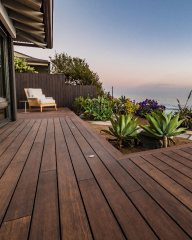
For example, we all know how lovely it feels in summer for our bare feet to land on a natural surface like bamboo flooring, instead of landing on a synthetic one. We can feel the beauty of nature through the soles of our feet, as if the bamboo has captured it and brought it into our home for us to enjoy. This tactile experience engages sensory pathways directly, bypassing cognitive processing to create immediate emotional response.
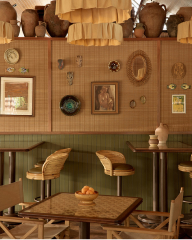
We also feel it when our hands reach out to touch a wall created from something grown by nature, not artificially synthesised by humans. The sensation is improved even more when that natural surface is textured in some way, like the softness inherent in a bamboo panel wall or a rattan bedhead. These textured surfaces provide tactile interest that flat synthetic finishes cannot match, creating haptic experiences that keep us engaged with our environments rather than becoming desensitised to our surroundings.
Visual Patterns and Organic Textures
It extends beyond tactile experience. When we use the patterns and textures of nature in our interior design, they too have a positive effect on us. It seems that our minds prefer gazing at the organic, irregular colours and textures of nature that undulate, blend softly from one shade into another, without the hard, sharp edges of synthetic materials. It's soothing and relaxing just to gaze upon them.
Take the natural grain inherent in bamboo for example. Wherever it is used, whether left in its natural state as bamboo poles or engineered into screens, fencing, ceiling treatments, or flooring, the organic patterning provides visual interest without overwhelming. The grain follows growth patterns that our brains recognise as natural, creating subconscious comfort. Research suggests that fractal patterns found in nature, including wood and bamboo grain, reduce physiological stress when viewed, with optimal stress reduction occurring at fractal dimensions between 1.3 and 1.5, precisely the range most common in natural materials.
The Psychology of Natural Colour
Colour too is important. The colours of nature are more subtle, hues that cannot be replicated by synthetic materials. An infinity of subtle variations in shade and colour call to us from forests, beaches, hills, and deserts, carrying associations with environments where our species thrived for millennia. Natural bamboo colours range from warm honey tones through rich caramels to deep carbonised browns, each shade unique to its growth conditions and processing.
These natural colour variations create visual interest that uniform synthetic colours cannot provide. Our eyes never tire of natural colour palettes because they contain complexity that rewards continued attention. Even within single pieces of bamboo flooring or cladding, subtle colour gradations create depth and warmth that monochrome materials lack. This complexity engages our visual attention without demanding it, creating spaces that feel alive rather than static.
Biomorphic Shapes and Forms
Biomorphic shapes are also pleasing, relaxing, and can transport us to far-away places. It's not too hard to look at something as simple as a stand of natural bamboo poles in your garden and imagine yourself far away in some tropical setting, however fleeting the feeling might be. These imaginative transports provide psychological respite from immediate surroundings, offering mental breaks that restore attention and reduce stress.
Because that is what natural materials in our lives do. They transport us to places in nature in a way that man-made materials simply cannot. This transportive quality makes natural materials particularly valuable in urban environments where access to actual nature may be limited. A bamboo ceiling treatment or woven wall panel brings echoes of forest canopies and natural shelters into contemporary spaces, satisfying our biophilic needs even when surrounded by concrete and glass.
How Do Plants and Natural Materials Work Together?
Plants have always been part of biophilic design, even before the term was known or used. They have always had the ability to bring the outside world into our homes better than almost anything else. But plants work their magic best when used in conjunction with other natural materials. Plants set against synthetic backgrounds do not have the same effect on our psyche as plants set in and around other kindred natural materials.
Something as simple as a plant set in a bamboo pot conveys a more natural and serene feeling than one set in a plastic pot. But this is equally true of plants set against rattan or open weave bamboo walls or panels. The combination creates synergy where the whole exceeds the sum of parts. Natural materials complement living plants by providing harmonious visual context, similar colour palettes, and complementary textures that reinforce rather than compete with plant forms.
This principle extends to larger design compositions. A green wall or plant display gains impact when framed by bamboo screening or set against woven bamboo panels. The natural materials provide structure and context that highlight plant beauty while contributing their own biophilic benefits. Interior landscapes that integrate living plants with natural structural materials create the most powerful biophilic effects, engaging multiple senses and psychological pathways simultaneously.
What Role Do Views, Sounds, and Scents Play?
What we see is another important part of biophilic design. The views that we gaze out onto matter just as much as the views we look in on. To cast our eyes out over a natural landscape, perhaps an alcove with a pond, water feature, or fountain creates visual connection to nature. Running water is another element of biophilic design that seems to ground us, providing both visual movement and soothing sound.
Framing Natural Views
But that alcove itself is enhanced if we use natural materials to create it, perhaps a bamboo feature wall or screen. Natural materials frame views rather than competing with them, drawing attention outward while maintaining indoor-outdoor visual continuity. A bamboo screen or fence provides visual interest in the foreground while allowing glimpses of landscape beyond, creating layered views with depth and complexity that flat walls cannot provide.
For projects where natural views are limited, natural materials become even more important in creating biophilic environments. A bamboo ceiling treatment or wall cladding provides nature connection when windows look onto neighbouring buildings or urban streetscapes. The materials themselves become the nature view, compensating for lack of outdoor access.
The Soundscape of Nature
Sounds also play a role in biophilic design. What could be simpler than a garden full of plants that attracts the song of birds and the buzz of bees? Who does not love the simple sound of wind rustling through leaves or whistling through a stand of bamboo poles? These natural sounds mask unwanted urban noise while providing acoustic texture that engages attention without demanding it.
Bamboo's acoustic properties extend beyond wind sounds to include how the material affects indoor acoustics. Bamboo acoustic panels absorb sound frequencies that create harsh, stressful acoustic environments while reflecting frequencies that support comfortable conversation and pleasant music reproduction. This acoustic performance contributes to biophilic design not through mimicking nature sounds but by creating acoustic environments that feel natural and comfortable rather than harsh and artificial.
Natural Aromas and Scent
Never forget the aromas of nature too. Natural scents and aromas play their part in biophilic design. However subtle it may be, there is something exotic about the natural scent of bamboo and rattan. They both tell tales of the tropics and the orient, carrying associations with places and experiences that enrich our psychological lives.
Natural materials release volatile organic compounds that differ from the off-gassing of synthetic materials. While synthetic carpets and plastics release potentially harmful chemicals, natural materials release compounds that are neutral or beneficial. The subtle scent of new bamboo flooring or fresh rattan cane webbing creates positive associations while avoiding the chemical odours that many people find objectionable in newly renovated spaces.
How Does Light Interact with Natural Materials?
It seems that nature loves light and shadow, as we do. The interplay of darkness and light, never fixed to hard edges, but irregular and organic, creates visual dynamism that engages attention while promoting relaxation. The dappled light that falls through leaves is instantly relaxing, calming, soothing. It places you in nature psychologically even when you're physically inside.
If you can create this interplay too in your interior spaces, you will bring happiness inside. Bamboo screens and woven panels excel at creating dappled light effects. The regular spacing of bamboo poles or the open weave of rattan cane webbing allows light to filter through in patterns that change throughout the day as sun angles shift. These moving shadow patterns provide visual interest without demanding attention, creating environments that feel alive and dynamic rather than static.
Natural materials also respond to light in ways that synthetic materials cannot replicate. Bamboo's natural lustre catches light differently than plastic laminates. The depth in bamboo's grain creates subtle shadow lines that emphasise three-dimensionality. Woven bamboo panels create complex light-and-shadow plays as light filters through multiple layers of material, creating depth and texture that flat surfaces lack.
How Does House of Bamboo Support Biophilic Design?
At House of Bamboo, we have always been biophilics, lovers of the natural world, before we even knew this term existed. This commitment shapes everything we do, from product selection through technical support to educational initiatives. Our role extends beyond supplying materials to encompassing design guidance, application expertise, and advocacy for natural materials in contemporary architecture.
Comprehensive Natural Material Solutions
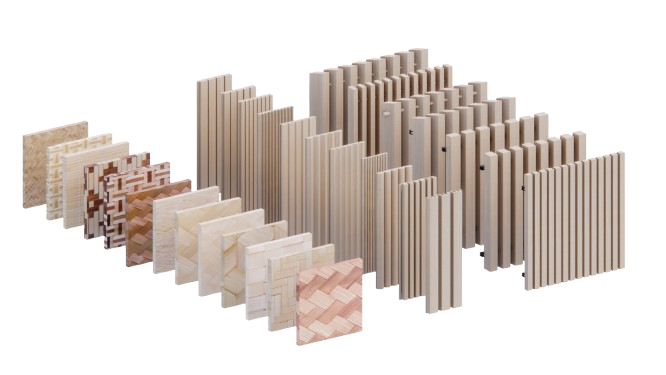
This is true of everything we offer, from our natural and organic products like bamboo poles, panels, Natureed, and Palm Fibre, to our textured and handmade products like rattan and cane webbing and woven bamboo panels, to our engineered and contemporary products like bamboo flooring, decking, panels, veneers, and even construction-grade bamboo. This product range recognises that biophilic design encompasses diverse applications and aesthetic preferences.
Natural bamboo poles provide the most direct nature connection, preserving the material's original form with minimal processing. These work beautifully in gardens, landscape features, or interior applications where natural authenticity matters most. Woven bamboo panels and rattan cane webbing offer handcrafted texture and traditional aesthetics that celebrate material heritage while fitting contemporary design contexts.
Engineered bamboo products like our flooring, decking, and SeaChange Series and Symphony Series cladding systems bring biophilic benefits to applications requiring consistent dimensions, predictable performance, and contemporary aesthetics. The engineering doesn't eliminate biophilic qualities but adapts them to modern construction requirements, making bamboo accessible for projects where natural poles or panels aren't appropriate.
Creating Biophilic Environments
We bring you all this so that you can create a world around you based on biophilic design principles. And that will bring more joy into your life every day. This isn't marketing hyperbole but recognition that the built environment profoundly affects human wellbeing. When we spend 90% of our lives indoors, as most modern people do, the quality of those indoor environments matters enormously to our physical and mental health.
Biophilic design represents practical approach to improving indoor environmental quality through material selection, spatial design, and sensory richness. By integrating natural materials like bamboo across diverse applications, from flooring underfoot to ceiling treatments overhead, from facade systems outside to interior walls and joinery inside, we create comprehensively biophilic environments that support human flourishing.
How Can You Integrate Biophilic Design in Your Projects?
For architects and designers interested in incorporating biophilic design principles, bamboo offers versatile solutions across virtually any application. Begin by identifying opportunities where natural materials provide both functional and biophilic benefits. Flooring represents an obvious starting point, as it's a surface we touch directly and see constantly. Bamboo flooring delivers durability and ease of maintenance alongside biophilic qualities.
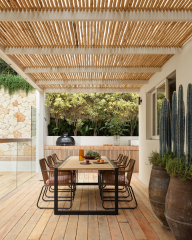
Ceiling treatments offer another high-impact opportunity. Ceilings occupy large areas in our visual fields yet often receive minimal design attention in conventional projects. A bamboo ceiling treatment transforms this overlooked surface into biophilic feature that influences entire room character. The natural texture and colour provide visual warmth while acoustic properties improve sound quality.
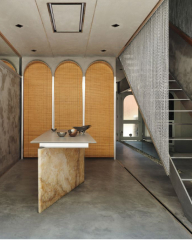
Wall applications including cladding, panels, and woven screens create vertical nature connections that conventional paint or plaster cannot provide. These surfaces invite touch, reward close inspection, and create depth through texture and pattern. In commercial applications, bamboo walls create distinctive identity while improving occupant comfort and wellbeing.
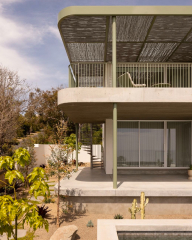
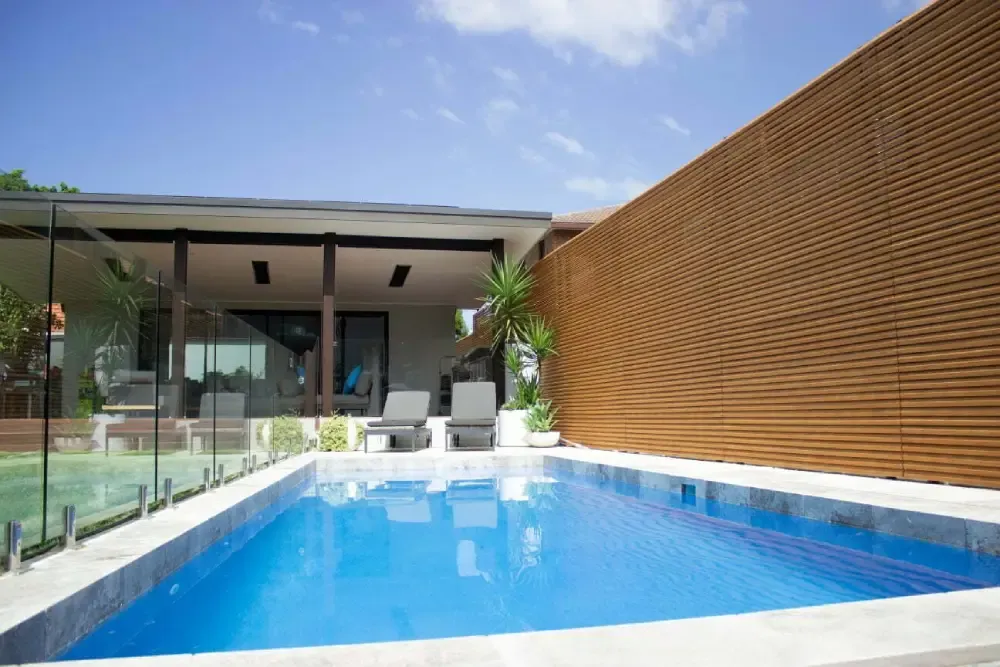
For exterior applications, bamboo fencing and screening provides privacy and shade while maintaining visual connection to landscape. Unlike solid barriers that sever indoor-outdoor relationships, bamboo screens filter views while allowing light, air, and visual continuity. This semi-transparency supports biophilic principles by maintaining connection to outdoor environments.
Experience Biophilic Design at House of Bamboo
To experience biophilic design principles firsthand, visit our Sydney headquarters, where bamboo appears in structural, finish, and decorative applications throughout the space. The building demonstrates how comprehensive natural material integration creates environments that feel fundamentally different from conventional interiors. You'll experience the tactile pleasure of bamboo floors, the visual warmth of bamboo walls and ceilings, and the acoustic comfort of bamboo-treated spaces.
Order samples to evaluate bamboo's biophilic qualities for your projects. Physical samples reveal the textures, colours, and material presence that specifications cannot convey. Hold them, examine them in different lighting conditions, and imagine them at architectural scale in your designs.
Contact our team for consultation on incorporating biophilic design principles into your projects. We provide guidance on product selection, application approaches, and design strategies that maximise biophilic benefits while meeting functional requirements. Our CPD training programmes explore biophilic design theory and practical application, equipping design professionals with knowledge to create nature-connected spaces.
The science confirms what humans have always known intuitively: we need nature in our lives. Biophilic design using natural materials like bamboo provides practical pathways for meeting this need in built environments. Create spaces that uplift, restore, and bring joy through the simple but profound act of surrounding yourself with nature's materials.
Would you like to find out which product will meet your expectations?