Colorbond fences offer practical, durable fencing solutions across Australian properties. Their convenience and longevity make them popular choices for perimeter security and privacy. Yet their industrial appearance doesn't suit every aesthetic vision, particularly in carefully landscaped outdoor living spaces where natural warmth matters. Fortunately, several natural screening materials can transform Colorbond's utilitarian look into design features that enhance rather than detract from landscape beauty.

Colorbond fences offer practical, durable fencing solutions across Australian properties. Their convenience and longevity make them popular choices for perimeter security and privacy. Yet their industrial appearance doesn't suit every aesthetic vision, particularly in carefully landscaped outdoor living spaces where natural warmth matters. Fortunately, several natural screening materials can transform Colorbond's utilitarian look into design features that enhance rather than detract from landscape beauty.
Colorbond fencing serves functional purposes admirably. It provides security, privacy, and weather resistance with minimal maintenance requirements. However, these practical benefits come with aesthetic limitations that become increasingly apparent in refined outdoor environments.
The material's industrial character works well in commercial or utilitarian contexts but can feel stark in residential landscapes. When homeowners invest significantly in outdoor living spaces—pools, entertaining areas, gardens—the fence's appearance often becomes more noticeable, creating visual disconnection between carefully designed spaces and perimeter treatments.
This contrast intensifies in situations where landscaping budgets focus on hardscaping, water features, and planting. As these elements reach completion, the fence that seemed acceptable initially can transform into an eyesore that undermines the investment made elsewhere.
Several natural screening options transform Colorbond's industrial appearance while leveraging the existing fence structure. Understanding these alternatives helps homeowners select solutions matching their aesthetic preferences and functional requirements.
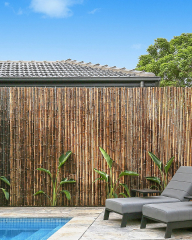
Bamboo rod screening creates organic, natural appearance that contrasts beautifully with contemporary hardscaping. These screens consist of bamboo poles joined with stainless steel wire, creating semi-transparent barriers that provide privacy while allowing air circulation.
The material's natural variation in tone and texture adds visual interest that manufactured materials cannot replicate. Each bamboo pole displays unique characteristics—subtle color shifts, natural nodes, and organic irregularities—that create authentic natural presence.
Black bamboo rod screens offer particularly striking appearance against light-colored pavers or coping. This contrast creates sophisticated visual impact that elevates landscape design while maintaining the natural aesthetic many homeowners seek.
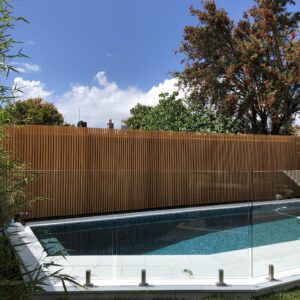
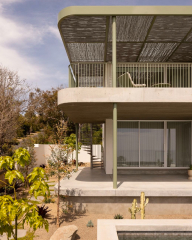
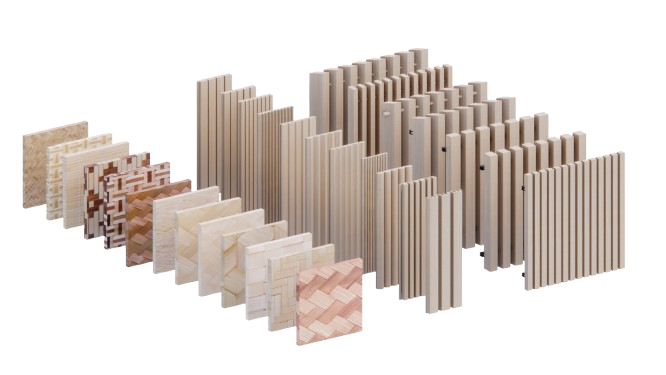
For homeowners preferring contemporary aesthetics, slatted bamboo timber screening delivers clean, modern appearance. These screens feature engineered bamboo planks arranged horizontally or vertically, creating geometric patterns that complement minimalist design approaches.
The material combines bamboo's sustainability credentials with refined appearance suitable for sophisticated outdoor spaces. Slatted screens work particularly well in modern pool areas where clean lines and natural materials create cohesive design language.
This screening style offers more uniform appearance than rod screens while maintaining authentic natural material presence. The regularity appeals to design sensibilities favoring consistency and geometric precision.
Understanding real-world applications demonstrates how bamboo screening addresses practical problems while achieving aesthetic goals. One House of Bamboo client faced several challenges that a single solution needed to resolve.
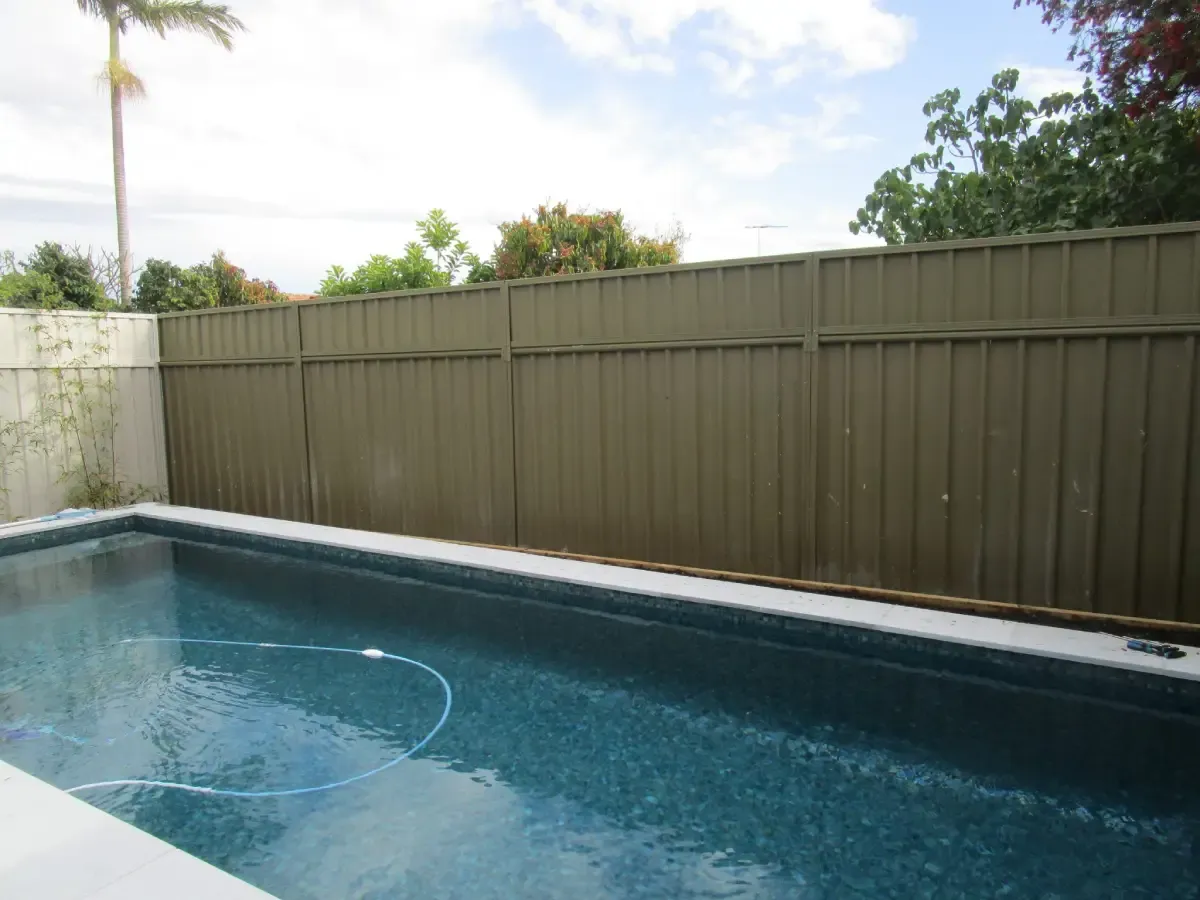
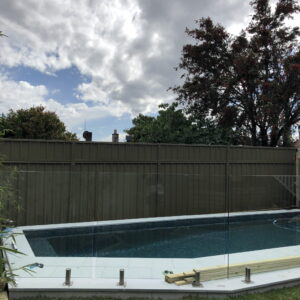
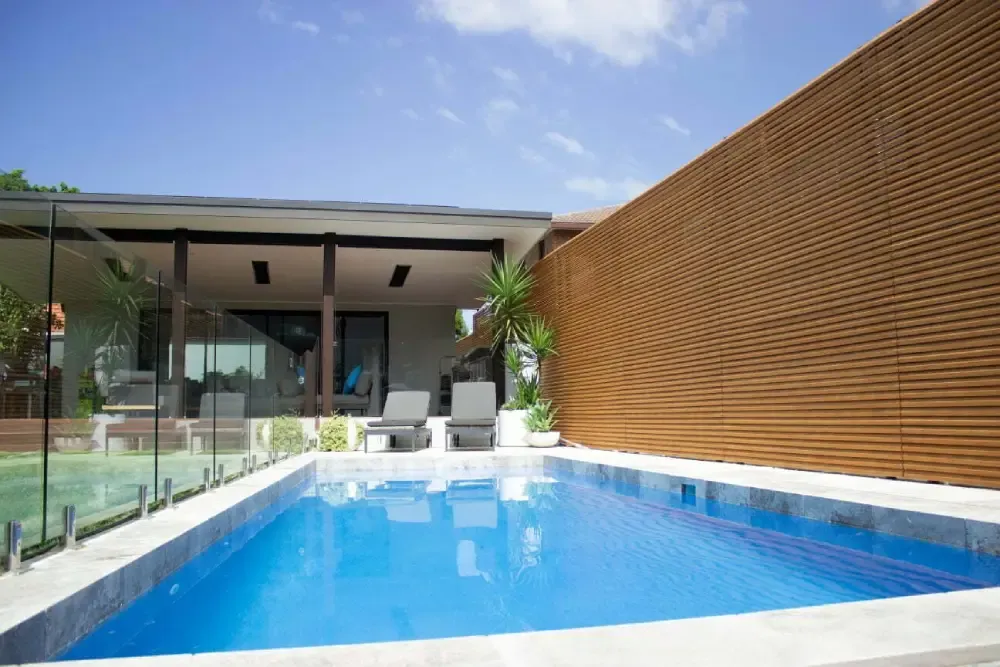
After investing significantly in a new pool and surrounding it with travertine tiling, the homeowner found their Colorbond fence increasingly problematic. What seemed acceptable before pool construction became an eyesore that detracted from their investment.
The pool project created additional complications. Tiling raised the ground level, effectively lowering the fence height below pool certification requirements. This created safety compliance issues that needed immediate resolution.
Budget constraints added another layer of complexity. Having already spent substantially on pool construction and tiling, complete fence replacement wasn't financially feasible. The solution needed to work with existing infrastructure while addressing both aesthetic and regulatory concerns.
Black rod bamboo fencing provided a perfect, relatively inexpensive solution addressing all concerns simultaneously. The screening used the existing Colorbond fence as structural support, eliminating replacement costs while transforming its appearance.
The installation raised effective fence height to meet pool certification requirements. This solved the safety compliance issue without expensive structural modifications or complete fence reconstruction.
Most importantly, the bamboo screening complemented the beautiful travertine surrounds. The organic black bamboo created visual harmony with the pool area's refined materials, elevating the entire space's aesthetic quality.
Installation simplicity makes bamboo rod screening accessible for both professional contractors and capable DIY homeowners. Understanding the process helps evaluate whether this represents a realistic project for your situation and skill level.
The installation process begins by fixing battens to your existing Colorbond fence. These battens create mounting surfaces for the bamboo screening, distributing load and providing secure attachment points.
Bamboo rod screens then screw directly to these battens. The screens come as 1200mm wide rolls in either 1800mm or 2400mm heights, allowing coverage of standard fence dimensions without extensive cutting or modification.
The rolls feature bamboo poles joined with quality stainless steel wire. This construction provides strength and durability while allowing slight flexibility that accommodates minor irregularities in fence alignment.
The project requires relatively basic tools and materials. Battens can be timber or metal, depending on preference and budget. Stainless steel screws ensure corrosion resistance in outdoor environments, particularly important near pools where moisture and chemicals affect fasteners.
Standard power drills handle fastening requirements. A saw may be needed if screens require height trimming to match specific fence dimensions or to accommodate gates and other openings.
While installation is straightforward, professional installation ensures optimal results, particularly for extensive fence runs or situations where pool certification requires documented compliance. House of Bamboo offers installation services that guarantee proper mounting, appropriate height, and finished appearance.
Professional installation also provides warranty coverage and eliminates concerns about DIY mistakes that might affect certification or durability. For many homeowners, this peace of mind justifies the additional cost.
Pool surrounds present specific requirements that influence material selection. Understanding why bamboo rod screening works particularly well in these contexts helps homeowners recognize whether it suits their situation.
Pool safety regulations mandate minimum fence heights to prevent unsupervised child access. When ground-level changes affect existing fence height, solutions must restore compliant dimensions.
Bamboo screening adds height to existing Colorbond fences, bringing them into certification compliance. This addresses regulatory requirements without the expense and disruption of complete fence replacement.
The screening's semi-transparent nature maintains some visual connection to surrounding landscape while providing the barrier function that regulations require. This balance allows compliance without creating completely enclosed feeling.
Modern pool designs often feature light-colored coping and surrounds—travertine, limestone, or light pavers create bright, clean appearance. Against these backgrounds, black bamboo rod screening creates striking contrast that defines space while maintaining organic character.
This color contrast prevents the fence from disappearing visually, creating intentional design statement. The dark bamboo frames the pool area, drawing attention to the water and hardscaping investment.
Natural material presence softens the pool area's hard surfaces. Concrete, tile, and metal pool equipment create utilitarian character that bamboo's organic texture balances, making spaces feel more inviting.
Unlike solid screening, bamboo rod construction allows air movement through the fence. This circulation prevents heat buildup behind screening and maintains comfortable conditions in pool areas where ventilation matters.
The semi-transparent quality also provides filtered views beyond the fence line. While privacy remains, the screening doesn't create completely closed-in feeling that solid barriers can generate in compact outdoor spaces.
Not every landscape design prioritizes organic, rustic aesthetics. Many modern homes feature clean lines, geometric patterns, and minimalist sensibilities that require different screening approaches to maintain design consistency.
Slatted bamboo timber screening aligns perfectly with contemporary design principles. The geometric regularity of horizontal or vertical slats creates patterns that complement modern architecture's emphasis on clean lines and intentional repetition.
The material's refined finish suits sophisticated outdoor spaces where every element receives careful consideration. Unlike rustic rod screening, slatted timber appears deliberately designed rather than naturally occurring.
This contemporary character works particularly well with modern pool designs featuring infinity edges, geometric shapes, and minimalist landscaping. The screening becomes part of cohesive design language rather than contrasting element.
Engineered bamboo slats offer consistent color and finish that appeals to design sensibilities favoring uniformity. While natural variation exists, it's subtler than rod screening, creating more predictable visual outcome.
Finish options expand design possibilities. Natural bamboo tones range from honey to caramel, while staining achieves darker hues resembling walnut or espresso. This flexibility allows coordination with existing materials and color schemes.
The refined finish also ages more predictably than unfinished natural materials. While bamboo develops patina over time, factory finishes slow weathering and maintain appearance longer with minimal maintenance.
Slatted screening provides graduated privacy based on slat spacing. Tight spacing creates nearly solid barrier, while wider gaps allow filtered views and increased air circulation.
This adjustability lets homeowners balance privacy needs against desire for openness and light. Pool areas often benefit from privacy that doesn't feel confining—slatted screens achieve this balance effectively.
While appearance motivates most Colorbond covering projects, practical benefits extend beyond visual improvement. Understanding these advantages helps justify investment and informs material selection.
Covering rather than replacing Colorbond fence leverages existing investment. The structural fence remains, providing security and weather resistance while new screening addresses aesthetic concerns.
This approach costs significantly less than complete fence replacement. Labor and materials for installation over existing fence represent fraction of tear-out and rebuild expenses.
The speed advantage also matters. Installation over existing fence takes hours or days compared to weeks for complete replacement, minimizing disruption to outdoor space use.
When regulation changes or ground-level modifications affect fence height compliance, screening offers economical solution. Adding height through screening costs far less than raising entire fence structure.
This proves particularly valuable in pool certification scenarios where height requirements prevent pool use until addressed. Bamboo screening resolves compliance quickly without major construction projects.
Bamboo screening aligns with environmental values many homeowners hold. The material's rapid renewability, carbon sequestration during growth, and biodegradability at end-of-life create genuine sustainability credentials.
Choosing natural screening over synthetic alternatives reduces plastic consumption and associated environmental impacts. This matters to homeowners prioritizing eco-conscious landscaping alongside aesthetic goals.
Understanding maintenance requirements helps set realistic expectations and ensures screening retains appearance and performance throughout its service life.
Bamboo screening requires periodic cleaning to remove dust, pollen, and debris that accumulate on horizontal surfaces. A garden hose or pressure washer on gentle setting handles most cleaning requirements.
For rod screening, inspect wire connections periodically to ensure they remain tight. The stainless steel wire resists corrosion, but checking integrity prevents problems before poles become loose.
Slatted timber screening may benefit from occasional finish reapplication, depending on exposure and desired appearance. Natural weathering creates silver-gray patina that some homeowners prefer, eliminating refinishing need.
Properly treated bamboo withstands Australian weather conditions well. The material naturally resists moisture and doesn't rot like some timber species when exposed to rain and humidity.
In coastal environments, salt spray may accelerate weathering. More frequent cleaning and potential protective coating reapplication maintains appearance in these demanding conditions.
Extreme weather events—severe storms, hail—may damage screening as they would any fence material. However, individual panel replacement proves simpler and less expensive than repairing solid fencing.
Quality bamboo screening typically lasts 10 to 15 years with minimal maintenance. This lifespan compares favorably to other natural screening materials while remaining significantly less expensive than hardwood alternatives.
When replacement becomes necessary, the process mirrors initial installation. New screening attaches to existing battens or refreshed mounting systems, making updates straightforward.
While pool areas motivate many Colorbond covering projects, bamboo screening solves aesthetic challenges in various landscape contexts. Understanding these applications reveals the material's versatility.
Narrow side yards between houses often feature Colorbond fencing for security. These utilitarian spaces benefit dramatically from bamboo screening that transforms them into pleasant passages rather than merely functional corridors.
The screening's visual interest makes side yards feel intentional rather than leftover space. This matters when these areas remain visible from main living spaces or entertaining areas.
Outdoor entertainment spaces and garden areas sometimes adjoin Colorbond fences that conflict with carefully developed landscaping. Bamboo screening integrates fences into garden design rather than treating them as separate elements.
The natural material harmonizes with planting while providing backdrop that showcases rather than competes with vegetation. This integration creates cohesive landscape design across the entire property.
Urban properties with balconies or terraces sometimes face neighbors' Colorbond fences. While these fences provide necessary security, they create industrial outlook that detracts from outdoor room potential.
Bamboo screening transforms these views, creating privacy while adding natural element to typically hard-surfaced urban outdoor spaces. The improvement dramatically enhances balcony and terrace usability and enjoyment.
Moving from dissatisfaction with existing Colorbond fence to completed bamboo screening installation requires practical planning steps. Understanding this process helps homeowners begin confidently.
Evaluate what bothers you about current fence appearance. Does it feel too industrial? Does it clash with recent landscape investments? Understanding specific concerns helps select screening style that addresses them effectively.
Consider whether you need additional height for pool certification or other regulatory compliance. This affects screening selection and installation approach, potentially requiring professional verification.
Measure fence dimensions accurately. Knowing total linear meters and heights required allows accurate material quantity calculations and realistic budget development.
Order samples of both rod and slatted bamboo screening to evaluate appearance and quality directly. Seeing materials in your actual outdoor space reveals how they'll perform aesthetically.
Compare screening styles against your landscape's existing character. Organic rod screening suits natural, planted areas while contemporary slats complement modern, minimalist designs.
Consider maintenance willingness. Both screening types require minimal upkeep, but understanding specific requirements ensures realistic expectations about long-term care.
Contact House of Bamboo design consultants to discuss your specific project requirements. Experienced guidance helps navigate screening selection, quantity calculations, and installation planning.
For detailed installation help, consult available resources including video tutorials that demonstrate mounting techniques. Visual instruction clarifies process and builds confidence for DIY installation.
Request installation quotes if professional service suits your situation better. Understanding costs for both DIY and professional installation allows informed decision-making based on budget, timeline, and skill level.
Call 1300 665 703 to discuss your Colorbond transformation project. Whether you prefer organic black bamboo rod screening or contemporary slatted timber, natural materials can transform your fence from eyesore to landscape asset while addressing practical needs like pool certification. The investment enhances your outdoor space's beauty while leveraging rather than replacing existing infrastructure—a practical approach that delivers maximum impact for reasonable cost.