Professor Yan Xiao: Engineering the Future with Bamboo

Engineering the Future with Bamboo

At House of Bamboo, we were honoured to welcome Professor Yan Xiao, one of the world's foremost authorities on structural bamboo, to speak at our recent event. His presence wasn't just symbolic, it represented a profound alignment between innovation, sustainability, and the future of the built environment, bringing decades of research and real-world construction experience to Australian architects and designers.

Professor Yan Xiao and His Impactful Work
GluBam Transforming Bamboo Construction
Insights from Professor Xiao at House of Bamboo Event
Professor Xiao Bridging Cultures and Disciplines
Meaning for Australian Construction
Architects Applying These Insights
Future of Structural Bamboo in Australia
Future of Sustainable Construction

Who Is Professor Yan Xiao and Why Does His Work Matter?

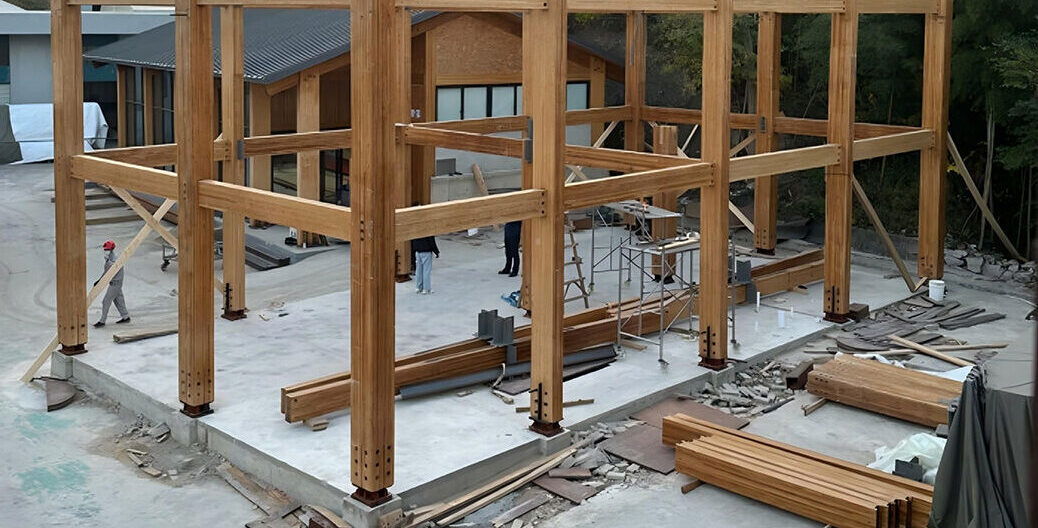
Professor Xiao is best known for designing and constructing the world's first 7-storey building made entirely from engineered structural bamboo, a monumental achievement that has reframed what's possible with natural materials in large-scale construction. This landmark project, completed using his patented GluBam system, demolished long-held assumptions about bamboo's limitations in contemporary architecture. His work demonstrates that bamboo isn't just decorative or supplementary material relegated to interior accents or landscape features. It is a serious structural contender capable of supporting multi-storey buildings, spanning significant distances, and meeting the rigorous performance standards that modern construction demands.

The 7-storey residential structure represents more than technical achievement. It stands as proof that renewable materials can deliver the structural capacity, durability, and safety that conventional materials provide, while dramatically reducing environmental impact. Every beam, column, and floor system in that building challenges the construction industry to reconsider its material assumptions and explore alternatives to carbon-intensive steel and concrete.

Professor Yan Xiao

Global Recognition and Academic Leadership

With a distinguished background as Professor at Zhejiang University in China and formerly at the University of Southern California, Professor Xiao's contributions to structural engineering are globally recognised across academic and professional communities. His research spans earthquake engineering, composite materials, structural reliability, and sustainable construction systems, bringing rigorous scientific methodology to every aspect of bamboo development. This academic foundation ensures that his innovations aren't just creative experiments but thoroughly tested, peer-reviewed solutions backed by comprehensive engineering data.

His work has influenced building codes, material standards, and construction practices across multiple countries, particularly in Asia where bamboo construction has deeper cultural roots but had lacked modern engineering validation. By bringing Western structural engineering principles to traditional bamboo construction knowledge, Professor Xiao created hybrid systems that satisfy contemporary safety standards while honouring material traditions stretching back millennia.

What Is GluBam and How Does It Transform Bamboo Construction?

Professor Xiao has developed patented systems such as GluBam, an engineered bamboo composite used in bridges, buildings, and emergency housing, all with the aim of reducing the environmental impact of construction while maintaining or exceeding the performance of conventional materials. GluBam represents a significant advancement in engineered bamboo technology, using precision lamination techniques to create structural members with consistent properties and predictable performance characteristics.

Engineering Innovation Meets Manufacturing Reality

The manufacturing process for GluBam involves selecting high-quality bamboo culms, processing them into standardised strips, treating them for durability and dimensional stability, and laminating them under controlled pressure and temperature. This process creates composite materials with superior strength characteristics compared to natural bamboo while eliminating the variability that makes natural materials challenging for structural engineers to specify with confidence.

But it's not just about innovation in theory. Professor Xiao works closely with manufacturers to ensure that the materials used in his designs meet both performance and environmental criteria, bridging the gap between laboratory research and commercial viability. This practical focus on manufacturability means his innovations can be scaled for real-world application rather than remaining academic curiosities. We are proud to say that our factory in China has supplied bamboo for some of his key projects, a collaboration that continues to inspire our product development and technical standards.

Applications Beyond Buildings

GluBam technology has been applied across diverse structural contexts, demonstrating bamboo's versatility beyond vertical construction. Bridge projects using GluBam beams span watercourses and roadways, providing pedestrian and light vehicle access in regions where conventional bridge materials prove costly or environmentally damaging. The material's high strength-to-weight ratio makes it particularly valuable in bridge construction, where dead load directly impacts span capacity and foundation requirements.

Emergency housing applications showcase bamboo's potential for rapid deployment in disaster relief scenarios. Following earthquakes, floods, or other catastrophic events, GluBam systems enable quick construction of safe, dignified temporary housing that can later transition to permanent structures. The material's renewability means that large-scale emergency housing programs don't deplete existing building material supplies needed for broader reconstruction efforts.

GluBam Transforming Bamboo Construction

What Insights Did Professor Xiao Share at the House of Bamboo Event?

During his presentation at House of Bamboo, Professor Xiao shared insights into how bamboo can reshape the construction industry not in the distant future, but now, with existing technology and manufacturing capabilities. His message resonated powerfully with the architects, engineers, designers, and builders in attendance, many of whom had viewed bamboo primarily as a niche material for specific applications rather than a comprehensive construction system.

Exceptional Strength-to-Weight Ratio

He spoke extensively about bamboo's exceptional strength-to-weight ratio, which rivals or exceeds many traditional structural materials including certain steel grades and hardwood species. This characteristic makes bamboo particularly valuable in applications where reducing structural self-weight delivers cascading benefits throughout the building system. Lighter structures require smaller foundations, less substantial lateral bracing, and reduced material quantities in supporting elements, creating efficiency gains that compound through the entire construction process.

For Australian construction contexts, where seismic considerations are less dominant than in Professor Xiao's Asian projects, the strength-to-weight advantages translate primarily into construction efficiency and material economy. Lighter structural members are easier to handle on site, require less heavy equipment for installation, and reduce transportation costs and carbon emissions associated with moving materials from factory to construction site.

Natural Renewability and Carbon Benefits

Professor Xiao emphasised bamboo's natural renewability and low carbon footprint, contrasting its environmental profile with conventional materials that dominate contemporary construction. While steel production requires extreme temperatures and massive energy inputs, and concrete manufacturing releases substantial CO2 through cement production, bamboo absorbs carbon throughout its growth phase. This fundamental difference means that bamboo construction begins with a carbon advantage that only widens when considering the lower energy requirements for processing and manufacturing.

The renewability aspect addresses resource depletion concerns that increasingly trouble the construction industry. As old-growth forests disappear and high-quality timber becomes scarcer and more expensive, renewable alternatives gain practical importance beyond their environmental appeal. Bamboo's three-to-five-year harvest cycle means supply can respond dynamically to demand changes, unlike timber forestry where planting decisions made today won't yield harvestable material for decades.

Replacing Timber and Steel in Structural Applications

His presentation explored bamboo's ability to replace timber and steel in many structural applications, supported by engineering data from completed projects and ongoing research programmes. Rather than positioning bamboo as universally superior to all alternatives, Professor Xiao articulated a nuanced understanding of where bamboo excels and where complementary materials might be more appropriate. This intellectually honest approach builds credibility with engineering audiences trained to scepticism about materials that claim universal superiority.

For beams and columns in low-to-mid-rise construction, GluBam and similar engineered bamboo products can directly substitute for timber or light steel framing. In flooring and decking applications, bamboo's hardness and wear resistance often exceed timber alternatives while maintaining the warmth and biophilic qualities that cold steel or concrete cannot provide. For facades, walls, and cladding, bamboo offers aesthetic differentiation alongside functional performance, creating architectural interest while meeting technical requirements.
How Does Professor Xiao's Work Bridge Cultures and Disciplines?

His work bridges continents and cultures, combining the technical rigour of Western structural engineering with the regenerative power of nature and the material wisdom embedded in Asian bamboo traditions. This intercultural synthesis creates solutions that satisfy both rigorous performance standards and holistic sustainability principles, avoiding the false choice between technical excellence and environmental responsibility.

Translating Traditional Knowledge Through Modern Engineering

Traditional bamboo construction in China, Indonesia, and other Asian countries developed sophisticated joinery techniques and structural systems over centuries of empirical refinement. However, these traditional methods often lack the engineering documentation and standardised testing data that contemporary building codes require. Professor Xiao's contribution lies in validating traditional wisdom through modern engineering analysis, quantifying performance characteristics that builders had understood intuitively, and translating that knowledge into formats that building certifiers and structural engineers can evaluate.

This translation work proves essential for bamboo adoption in highly regulated construction environments like Australia, where building approval processes demand comprehensive engineering documentation. By providing the testing data, design tables, and calculation methodologies that engineers need, Professor Xiao's research removes barriers that would otherwise prevent bamboo specification regardless of its demonstrated performance in traditional contexts.

Global Collaboration and Knowledge Sharing

Professor Xiao's international collaborations extend beyond manufacturing partnerships to include research institutions, government agencies, and professional organisations across Asia, North America, and increasingly in Australia and Europe. This global network accelerates bamboo innovation by sharing research findings, pooling testing resources, and coordinating standardisation efforts. Rather than each region developing isolated bamboo standards, coordinated international work creates more robust frameworks that facilitate global trade in bamboo building materials.

His willingness to share research findings and engage with practitioners outside pure academic contexts exemplifies the collaborative approach necessary for material innovation. Many academic researchers focus exclusively on publishing peer-reviewed papers for other academics, creating knowledge silos that rarely influence actual construction practice. Professor Xiao deliberately bridges this gap, presenting at industry events, consulting on commercial projects, and engaging with manufacturers, architects, and builders who will ultimately determine whether bamboo achieves its potential.

What Does This Mean for Australian Construction?

Having Professor Xiao visit House of Bamboo and share his experience with our audience was a milestone moment for the Australian bamboo construction movement. His research and built work provide compelling proof that bamboo is not just an alternative material for niche applications, it is a comprehensive solution for mainstream construction challenges. As Australia seeks new pathways to build sustainably, voices like Professor Xiao's light the way forward with evidence-based confidence rather than wishful speculation.

Pathways for Australian Bamboo Adoption

Australia's construction industry faces unique challenges and opportunities in bamboo adoption. Unlike Asian countries with long bamboo traditions, Australian building culture centres firmly on timber, steel, and masonry construction, creating both educational needs and regulatory hurdles. However, Australia's strong environmental consciousness, established green building certification systems, and sophisticated architectural culture create favourable conditions for innovative sustainable materials.

Professor Xiao's work demonstrates that regulatory approval is achievable with proper engineering documentation, a crucial message for Australian architects hesitant about specification risks. His 7-storey building secured approvals in China's rigorous regulatory environment, proving that multi-storey bamboo construction can satisfy modern building codes. This precedent provides reference points for Australian building certifiers evaluating bamboo proposals, reducing the uncertainty that often surrounds innovative material applications.

Building Industry Confidence Through Education

Events like Professor Xiao's presentation at House of Bamboo serve essential educational functions, building industry confidence in bamboo through direct engagement with world-leading expertise. Architects and engineers who attend such presentations gain understanding not just of bamboo's technical capabilities but of the engineering methodologies and testing protocols that validate those capabilities. This deeper knowledge enables more confident specification and more sophisticated application of bamboo across diverse project types.

Our CPD training programmes, informed by research from experts like Professor Xiao, provide structured educational pathways for design professionals seeking to integrate bamboo into their practice. These sessions cover material properties, manufacturing processes, design considerations, detailing requirements, and sustainability credentials, equipping architects with comprehensive knowledge for responsible bamboo specification.

How Can Architects Apply These Insights?

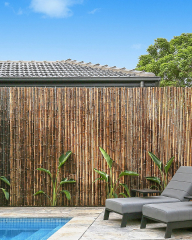
For architects inspired by Professor Xiao's work and interested in exploring bamboo's structural potential, multiple practical pathways exist for beginning that exploration. Start by reviewing our applications pages to understand how bamboo performs across facades, interiors, flooring, and landscape contexts. While Professor Xiao's work focuses primarily on structural systems, the material principles apply across all applications, from load-bearing beams to decorative cladding.

Technical Resources and Design Support

House of Bamboo provides comprehensive technical documentation supporting bamboo specification, including engineering data derived from testing programmes conducted in collaboration with research partners. Our beams and lumber posts represent Australian-available products closest in application to Professor Xiao's GluBam systems, offering structural capacity suitable for a range of load-bearing applications. Our technical team can provide load tables, deflection calculations, and connection details supporting confident specification.

For projects with unique structural requirements or challenging performance criteria, we facilitate connections with structural engineers experienced in bamboo design, including professionals who have studied Professor Xiao's methodologies and research. This collaborative network ensures that pioneering projects receive appropriate technical support throughout design development and construction documentation phases.

Typical-floor-plan


Learning from Built Examples

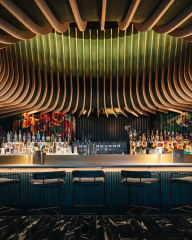
Review our projects gallery to see bamboo applications across diverse contexts and scales. While few Australian projects match the structural ambition of Professor Xiao's 7-storey building, numerous examples demonstrate bamboo's versatility in residential, commercial, and hospitality applications. The Clarke & Humel Office showcases engineered bamboo in commercial contexts, while projects like The Shack Beach Hotel and Australian Arms Hotel demonstrate hospitality applications where bamboo contributes to both structure and aesthetic character.

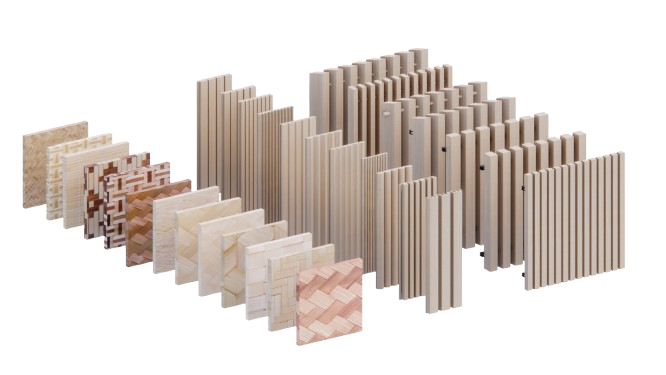
Order samples to experience bamboo's physical qualities directly, understanding the material's texture, colour, weight, and tactile character. Specifications and photographs cannot fully convey these sensory qualities, yet they significantly influence design decisions and client responses. Samples also support client presentations, allowing building owners to connect with the material before committing to full-scale application.

What's the Future of Structural Bamboo in Australia?

Professor Xiao's visit signals growing international attention to Australia as an emerging market for engineered bamboo construction. His willingness to share expertise with Australian audiences reflects recognition that Australia's sophisticated design culture, strong sustainability commitments, and established green building sector create ideal conditions for bamboo adoption. As Australian architects and engineers gain familiarity with bamboo's capabilities, we anticipate accelerating uptake across residential, commercial, and institutional sectors.

The development of Australian-specific design standards for bamboo construction, potentially informed by Professor Xiao's research methodologies, would dramatically accelerate this transition. Currently, each bamboo project requires individual engineering assessment, creating barriers that discourage all but the most committed designers. Standardised approaches would normalise bamboo specification, making it as straightforward as selecting timber species or steel grades.

Growing awareness of embodied carbon and construction's climate impact creates increasingly favourable conditions for bamboo adoption. As carbon accounting becomes mandatory for major projects and green building standards tighten, materials with superior environmental profiles gain competitive advantages. Bamboo's combination of rapid renewability, high carbon sequestration, and low processing energy positions it advantageously in this evolving landscape, particularly for projects pursuing ambitious sustainability targets.

Experience the Future of Sustainable Construction

Professor Yan Xiao's groundbreaking work proves that bamboo construction can deliver structural performance matching conventional materials while dramatically reducing environmental impact. His 7-storey building, GluBam technology, and decades of research provide the technical foundation that Australian architects need for confident bamboo specification. At House of Bamboo, we're proud to collaborate with global leaders like Professor Xiao, bringing international expertise to Australian construction contexts.

To explore how engineered bamboo can enhance your next project, contact our team for technical consultation and design support. Browse our applications pages to see bamboo's versatility across diverse building contexts. Review completed projects demonstrating real-world performance and aesthetic possibilities.

Order samples to experience the material that's reshaping global architecture. With guidance from world-leading researchers and over 50 years of Australian expertise, House of Bamboo supports your journey toward beautiful, sustainable design.

Image 1
Image 2
Image 3
Image 4
Image 5

Would you like to find out which product will meet your expectations?