Proving What's Possible: House of Bamboo's Structural Bamboo Showcase

House of Bamboo's Structural Bamboo Showcase

At House of Bamboo, we recognised a fundamental gap in the construction and design industry: not a lack of awareness of bamboo's aesthetic value, but of its architectural and structural potential. Architects and designers appreciated bamboo's visual warmth and natural texture, yet few understood its capabilities as a primary structural material or comprehensive building system. So we built something to shift that perception, creating a space that demonstrates rather than simply describes bamboo's possibilities.

Building a Structural Bamboo Headquarters
Different from Conventional Renovations
Space Functioning Across Multiple Roles
Visitor Experiences and Learning Opportunities
Project Influencing the Construction Industry
Next Steps for Structural Bamboo in Australia
Visit and Experience Sustainable Construction’s Future

Why Did We Build a Structural Bamboo Headquarters?

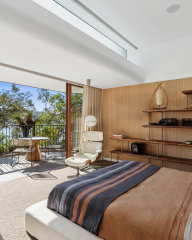
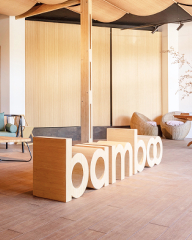
Our Sydney headquarters transforms a 1950s warehouse into a living demonstration of what's possible when engineered bamboo is integrated at every level of design and construction. It is one of the first commercial buildings in Australia to use structural bamboo as its core material, establishing a tangible reference point for architects considering bamboo for their own projects. Rather than asking the industry to trust specifications and technical claims alone, we created an environment where professionals can experience bamboo's performance directly.

The project addresses a persistent challenge in sustainable material adoption: the reluctance to specify unfamiliar materials without seeing them perform in real-world conditions. Architects understandably hesitate to experiment with building systems on client projects when precedents are scarce and long-term performance remains unproven. By building our own headquarters in structural bamboo, we assumed that specification risk ourselves, creating the demonstration project that the industry needed to build confidence.

From Vision to Reality

The transformation from conventional warehouse to bamboo showcase required careful planning, engineering validation, and collaborative problem-solving across design and construction teams. Every decision balanced multiple objectives: demonstrating bamboo's capabilities, maintaining functional workspace requirements, showcasing diverse product applications, and achieving genuine sustainability outcomes rather than superficial green gestures. The result reflects not just what bamboo can do, but how thoughtfully applied, it enhances rather than compromises building performance.

From the prefabricated beams and structural elements to flooring, joinery, acoustic linings, and bifold doors, bamboo is not simply displayed as sample boards or decorative accents. It's embedded in the very fabric of the building, performing the structural, acoustic, thermal, and aesthetic functions that any commercial space requires. This comprehensive integration demonstrates bamboo's versatility across applications that architects encounter in every project, from load-bearing systems to finish details.

Building a Structural Bamboo Headquarters

What Makes This Project Different from Conventional Renovations?

Wherever possible, existing furniture and materials were repurposed, reinforcing our commitment to low-impact, high-performance design that extends beyond material selection to encompass whole-building thinking. The adaptive reuse approach preserved the warehouse's embodied energy while updating it for contemporary functionality. This combination of new bamboo systems and repurposed existing elements models the circular design principles that sustainable construction increasingly requires.

Embodied Carbon and Material Transparency

The result is a versatile, low-embodied-carbon space that now functions simultaneously as working showroom, office, and education hub. Unlike conventional showrooms that sit empty outside business hours, our headquarters integrates demonstration and daily operation. Visitors see bamboo products in active service rather than staged displays, experiencing how materials age, how they respond to use patterns, and how they perform across Australia's climate variations.

The low embodied carbon achievement stems from multiple strategic decisions. Adaptive reuse of the existing warehouse structure retained substantial embodied energy that new construction would have forfeited. Bamboo's inherently low carbon footprint, derived from rapid growth and minimal processing energy, reduces material-related emissions. The repurposing of existing furniture and fittings further minimises waste and avoided the carbon costs of manufacturing replacements. Together, these choices demonstrate that ambitious sustainability outcomes don't require sacrificing functionality or aesthetic quality.

Proving What's Possible: House of Bamboo's Structural Bamboo Showcase

How Does the Space Function Across Multiple Roles?

This project was never just about building a space for our own operations. It was about setting a benchmark and creating an environment designed to challenge outdated assumptions and demonstrate bamboo's place in modern architecture. The multi-functional programming ensures the space serves industry needs beyond our immediate business requirements, positioning it as a resource for the broader design community.

Working Showroom

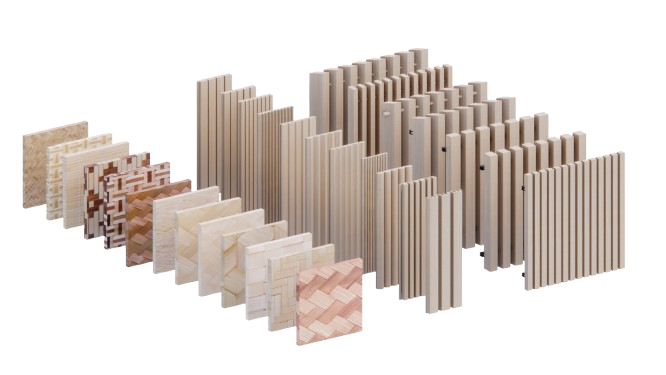
As a showroom, the space displays House of Bamboo's complete product range in context rather than as isolated samples. Visitors see how different bamboo products complement each other, how textures and finishes work together, and how bamboo integrates with conventional materials like glass, steel, and masonry. The SeaChange Series and Symphony Series appear in multiple applications, demonstrating their versatility across structural and finish uses.

The working aspect means visitors experience genuine workplace conditions rather than carefully curated displays. They observe how bamboo flooring withstands daily foot traffic, how acoustic panels perform in occupied spaces, and how natural light interacts with bamboo surfaces throughout the day. This authentic presentation builds confidence more effectively than pristine sample rooms that never experience real-world use patterns.

Functional Office Environment

The space functions as our daily working environment, housing design consultations, project coordination, technical support, and business operations. This operational requirement ensured design decisions balanced aesthetics with practical considerations like acoustic privacy, thermal comfort, flexible workspace configurations, and adequate storage. The solutions developed for our own needs inform recommendations we make to clients facing similar functional requirements.

Joinery fabricated from engineered bamboo provides storage, workstations, and display systems that showcase the material's suitability for custom fabrication. The bifold doors demonstrate bamboo's performance in high-use elements subject to repeated operation, weathering, and security requirements. These applications prove bamboo's viability for the demanding contexts that commercial projects require, not just the decorative or low-stress applications where sustainable materials often get relegated.

Education Hub for Industry Professionals

Perhaps most importantly, the headquarters functions as an education hub where architects, designers, engineers, and builders can engage directly with bamboo materials and construction systems. We host CPD training sessions, product demonstrations, technical workshops, and industry presentations in the space, using the building itself as three-dimensional teaching tool. When Professor Yan Xiao or Neil Thomas MBE present their research, attendees see bamboo performing structurally around them, reinforcing theoretical concepts with tangible evidence.

The education function extends beyond formal presentations to informal consultations where design professionals can examine details, ask questions, and discuss project-specific challenges. This accessible expertise accelerates bamboo adoption by reducing the knowledge barriers that slow specification. Architects leave not just with product samples but with understanding of how bamboo systems work, how they're detailed, and how they're specified.

What Can Visitors Experience and Learn?

The space invites professionals to see, touch, and reimagine what's possible with bamboo across diverse building applications. This multi-sensory engagement proves more persuasive than any technical specification or marketing material, as visitors experience firsthand what they're considering for their projects.

Structural Systems and Load-Bearing Applications

The prefabricated beams and structural elements demonstrate bamboo's capacity to carry real loads in commercial building contexts. Visitors can examine connection details, observe how loads transfer through the structural system, and understand the engineering principles that enable bamboo's structural performance. For architects accustomed to steel or timber framing, seeing bamboo performing equivalently challenges preconceptions and opens design possibilities.

The exposed structural system becomes an educational opportunity, making visible what conventional construction typically conceals behind finishes. This transparency supports the technical understanding that confident specification requires. Engineers visiting the space can evaluate the structural approach, discuss loading conditions, and assess applicability to their own projects with tangible reference rather than abstract specifications.

Flooring Demonstrating Durability and Aesthetics

Bamboo flooring throughout the space demonstrates the material's durability under commercial traffic conditions. The natural wear patterns that develop over time provide honest evidence of long-term performance, more valuable than pristine showroom installations that never experience real use. Visitors see how bamboo responds to Australia's climate variations, how it maintains dimensional stability, and how its appearance evolves with age.

The flooring applications showcase different finishes, grain orientations, and installation methods, helping architects understand options for their projects. The tactile experience of walking on bamboo floors, combined with visual assessment of performance over time, builds confidence in the material's suitability for demanding commercial and residential applications.

Acoustic Performance in Real-World Conditions

Acoustic linings throughout the space demonstrate bamboo's sound management capabilities in functional workspace environments. The acoustic panels address noise control challenges that every commercial project faces, proving bamboo can meet performance requirements while enhancing aesthetic quality. Visitors experience the acoustic difference directly, comparing areas with and without acoustic treatments to understand the material's effectiveness.

These applications prove particularly relevant for hospitality, education, office, and healthcare projects where acoustic performance critically affects occupant experience and functional success. Our acoustic range products shown in context help architects envision applications in their own projects, with performance data supported by experiential evidence.

Joinery and Custom Fabrication Possibilities

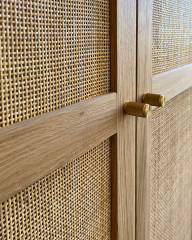
The custom joinery throughout the headquarters showcases bamboo's workability and design flexibility for bespoke applications. From storage systems to workstations to display elements, these installations demonstrate that bamboo can be fabricated to precise specifications for unique project requirements. Architects see the quality of fabrication possible, the consistency of material, and the aesthetic outcomes achievable with skilled craftsmanship.

The joinery details reveal how bamboo responds to different fabrication techniques, how it accepts various finishes, and how it can integrate with other materials in composite assemblies. This technical transparency helps architects and fabricators understand what's achievable with bamboo, reducing the uncertainty that often surrounds custom work with unfamiliar materials.

How Does This Project Influence the Industry?

By creating a permanent, accessible demonstration of structural bamboo in commercial application, we've provided the industry with an invaluable resource for overcoming the perception barriers that slow sustainable material adoption. The project operates on multiple levels simultaneously: proving technical feasibility, demonstrating aesthetic possibilities, validating regulatory pathways, and modelling circular design principles.

Establishing Precedent for Building Approvals

The successful completion and building certification of our bamboo-structured headquarters establishes regulatory precedent that benefits subsequent projects. Building certifiers can reference our approval when evaluating new bamboo proposals, reducing the need for each project to independently justify the material's acceptability. This precedent effect gradually normalises bamboo specification, making it no more complicated than selecting conventional materials.

The engineering documentation developed for our headquarters also becomes reference material for future projects, demonstrating calculation methodologies, load tables, and connection details that other engineers can adapt. This knowledge transfer accelerates the industry's technical capacity for bamboo design, building the expertise base necessary for widespread adoption.

Inspiring Architectural Imagination

Beyond technical validation, the headquarters inspires architectural imagination by demonstrating design possibilities that specifications alone cannot convey. Visitors leave with expanded understanding of what bamboo enables, often identifying applications they hadn't previously considered. This creative inspiration proves as valuable as technical confidence, as breakthrough innovations typically emerge when designers see familiar challenges through fresh material perspectives.

The space shows how bamboo's natural warmth and texture create inviting environments that cold industrial materials cannot replicate. In an era when biophilic design principles increasingly influence architecture, bamboo offers practical pathways for bringing natural materials into commercial and institutional spaces traditionally dominated by steel, concrete, and synthetic finishes.

What's Next for Structural Bamboo in Australia?

Our headquarters represents a beginning rather than conclusion. Each visitor who leaves inspired to specify bamboo, each project that references our precedent, and each designer who gains confidence through experiencing the space contributes to accelerating bamboo's transition from alternative to mainstream material. The conversations started within these bamboo-framed walls continue through projects across Australia and beyond.

We continue refining our understanding of bamboo's performance through daily occupation of the space. Lessons learned inform product development, technical recommendations, and support we provide to architects specifying bamboo for their projects. This feedback loop between demonstration project and commercial application ensures our advice stays grounded in real-world experience rather than theoretical projections.

The headquarters also positions House of Bamboo to support increasingly ambitious projects as industry confidence grows. Having proven bamboo's capabilities in our own building, we bring credible expertise to conversations about larger, more complex structural applications. As projects like Jed Long's prototype cabin and international precedents from Professor Yan Xiao and Neil Thomas MBE demonstrate what's possible, our headquarters provides local Australian reference point that makes global innovations feel achievable in domestic contexts.

Visit and Experience the Future of Sustainable Construction

We invite you to visit, explore the space, and consider what can be achieved when sustainability, performance, and design converge in genuine partnership rather than compromise. The headquarters is open for professional visits, CPD sessions, project consultations, and informal exploration. Contact us to arrange a visit that addresses your specific interests, whether structural systems, interior applications, acoustic performance, or comprehensive sustainable design approaches.

Experience bamboo not as abstract sustainability gesture but as practical building system performing across the applications your projects require. See how beams and lumber posts carry commercial loads. Walk on flooring that's withstood years of traffic. Touch joinery demonstrating fabrication quality. Listen to acoustic performance in occupied spaces. This multi-sensory engagement transforms understanding more effectively than any brochure or specification.

Explore our applications pages before or after your visit to understand the full range of bamboo products and uses. Review our projects gallery to see how other architects have successfully integrated bamboo across residential, commercial, and institutional contexts. Order samples to take away physical material references that support design development and client presentations.

The future of Australian construction must look different from its past if we're serious about addressing climate imperatives and resource limitations. Our headquarters demonstrates what that future can look like: beautiful, functional, sustainable spaces built from materials that regenerate rapidly and sequester carbon rather than depleting forests and emitting greenhouse gases. Visit us and discover how bamboo can transform your next project into a demonstration of what's possible when we build with nature rather than against it.

Visit and Experience Sustainable Construction’s Future
Image 1
Image 2
Image 3
Image 4
Image 5

Would you like to find out which product will meet your expectations?