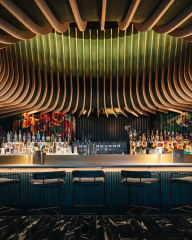
Last week, I had the pleasure of leading the Bamboo Society of Australia's groundbreaking Next Frontier Summit. The three-day, multi-city event marked a crucial turning point in positioning bamboo as a cornerstone of Australia's sustainable materials landscape, bringing together the expertise, research, and strategic thinking necessary to transform bamboo from emerging alternative to mainstream building material across residential, commercial, and institutional sectors.

Last week, I had the pleasure of leading the Bamboo Society of Australia's groundbreaking Next Frontier Summit. The three-day, multi-city event marked a crucial turning point in positioning bamboo as a cornerstone of Australia's sustainable materials landscape, bringing together the expertise, research, and strategic thinking necessary to transform bamboo from emerging alternative to mainstream building material across residential, commercial, and institutional sectors.
Drawing together engineers, architects, policy makers, researchers, and investors, the event was attended by several global experts, including Neil Thomas MBE from Atelier One and Professor Yan Xiao from Zhejiang University in China, the lead engineer on the world's first seven-storey mass bamboo building. This convergence of international expertise with Australian industry stakeholders created unprecedented opportunities for knowledge transfer, strategic planning, and collaborative problem-solving around bamboo adoption challenges.
The summit represented the first comprehensive attempt to coordinate bamboo development across Australia's fragmented construction industry, bringing alignment to efforts that had previously proceeded independently without strategic coordination. By uniting diverse stakeholders around shared objectives, the event catalysed momentum that individual organisations could never generate alone, regardless of their commitment or resources.
The participation of internationally recognised experts like Thomas and Xiao brought credibility and technical depth that elevated discussions beyond local perspectives. Their presentations shared lessons from international bamboo projects, demonstrated proven structural systems, and provided engineering validation that Australian building certifiers and structural engineers need for confident bamboo specification. This global knowledge transfer compressed the learning curve that Australian adoption would otherwise require, importing decades of accumulated expertise rather than rediscovering it independently.
The summit was an opportunity for industry leaders to endorse a comprehensive 10-year roadmap integrating structural bamboo into Australian construction, reforestation, and climate strategies. This roadmap establishes clear milestones, assigns responsibilities across stakeholder groups, and creates accountability mechanisms ensuring sustained progress rather than episodic enthusiasm. The 10-year timeframe acknowledges that transforming an industry's material practices requires sustained effort while remaining ambitious enough to drive urgency.
Industry leaders had a platform to discuss important issues such as regulatory certification, scaling and production, investment and funding, and market awareness, creating defined strategies to help the bamboo movement make inroads in Australia. These discussions moved beyond general advocacy to specific, actionable initiatives addressing the concrete barriers that currently slow bamboo adoption.
Regulatory certification emerged as the most immediate barrier requiring coordinated action. Australia's building codes and standards were developed around timber, steel, and concrete, creating frameworks that don't readily accommodate bamboo's unique characteristics. The summit participants committed to collaborative engagement with Standards Australia and building certification bodies, providing technical data and engineering expertise necessary for developing bamboo-specific standards.
The pathway forward involves multiple parallel efforts: compiling existing international bamboo standards, conducting Australian-specific testing to validate performance under local conditions, developing design tables and calculation methodologies for structural engineers, and engaging building certifiers early in the standards development process. This comprehensive approach addresses not just technical requirements but also the practical realities of how building approvals work in Australian regulatory contexts.
Professor Yan Xiao's experience developing bamboo codes internationally provided invaluable guidance on effective approaches, potential pitfalls, and realistic timelines for standards development. His willingness to share engineering methodologies and testing protocols accelerates Australia's progress significantly, avoiding the need to develop everything from first principles.
Current bamboo supply chains serving the Australian market remain relatively small-scale, adequate for niche applications but insufficient for mainstream adoption. Scaling production requires coordinated investment in processing facilities, quality control systems, inventory management, and logistics networks capable of delivering consistent material to construction sites across Australia's vast geography.
The summit discussions identified opportunities for Australian bamboo cultivation, potentially reducing dependence on imported materials while creating agricultural diversification opportunities for regional communities. While Australia's climate suits bamboo growth in many regions, establishing commercial plantations requires careful species selection, agronomic research, and processing infrastructure development. The 10-year roadmap allocates early years to pilot cultivation projects that can inform larger-scale agriculture development.
Manufacturing capacity represents another scaling challenge. Engineered bamboo products like our beams and lumber posts require sophisticated processing equipment and skilled operators. The roadmap envisions staged capacity expansion matching market growth, avoiding oversupply while ensuring material availability doesn't constrain demand. Strategic partnerships with existing manufacturers, potentially including international producers with established expertise, can accelerate capability development.
Transforming bamboo from niche to mainstream requires substantial capital investment across cultivation, manufacturing, research, standards development, and market development. The summit explored diverse funding mechanisms including government infrastructure grants, private equity investment, research grants, sustainability-focused development finance, and industry consortium funding models.
Participants recognised that bamboo investment pitches must emphasise commercial viability alongside environmental benefits. While sustainability credentials attract certain investor categories, mainstream construction industry adoption requires demonstrating competitive cost structures, reliable supply chains, and risk-adjusted returns comparable to conventional materials. The roadmap includes initiatives developing robust business cases, financial projections, and risk mitigation strategies that address investor concerns.
Government engagement emerged as crucial, with opportunities to align bamboo development with existing climate policy objectives, regional development programmes, and construction industry sustainability mandates. By positioning bamboo as solution to multiple policy challenges simultaneously, proponents can access diverse funding sources while building political support for regulatory changes supporting adoption.
Even when technical and supply barriers dissolve, inertia and unfamiliarity will constrain bamboo adoption unless architects, engineers, developers, and building owners understand the material's capabilities and see evidence of successful application. The summit committed to coordinated market development initiatives including CPD training programmes, demonstration projects, case study documentation, technical publications, and industry conference presentations.
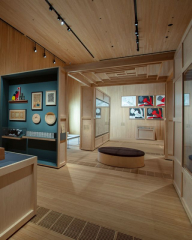
House of Bamboo's Sydney headquarters featured prominently in these discussions as a key educational resource demonstrating structural bamboo in functional commercial application. Our showroom provides the tangible proof that shifts perceptions more effectively than any marketing campaign, showing professionals that bamboo genuinely performs across applications their projects require. The roadmap envisions additional demonstration projects across different building typologies and Australian climate zones, building a comprehensive reference library for the industry.
Digital resources including technical guides, specification templates, detail libraries, and project case studies will make bamboo knowledge readily accessible to busy design professionals who lack time for extensive research. By removing friction from the specification process, these resources accelerate adoption among architects open to sustainable materials but uncertain how to proceed practically.
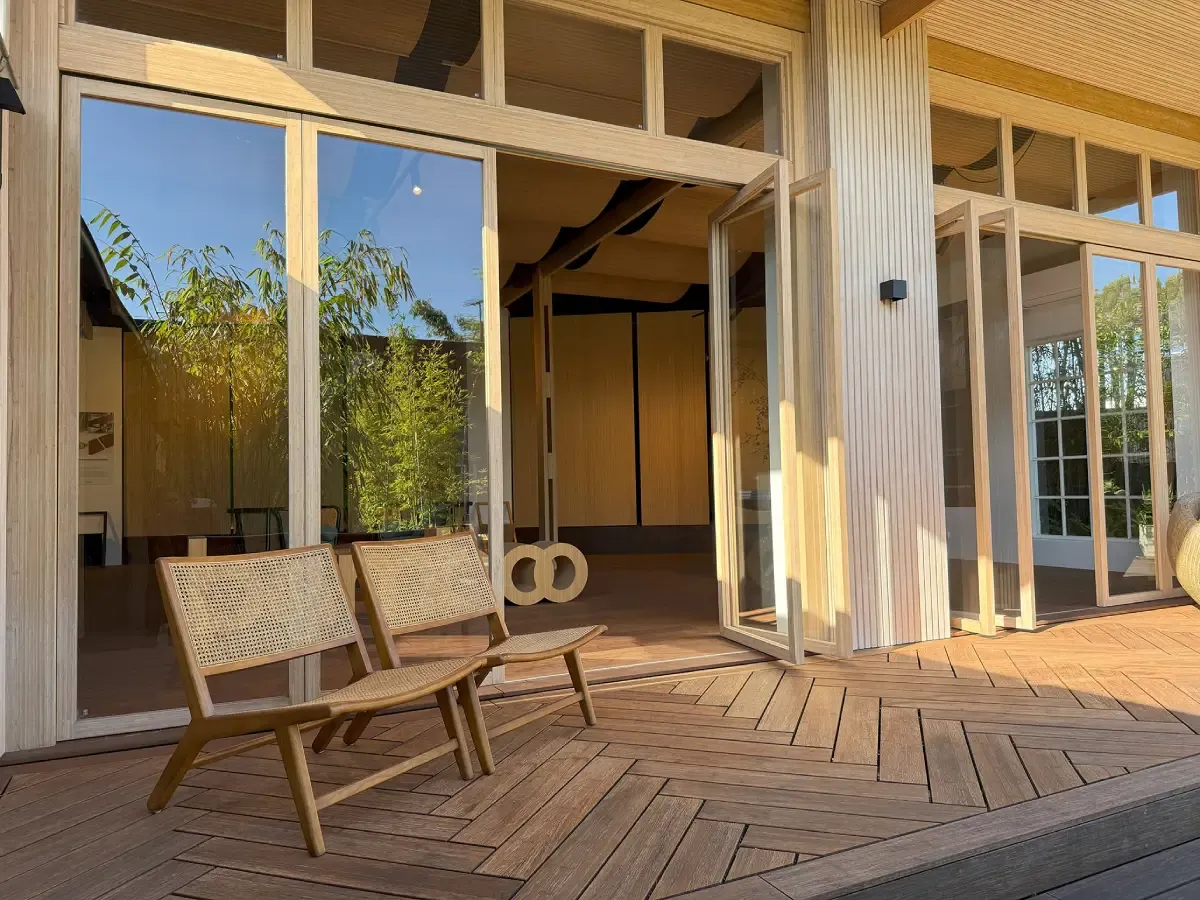
As I reflect on the event, I was humbled and proud to witness the recognition House of Bamboo has earned as a pioneer in this field, acknowledged by international experts and Australian industry leaders alike. It was a powerful reminder of the impact our team has made over more than five decades of commitment to bamboo materials and sustainable building practices. A testament to this is our Sydney showroom, a building carefully curated to inspire, educate, and showcase what bamboo can truly achieve in contemporary commercial architecture.
House of Bamboo continues to lead with innovative, sustainable design solutions that outperform many timber alternatives and tread more lightly on the planet. Our longevity in the bamboo industry provides institutional knowledge and market understanding that newer entrants cannot easily replicate. This depth of experience informs every aspect of our operations, from product development priorities to technical support approaches to strategic industry engagement.
Our role extends beyond material supply to encompass technical education, design consultation, standards development participation, and industry advocacy. This comprehensive engagement reflects our understanding that bamboo's success requires transforming not just material availability but entire industry ecosystems including education systems, regulatory frameworks, professional practices, and cultural perceptions about what materials belong in quality construction.
The products we've developed over decades, from our SeaChange Series and Symphony Series engineered systems to our natural bamboo poles and Natureed fencing, represent sustained innovation responding to emerging architectural needs and construction methodologies. Each product line reflects deep understanding of both material capabilities and designer requirements, creating solutions that work technically while inspiring creative application.
You can see the results of our work in visionary projects such as The First Building in Western Sydney and Amphora at Melbourne's Marvel Stadium. These projects prove what is possible when engineered bamboo meets bold architectural ambition, creating landmarks that communicate sustainability values while performing reliably across functional requirements. Each project becomes educational resource, showing architects and developers that bamboo enables distinctive design expression without compromising on performance or durability.
The First Building particularly exemplifies how bamboo can anchor major architectural statements, creating instantly recognisable identity through material choice while demonstrating environmental leadership. Its visibility in a major urban development context positions bamboo as material for mainstream projects rather than exclusively niche or alternative applications. Thousands of people encountering the building daily receive subliminal education about bamboo's viability, gradually normalising its presence in Australian architecture.
Amphora at Marvel Stadium demonstrates bamboo's suitability for high-profile commercial and entertainment contexts where material performance faces intense scrutiny. The project's success in such demanding circumstances builds confidence among risk-averse developers and building owners who might otherwise dismiss bamboo as suitable only for less demanding applications. These precedent-setting projects create permission structures that make subsequent bamboo specifications incrementally easier.
The Next Frontier Summit has ignited a new chapter for bamboo in Australia, transforming fragmented individual efforts into coordinated movement with clear objectives and shared accountability. Now is the time to harness global momentum and elevate this extraordinary material into the mainstream of design and construction, leveraging international expertise and Australian innovation to accelerate adoption timelines.
The roadmap's first phase focuses on removing immediate barriers through standards development, demonstration projects, and educational initiatives. Within two years, participants aim to have draft Australian bamboo standards circulating for industry comment, multiple demonstration projects under construction across different building typologies, comprehensive technical resources available to design professionals, and substantially expanded CPD training programmes reaching architects and engineers nationwide.
These near-term wins build momentum while establishing foundations for longer-term transformation. Early demonstration projects provide case studies for subsequent adopters. Initial standards drafts, even if incomplete, give building certifiers frameworks for evaluating bamboo proposals. Educational resources reduce the knowledge barriers that currently slow specification among professionals intrigued by bamboo but uncertain how to proceed.
Years three through seven emphasise capacity building across supply chains, manufacturing, professional expertise, and market development. This phase envisions Australian bamboo cultivation reaching commercial scale in suitable regions, domestic processing capacity expanding to reduce import dependence, structural engineering expertise with bamboo becoming common rather than rare, and bamboo specification becoming routine rather than exceptional among sustainability-focused architects.
Market share goals during this phase remain modest by conventional material standards but ambitious for bamboo, targeting penetration in specific application categories like interior fit-outs, landscape structures, and façade systems before expanding into more conservative structural markets. This staged approach builds success stories and industry confidence incrementally rather than attempting wholesale transformation that might generate backlash or quality concerns.
By year ten, the roadmap envisions bamboo occupying a natural place in architectural material palettes, specified routinely alongside timber, steel, and masonry without requiring special justification or unusual expertise. Building codes would accommodate bamboo as straightforwardly as conventional materials. Supply chains would deliver consistent material nationwide. Multiple Australian manufacturers would produce diverse engineered bamboo products. Universities would include bamboo in architecture and engineering curricula as standard material option rather than specialty topic.
This vision isn't utopian fantasy but realistic projection based on international precedent and current trajectory. Markets like China and several Southeast Asian countries have achieved this normalisation, demonstrating it's possible when strategic coordination supports material development. Australia's sophisticated construction industry, strong sustainability commitments, and established green building sector create favourable conditions for relatively rapid bamboo adoption if coordinated effectively.
The roadmap's success depends on practicing architects and designers increasingly incorporating bamboo into projects, creating demand that justifies supply chain investment while building the case study library that convinces subsequent adopters. Individual professionals may feel their single projects make negligible impact, but collective adoption across many practitioners creates the market transformation that strategic planning envisions.
Begin by identifying appropriate applications where bamboo offers clear advantages: projects with explicit sustainability mandates, interiors where natural materials enhance occupant experience, landscape elements where bamboo's aesthetic qualities shine, or facades where distinctive material character creates architectural identity. These contexts set projects up for success while building your confidence and expertise for more ambitious future applications.
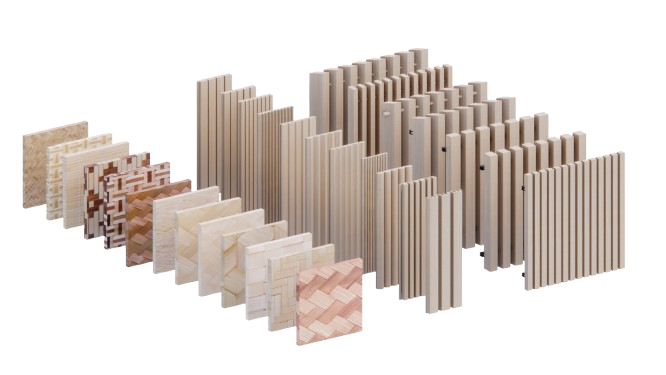
Our applications pages provide comprehensive overview of bamboo's versatility across facades, walls and cladding, acoustic treatments, flooring, ceiling systems, fencing and screening, and interior applications. Reviewing these resources helps identify opportunities aligned with your current projects and interests. Each successful project builds expertise, establishes precedent within your practice, and creates reference that makes subsequent bamboo specifications easier.
Take advantage of educational resources including our CPD training sessions, technical consultations, and showroom visits. The knowledge gained accelerates your comfort with bamboo specification while reducing perceived risks. Understanding material properties, appropriate applications, detailing requirements, and specification language transforms bamboo from unknown variable to manageable design element.
Contact our technical team early in design development for project-specific guidance addressing your particular requirements and concerns. This consultation can identify optimal bamboo applications for your project, suggest products meeting performance criteria, provide engineering data supporting structural calculations, and connect you with fabricators and installers experienced in bamboo construction. Early engagement prevents design directions that bamboo cannot practically serve while ensuring detailing supports long-term performance.
Share completed bamboo projects through professional publications, conference presentations, and social media, contributing to the case study library that educates peers and builds industry confidence. Documented projects prove more persuasive than abstract advocacy, showing real buildings performing across actual conditions rather than theoretical capabilities. Your willingness to share lessons learned, including challenges encountered, accelerates collective learning and prevents others from repeating avoidable mistakes.
Participate in industry discussions around bamboo standards development, building codes, and best practices. Professional associations need informed practitioner perspectives to complement research and policy viewpoints. Your practical experience with bamboo specification, construction coordination, and long-term performance observation provides invaluable input for developing standards and guidelines that work in real-world practice rather than just laboratory conditions.
The Next Frontier Summit established ambitious but achievable vision for bamboo in Australian construction. The roadmap provides clear direction. International expertise offers proven methodologies. Industry commitment creates momentum. Now the movement needs practicing architects, designers, engineers, and builders incorporating bamboo into projects, transforming strategic planning into built reality.
Explore how House of Bamboo can support your participation in this transformation. Visit our Sydney headquarters to experience structural bamboo performing in commercial application. Review our projects gallery for inspiration and precedent. Order samples for your current projects. Contact our team to discuss how bamboo can enhance your designs while advancing sustainability goals.
The next decade will determine whether bamboo achieves its potential as cornerstone of Australian sustainable construction or remains perpetual alternative. Your projects, your specifications, and your advocacy make that determination. Join the movement transforming how Australia builds. Specify bamboo. Build the next frontier.