Why Bamboo Is Earth's Best Building Material: A Guide to Sustainable Construction

 Bamboo Is Earth's Best Building Material

Earth Day serves as an annual reminder that every design decision carries environmental consequence. For architects, interior designers, and conscious homeowners seeking materials that genuinely invest in planetary health, bamboo represents more than a sustainable alternative—it's a regenerative solution that actively improves the ecosystems it touches.

Bamboo as a True Planet Investment
Bamboo Harvesting Protecting Forest Ecosystems
Bamboo vs Timber Performance in Construction
Bamboo Supporting Biophilic Design and Wellness
Practical Applications for Residential Projects
Specifying Bamboo Successfully in Design
Environmental Certifications for Bamboo Specification
Bamboo Supporting Circular Economy Principles
Real-World Projects Showcasing Bamboo’s Potential
Experiencing Bamboo Before Specification
Choosing Bamboo for Your Next Project

Why Does Bamboo Represent a True Investment in Our Planet?

The concept of investing in our planet extends beyond reducing harm. It requires materials that actively contribute to ecosystem health while delivering the performance modern construction demands. Bamboo fulfills this requirement in ways that conventional timber cannot match, offering environmental benefits that compound throughout its lifecycle.

The Science Behind Bamboo's Carbon Performance

This fast-growing grass produces approximately 35% more oxygen than an equivalent stand of trees. More remarkably, it sequesters up to four times more carbon dioxide than traditional hardwood species. This exceptional carbon storage capacity positions bamboo as one of nature's most efficient tools for atmospheric carbon reduction. For the building industry confronting its substantial carbon footprint, this makes bamboo an increasingly attractive specification choice.

Minimal Resource Requirements for Growth

Bamboo thrives with minimal intervention. Unlike conventional timber species, it requires virtually no pesticides or synthetic fertilizers, drawing surprisingly little water from soil systems. Its extensive rhizome network actively prevents soil erosion while improving soil structure and nutrient cycling. While hardwood trees require 20 to 30 years to reach maturity, bamboo achieves harvest readiness in as little as three to five years, creating a genuinely renewable resource.

How Does Bamboo Harvesting Protect Forest Ecosystems?

Traditional timber harvesting requires removing entire trees from forest systems, even when conducted according to sustainable forestry principles. Each harvest creates gaps in the canopy, disrupts soil structure, and necessitates replanting. Bamboo's unique growth pattern offers a fundamentally different approach that preserves ecosystem continuity throughout the harvest cycle.

Selective Harvesting Without Replanting

When bamboo culms reach maturity, they're selectively harvested by hand while the root system remains completely intact. This underground rhizome network immediately begins producing new shoots. There's no need for replanting, no disruption to soil structure, and no gap in the forest canopy. The bamboo grove remains a living, functioning ecosystem, continuing to provide habitat for wildlife and regulate water systems.

Low-Impact Transportation Methods

Because bamboo can be harvested without heavy machinery, the carbon footprint of extraction remains minimal. Many bamboo producers use traditional methods like hand tools, carts, and even horse-drawn transport that eliminate diesel emissions associated with industrial forestry equipment. The contrast with clear-felling practices is stark—while timber harvesting often leaves landscapes denuded and vulnerable to erosion, bamboo forests maintain their ecological functions continuously.

Can Bamboo Match Timber's Performance in Construction?

Modern bamboo engineering has transformed this traditional material into a sophisticated building product that exceeds timber in several critical performance metrics. The question isn't whether bamboo can replace timber, but rather where it performs better across various residential and commercial applications.

Strength and Structural Capabilities

Bamboo's tensile strength rivals steel, making it exceptional for load-bearing applications. Its strength-to-weight ratio surpasses most timber species, offering structural performance while reducing overall building weight. This proves particularly valuable in seismic regions where lighter structures perform better during earthquakes. Architects increasingly recognize these structural advantages when specifying materials for challenging environments.

Versatile Product Applications

House of Bamboo's product range demonstrates bamboo's versatility across diverse projects. Bamboo flooring delivers durability that matches or exceeds hardwood while offering distinctive grain patterns and natural warmth. For outdoor spaces, bamboo decking withstands exposure remarkably well with proper treatment, providing weather resistance comparable to premium timber options.

Exterior and Interior Design Solutions

For facades and cladding, bamboo brings both aesthetic distinction and practical performance. Its natural moisture resistance and dimensional stability suit external applications where appearance and longevity matter equally. The material's innate beauty features distinctive nodes and varied grain patterns that create visual interest synthetic materials cannot replicate.

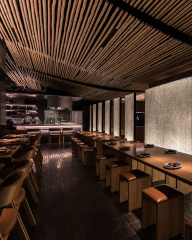
Interior applications reveal bamboo's design flexibility further. Ceiling treatments soften acoustics while adding natural warmth to spaces. Bespoke joinery showcases the material's workability across custom applications. Acoustic panels manage sound reflections while introducing organic texture, turning technical requirements into design opportunities that enhance both performance and aesthetics.

How Does Bamboo Support Biophilic Design and Wellness?

Biophilic design, the practice of connecting building occupants with nature, has moved from trend to essential design principle. Bamboo naturally supports biophilic objectives while delivering measurable wellness benefits that architects and interior designers increasingly prioritize for their clients and projects.

Authentic Natural Materials in Built Environments

The material's organic texture, visible growth patterns, and subtle color variations create visual connections to natural systems. Unlike synthetic materials that mimic nature, bamboo brings authentic biological presence into built environments. This authenticity matters to occupants, who respond physiologically to genuine natural materials differently than to imitations, creating measurable improvements in comfort and satisfaction.

Documented Wellness Benefits

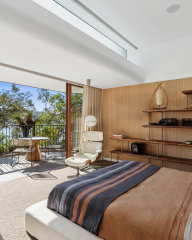
Research demonstrates that natural materials in interior environments reduce stress markers, improve cognitive function, and enhance overall wellbeing. Bamboo's warm tones and tactile qualities contribute to these effects while offering practical advantages. Its natural acoustic properties help control sound in open-plan spaces, creating environments that feel both connected and comfortable. The material's versatility allows designers to incorporate biophilic principles at multiple scales, from extensive bamboo wall cladding to selective interior decor elements.

What Are the Practical Applications for Residential Projects?

Homeowners considering bamboo for residential projects often wonder about practical performance in everyday use. Understanding how bamboo handles common residential demands demonstrates its viability across diverse home improvement applications, from simple updates to comprehensive renovations.

High-Performance Flooring Solutions

For flooring, bamboo's hardness typically exceeds that of oak, providing excellent wear resistance in high-traffic areas. Its moisture resistance makes it suitable for most interior locations, though it should not be installed in areas subject to standing water. Proper installation over appropriate subfloors ensures long-term performance matching or exceeding conventional hardwood floors. This durability makes bamboo flooring an investment that serves homeowners for decades without compromising sustainability goals.

Outdoor Privacy and Screening

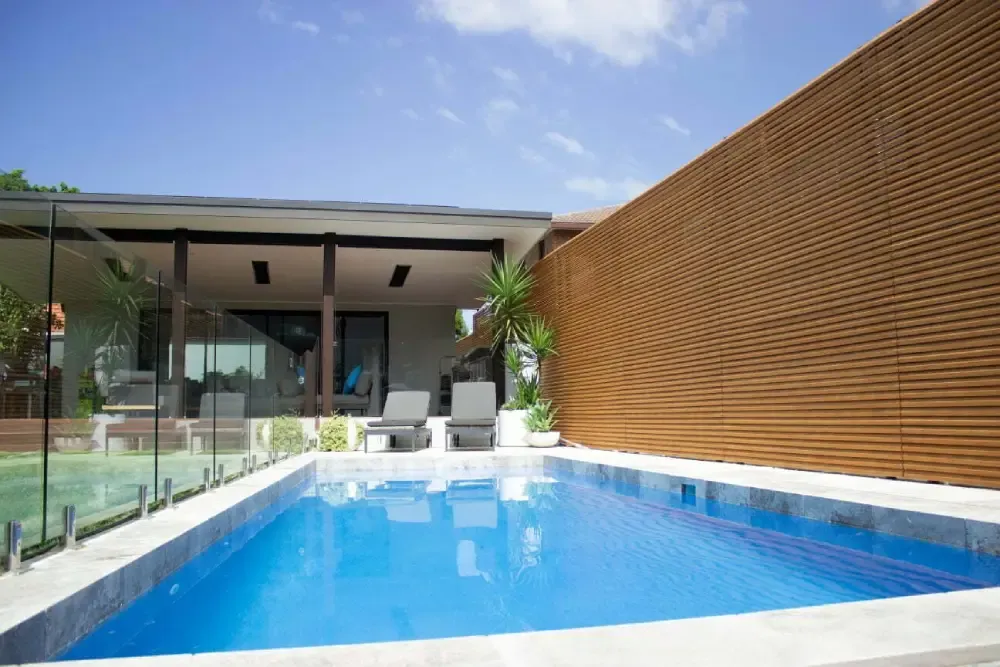
Bamboo fencing and screening offers privacy solutions that combine functionality with aesthetic appeal. The material's natural resistance to weathering, when properly treated, provides durability in outdoor exposure. Options range from solid panels for maximum privacy to spaced designs that allow air circulation and filtered light. For properties with swimming pools, pool-compliant fencing demonstrates bamboo's suitability for regulated applications, meeting safety requirements while delivering the natural beauty that enhances landscape design.

Decking and Outdoor Living Spaces

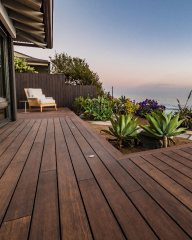
Bamboo decking creates outdoor platforms that connect interior and exterior environments seamlessly. Its warm appearance and comfortable temperature underfoot make it pleasant in Australia's climate. Unlike metal or composite alternatives that become uncomfortably hot during summer months, bamboo remains cooler to the touch, enhancing comfort for barefoot traffic on decks and patios. This practical advantage combines with bamboo's aesthetic appeal to create outdoor living spaces that invite use throughout the year.

Climate Control Through Natural Shading

Bamboo blinds and shading provide solar control that reduces cooling loads while adding organic texture to facades. This functional contribution to energy efficiency complements bamboo's inherent sustainability. The environmental benefits multiply throughout a building's operational life as reduced energy consumption combines with the material's embodied carbon benefits, creating comprehensive sustainability outcomes that extend far beyond initial material selection.

How Do Architects and Designers Specify Bamboo Successfully?

Professional specification requires understanding bamboo's characteristics and application requirements. While bamboo shares some properties with timber, it demands consideration of its unique qualities to ensure successful project outcomes that satisfy both design intent and performance requirements.

Understanding Performance Requirements

Start by clarifying the application's performance requirements. Structural applications require engineered bamboo products with documented load ratings and compliance with relevant building codes. Bamboo decking must meet slip resistance standards and demonstrate appropriate weather resistance for outdoor exposure across various climate zones. This technical foundation ensures that aesthetic preferences don't compromise safety or durability in completed projects.

Selecting Appropriate Finishes

Finish selection significantly impacts both appearance and durability. Natural bamboo finishes showcase the material's inherent beauty but may require periodic maintenance in high-use areas. Factory-applied finishes provide enhanced protection while maintaining the organic aesthetic that makes bamboo desirable for design-conscious projects. Understanding the trade-offs between maintenance requirements and appearance helps guide appropriate specification decisions.

Installation Best Practices

Understanding bamboo's movement characteristics helps prevent installation issues. Like timber, bamboo responds to humidity changes, though its dimensional stability often exceeds many timber species. Proper acclimatization before installation and appropriate expansion joints ensure long-term performance without warping or gapping. These details, while technical, prove critical for achieving the durability that clients expect.

Professional Development Resources

House of Bamboo's CPD training sessions provide architects with detailed technical knowledge for specification. These accredited programs cover material properties, installation best practices, and design considerations, equipping professionals to specify bamboo with confidence on complex projects. For projects requiring customization, bespoke joinery services translate design intent into bamboo reality, ensuring that bamboo's unique properties inform rather than limit design possibilities.

What Environmental Certifications Support Bamboo Specification?

Green building certifications increasingly recognize bamboo's environmental credentials, making it a strategic choice for projects pursuing LEED, Green Star, or similar sustainability frameworks. Understanding how bamboo contributes to certification requirements helps architects and designers maximize their projects' environmental performance ratings.

Contributing to Multiple Certification Criteria

Bamboo contributes to multiple certification criteria simultaneously. Its renewable harvest cycle and carbon sequestration capacity address material sourcing requirements effectively. The low-impact harvesting process reduces embodied energy compared to conventional timber products. VOC-free finishes and natural composition support indoor air quality objectives that affect occupant health, creating comprehensive benefits across environmental performance categories.

Documentation and Verification Requirements

Documenting these benefits requires proper material specification and sourcing verification. Reputable suppliers provide documentation of harvest practices, processing methods, and environmental performance data. This transparency allows project teams to substantiate claims when pursuing certification points across various rating systems, ensuring that environmental benefits claimed can be verified through proper chain-of-custody documentation.

Lifecycle Performance Benefits

The material's longevity also factors into lifecycle assessments. When properly specified and installed, bamboo products deliver service lives comparable to or exceeding conventional alternatives. This durability extends the time before replacement becomes necessary, reducing long-term environmental impact and lifecycle costs. House of Bamboo's sustainability practices align with these certification frameworks, providing the documentation and traceability that green building programs require.

How Does Bamboo Support Circular Economy Principles?

The building industry's transition toward circular economy models requires materials that can be grown, used, and returned to biological systems without generating waste or pollution. Bamboo naturally aligns with these regenerative principles that forward-thinking designers increasingly prioritize in their material selection processes.

Regenerative Growth Systems

Unlike materials requiring energy-intensive extraction and processing, bamboo grows rapidly using solar energy, atmospheric carbon, and minimal water. Its cultivation improves rather than degrades growing sites, creating ecosystem benefits that extend beyond simple material production. This regenerative approach represents a fundamental shift from extractive material models that deplete finite resources.

End-of-Life Biodegradability

At end-of-life, untreated bamboo products return to biological cycles through composting or natural decomposition. This biodegradability contrasts sharply with synthetic materials that persist in landfills for generations. Even treated bamboo products often use finishes that allow eventual biological breakdown, particularly when specified with circular economy outcomes in mind. This complete lifecycle perspective distinguishes truly sustainable materials from those offering only incremental improvements.

Durability and Maintenance Cycles

The material's durability extends useful life while its repairability supports maintenance rather than replacement. Bamboo flooring can often be refinished multiple times before replacement becomes necessary, maximizing service life while minimizing resource consumption throughout the building's operational period. This approach to material longevity demonstrates how intelligent specification decisions compound environmental benefits over time.

What Real-World Projects Showcase Bamboo's Potential?

Seeing bamboo's performance in completed projects helps architects and designers understand its practical applications and aesthetic possibilities. House of Bamboo's projects demonstrate the material's versatility across diverse building types, design styles, and functional requirements that reflect real-world constraints and opportunities.

Hospitality and Commercial Applications

The Merricks General Wine Store showcases bamboo cladding creating a striking facade that balances contemporary design with natural warmth. The material's weather resistance and distinctive appearance make it ideal for hospitality projects seeking memorable visual impact while maintaining sustainability credentials. This project demonstrates how bamboo performs in high-visibility commercial applications where appearance and durability must coexist.

Residential Design Excellence

For residential applications, the Point Lonsdale Beach House demonstrates bamboo's ability to create seamless indoor-outdoor connections. Bamboo decking extends living spaces into the landscape, while interior bamboo elements bring organic texture throughout the home. The project exemplifies how bamboo supports coastal living's relaxed aesthetic while withstanding demanding environmental conditions including salt exposure and intense UV radiation.

Workplace Environments

Commercial projects like the Fitzroy North Office highlight bamboo's professional applications. Bamboo ceiling treatments and wall panels create sophisticated work environments that support employee wellbeing through biophilic design principles. The material's acoustic properties prove particularly valuable in open-plan office layouts where sound management affects productivity and employee satisfaction.

Educational Facility Applications

Educational facilities also benefit from bamboo's properties. The Geelong Grammar School project incorporates bamboo elements that teach students about sustainable materials while creating inspiring learning environments. These installations demonstrate to future generations that environmental responsibility and design excellence need not conflict, providing tangible examples of sustainable design principles in action.

How Can You Experience Bamboo Before Specifying?

Understanding bamboo through description differs significantly from experiencing its tactile and visual qualities directly. Taking time to evaluate physical samples and visit completed installations builds confidence in specification decisions and helps communicate bamboo's benefits to clients who may be unfamiliar with the material.

Sample Testing and Evaluation

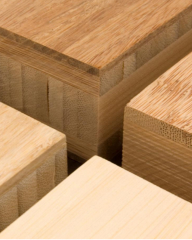
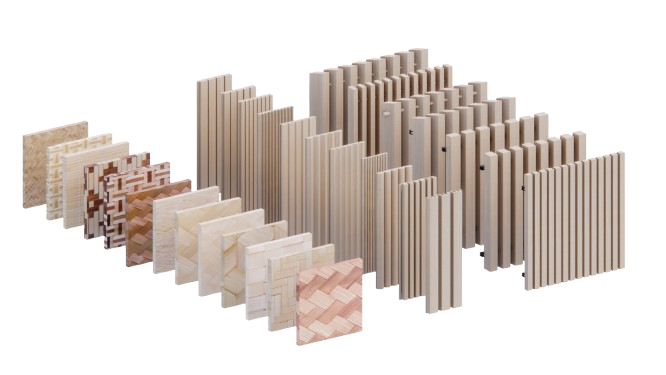
Ordering samples provides opportunity to assess bamboo against other materials under consideration. Comparing weight, feel, and appearance in actual project lighting conditions helps designers make informed decisions that balance aesthetic intent with practical requirements. This hands-on evaluation proves especially valuable when presenting options to clients, allowing them to experience the material's qualities directly rather than relying solely on photographs or descriptions.

Learning from Completed Installations

For larger projects, visiting completed installations offers insight into how bamboo performs over time and how it ages in various applications. House of Bamboo's projects showcase diverse applications across residential, commercial, and institutional settings, demonstrating the material's versatility and long-term appearance under real-world conditions. These site visits reveal details about weathering, maintenance requirements, and aesthetic evolution that specifications alone cannot convey.

Expert Consultation and Support

Consulting with experienced specifiers accelerates the specification process by drawing on accumulated knowledge about what works in various applications. House of Bamboo's design consultants bring decades of experience matching bamboo products to project requirements, helping navigate options and avoid potential complications. Contact with knowledgeable specialists ensures architects and designers specify confidently, supported by technical expertise that reduces project risk.

Why Choose Bamboo for Your Next Project?

Every material choice represents an investment decision that extends beyond immediate project requirements. Understanding what that investment supports helps designers and homeowners make choices aligned with their values and project goals.

Five Decades of Bamboo Expertise

Since 1972, House of Bamboo has been investing in our planet's most remarkable plant. That five-decade commitment reflects deep understanding of bamboo's properties, applications, and potential to transform how we build. The expertise accumulated over those years ensures that clients receive guidance grounded in real-world experience across thousands of projects.

Making the Sustainable Choice

Choosing bamboo means choosing a material that gives back more than it takes. It means specifying products that actively sequester carbon while they grow, that harvest without harming forest ecosystems, and that bring natural beauty into built environments. For architects and designers committed to sustainability, and for homeowners who want their projects to reflect environmental values, bamboo offers a path forward that doesn't compromise on performance or aesthetics.

Take the Next Step

Whether you're considering updating fencing, installing feature walls, specifying new flooring, or designing complex commercial facades, bamboo provides solutions that work. Order samples to experience the material's quality firsthand. Explore projects to see its versatility in action. Contact the House of Bamboo team to discuss your specific requirements and discover how bamboo can transform your next project while investing in our planet's future.

Image 1
Image 2
Image 3
Image 4
Image 5

Would you like to find out which product will meet your expectations?