The construction industry stands at a critical crossroads. While fashion brands make headlines for adopting sustainable practices, the building sector quietly accounts for 11% of global greenhouse gas emissions. Three materials alone—concrete, steel, and aluminum—contribute 23% of total global emissions. For architects and designers committed to meaningful climate action, the solution lies not in incremental improvements to conventional materials, but in fundamentally rethinking what we build with.

The construction industry stands at a critical crossroads. While fashion brands make headlines for adopting sustainable practices, the building sector quietly accounts for 11% of global greenhouse gas emissions. Three materials alone—concrete, steel, and aluminum—contribute 23% of total global emissions. For architects and designers committed to meaningful climate action, the solution lies not in incremental improvements to conventional materials, but in fundamentally rethinking what we build with.
The urgency for systemic change in construction has never been clearer. While other industries gradually adopt sustainable practices, the building sector's environmental impact demands immediate, transformative action. Biomaterials offer a path forward that doesn't just reduce harm—it actively reverses environmental damage.
Plant-based building materials possess an advantage that synthetic alternatives cannot match: they sequester atmospheric carbon dioxide rather than emitting it during production. This fundamental difference transforms buildings from carbon liabilities into carbon assets.
When you specify bamboo cladding or hempcrete walls, you're not simply choosing a "less bad" option. You're selecting materials that captured carbon from the atmosphere as they grew. The transition from conventional materials to biomaterials represents recognition that sustainable timber, while better than concrete or steel, represents yesterday's solution.
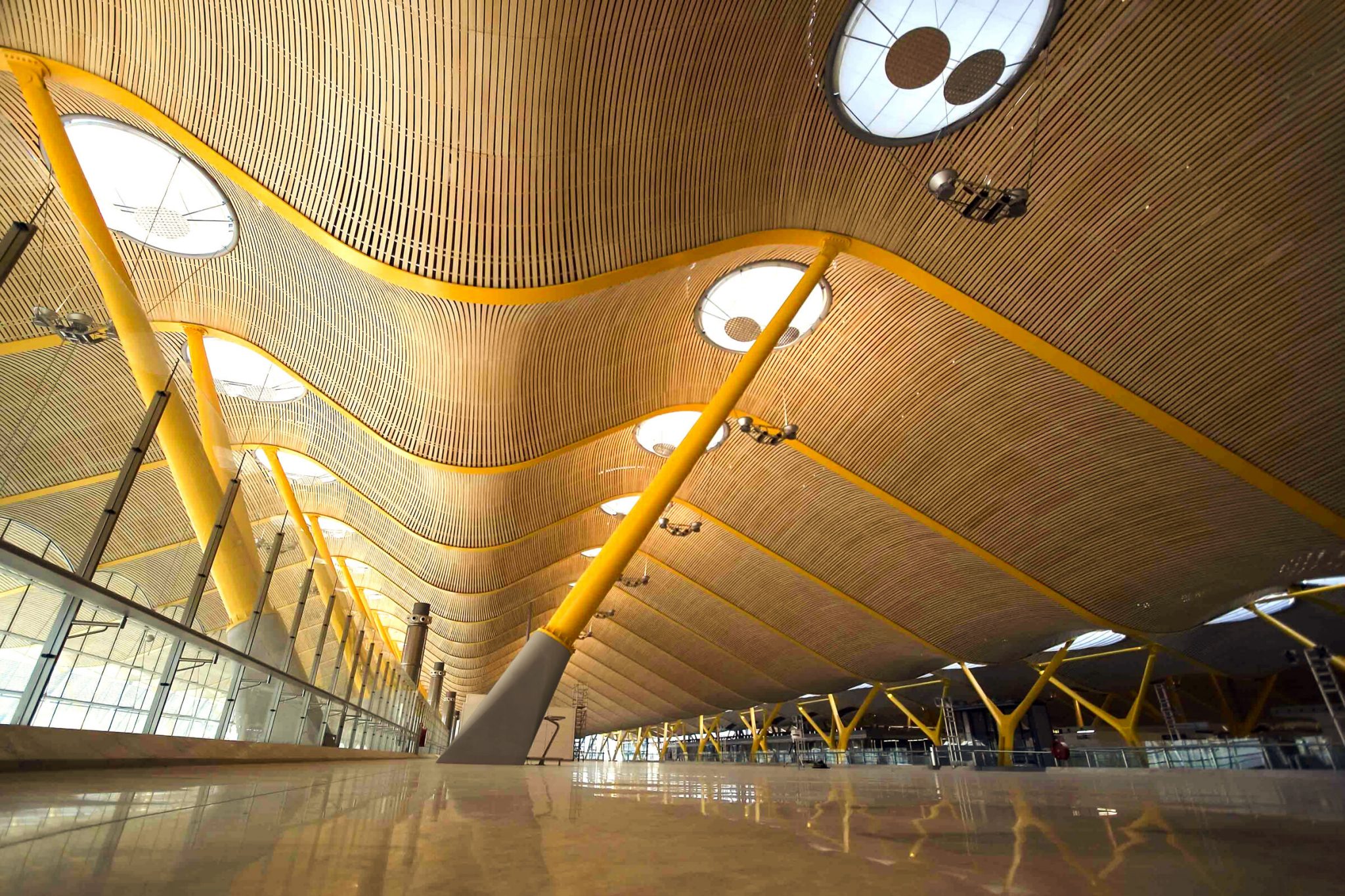
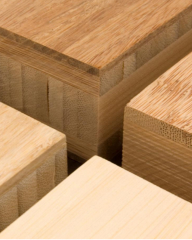
Bamboo's transformation from traditional craft material to engineered building product demonstrates biomaterial innovation at its finest. Modern processing techniques have evolved bamboo far beyond its original tubular form into timber-like products that outperform most hardwoods across critical metrics.
The material's structural capabilities challenge preconceptions about plant-based building materials. Bamboo's tensile strength rivals steel, while its compression strength matches concrete. This combination delivers durability that exceeds conventional timber while maintaining the workability that makes natural materials desirable.
These performance characteristics stem from bamboo's unique cellular structure. Dense fiber bundles running through the culm create exceptional strength-to-weight ratios. Engineers increasingly recognize these properties, though current building codes haven't fully caught up in many jurisdictions.
Bamboo's environmental credentials extend beyond structural performance. Contrary to trees requiring 20 to 30 years to reach maturity, bamboo achieves harvest readiness in five to seven years. This accelerated growth cycle creates genuine renewability that conventional forestry cannot match.
The carbon math proves compelling. Bamboo produces 35% more oxygen than equivalent tree stands while storing up to four times more carbon dioxide. Every square meter of bamboo flooring or facades and cladding represents captured atmospheric carbon sequestered in your project.
Because bamboo is technically a grass rather than wood, regulatory frameworks haven't yet approved it for all structural applications. However, everything cosmetic traditionally made in timber can now be made in bamboo—often with superior results.
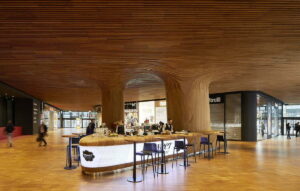
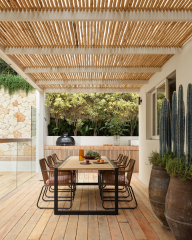
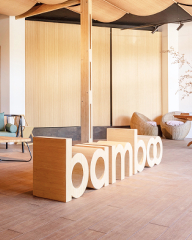
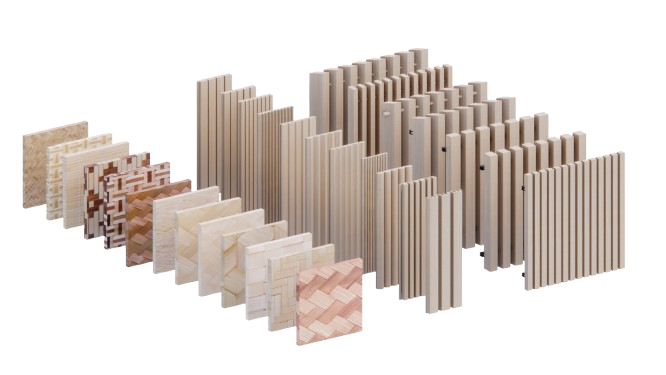
Bamboo flooring, bamboo decking, fencing and screening, and blinds and shading all demonstrate the material's aesthetic and functional versatility. House of Bamboo's product range showcases these possibilities, from weather-resistant exterior applications to acoustic panels that manage sound while adding organic warmth.
Hempcrete represents radical rethinking of how walls perform and what they're made from. This biocomposite material combines hemp hurds (the woody core of hemp stalks) with lime binder, creating insulation and construction material that challenges concrete's dominance.
Hempcrete's physical properties reveal why forward-thinking architects specify it despite unfamiliarity. The material isn't as brittle as concrete, making it less prone to cracking and particularly suitable for seismic regions. At seven times lighter than concrete, it reduces structural loads while improving thermal and acoustic performance.
The material breathes, regulating interior humidity naturally while preventing moisture accumulation that leads to mold. This hygroscopic quality creates healthier interior environments without mechanical intervention—a significant advantage for projects prioritizing occupant wellness.
Hemp's growth characteristics make it exceptional among biomaterials. Ready to harvest in just 14 weeks, it grows in virtually any climate and soil condition. This adaptability makes hemp valuable for reclaiming degraded land and rejuvenating poor soils.
The carbon sequestration numbers prove striking. Each tonne of hemp cellulose produced absorbs up to two tonnes of carbon dioxide. Hempcrete walls literally lock atmospheric carbon into building fabric, transforming structures into long-term carbon sinks.
Hempcrete walls aren't load-bearing under current building codes, limiting primary structural applications. However, their acoustic and thermal insulation credentials make them exceptional for partition walls, infill panels, and envelope applications.
Projects combining conventional structural frames with hempcrete infill achieve both code compliance and remarkable environmental performance. This hybrid approach allows designers to leverage hempcrete's benefits within existing regulatory frameworks.
Rattan's presence in interior design spans decades, yet its sustainable credentials often go unrecognized. This naturally renewable palm grows in tropical regions of Africa, Asia, and Australasia, offering properties that extend well beyond aesthetic appeal.
Rattan's most remarkable characteristic is how it grows. Rather than competing with forest trees for ground space, rattan creeps up surrounding trees to reach sunlight. This climbing growth pattern means rattan production requires healthy forest ecosystems—it cannot grow in monocultures.
This dependency on biodiversity makes rattan production inherently forest-positive. Harvesting rattan creates economic incentive to preserve tropical forests rather than clear them. Communities that harvest rattan benefit from forest conservation, aligning economic interests with environmental protection.
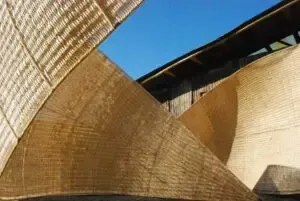
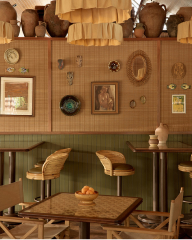
While rattan furniture remains its most recognized application, the material's potential extends into architectural elements. Rattan cane webbing creates distinctive ceiling treatments and wall panels. Its natural flexibility allows curved forms difficult to achieve with rigid materials.
The material's lightweight nature and natural beauty make it particularly valuable for interior applications where structural requirements are minimal but aesthetic impact matters greatly. Interior decor elements incorporating rattan bring organic texture and proven sustainability to projects.
Palm timber represents biomaterial potential still largely untapped by mainstream construction. Despite natural abundance in coconut-growing regions, palm timber remains artisanal rather than industrial—a situation that may change as demand for sustainable materials grows.
Coconut palms grow extensively across tropical regions, yet their timber rarely appears in construction applications. In Mexico, one of the world's top coconut-growing countries, the material remains unavailable industrially and must be sourced through artisans.
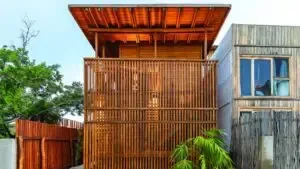
Architects like RED Arquitectos have demonstrated palm timber's potential. Their screen-wrapped house on the Yucatan Peninsula, built almost entirely from surrounding coconut trees, proves the material's viability. Such projects reveal what becomes possible when designers look beyond conventional material catalogs.
Palm timber isn't yet suitable for load-bearing applications, but using it for standalone structures alleviates pressure on global timber production. Every palm timber fence means one less demanding hardwood harvest. This substitution effect multiplies as more designers discover the material's properties.
The challenge lies in scaling production from artisanal to industrial without compromising sustainability. As demand grows and processing techniques improve, palm timber may join bamboo as a recognized building material with established supply chains.
The shift toward biomaterials isn't driven by environmental consciousness alone. Regulatory frameworks increasingly restrict high-carbon materials, while customer pressure accelerates the timeline for change. Understanding these forces helps designers prepare for inevitable transitions.
Regina Polanco, founder of bio-based textile manufacturer Pyratex, observes a fundamental shift approaching: "I believe that in the next couple of years, many brands won't be able to keep using the materials they are using at the moment because there will be way more legislation."
This prediction applies equally to construction. Carbon taxes, embodied carbon limits in building codes, and sustainability requirements in public procurement all point toward regulatory frameworks that favor biomaterials. Early adoption builds expertise that becomes competitive advantage.
Beyond regulations, client expectations evolve rapidly. Corporate tenants seek sustainable office spaces that align with environmental commitments. Homeowners increasingly understand that material choices affect both planetary health and personal wellbeing.
Specifiers who familiarize themselves with biomaterials now position themselves as leaders rather than followers. Understanding how to specify bamboo products, hempcrete systems, and other alternatives becomes valuable expertise as these materials transition from niche to mainstream.
The case for biomaterials rests on multiple converging benefits that conventional materials cannot match. Understanding these advantages helps communicate value to clients and collaborators who may be unfamiliar with alternatives to steel, concrete, and conventional timber.
Biomaterials reduce overall carbon footprints through multiple mechanisms simultaneously. They sequester carbon during growth, require minimal processing energy, and often improve rather than degrade growing sites. This comprehensive benefit package transforms environmental accounting from damage limitation to positive contribution.
The materials optimize use of existing resources by turning fast-growing plants into high-performance building products. Rather than waiting decades for trees to mature or extracting finite mineral resources, biomaterial production works with natural growth cycles that regenerate continuously.
Many biomaterials actively restore biodiversity. Rattan requires diverse forest ecosystems. Hemp improves degraded soils. Bamboo groves provide wildlife habitat while producing building materials.
This ecological integration means material production supports rather than threatens ecosystem health. When biomaterials become mainstream commercial use, they promise to dramatically change buildings' environmental impact and the relationship between construction and natural systems.
Individual buildings using biomaterials sequester modest carbon amounts. However, scaling biomaterial use across the construction industry creates massive carbon sinks. Forests of bamboo producing building materials, fields of hemp creating insulation, managed rattan harvests—these become infrastructure for atmospheric carbon removal.
This systemic perspective reveals biomaterials' true potential. They don't just reduce construction's carbon emissions—they turn the industry into a carbon sequestration mechanism that actively reverses climate change while providing essential building materials.
Understanding biomaterials' benefits differs from confidently specifying them in projects. Taking practical steps to evaluate materials, test applications, and build expertise accelerates the transition from conventional to regenerative material palettes.
Begin biomaterial experimentation where building codes present fewer barriers. Bamboo flooring, bamboo fencing, ceiling treatments, and interior decor elements all demonstrate biomaterial potential without navigating complex structural approvals.
Order samples to understand material qualities directly. Bamboo's texture, rattan's flexibility, and other characteristics become clear through hands-on evaluation. This tactile understanding informs confident specification and helps communicate material benefits to clients.
Examining real-world biomaterial applications reveals practical considerations that specifications alone cannot convey. House of Bamboo's projects demonstrate bamboo's versatility across contexts. Seeking out hempcrete buildings, rattan installations, and palm timber applications shows what's currently possible.
Visit completed installations when possible. Seeing how biomaterials age, weather, and perform over time builds confidence that translates directly into specification decisions. Contact design teams who've pioneered biomaterial use—their experience accelerates your learning curve.
Professional development resources help navigate biomaterial specification complexities. CPD training covering material properties, installation requirements, and design considerations equips architects and designers with knowledge needed for successful implementation.
Engage with suppliers who understand both material properties and application requirements. House of Bamboo's design consultants bring decades of experience matching products to project needs. This expertise proves invaluable when specifying unfamiliar materials for the first time.
The trajectory toward biomaterial dominance seems clear, driven by environmental necessity, regulatory pressure, and improving material performance. Understanding likely developments helps position your practice for coming changes in material availability and client expectations that will reshape the construction industry.
Regulations will increasingly favor low-carbon materials, making biomaterial specification not just ethical but economically advantageous. Carbon pricing, embodied carbon limits, and sustainability requirements will shift cost calculations in biomaterials' favor.
Early adopters gain expertise while these materials remain voluntary—creating competitive advantage when they become mandatory. Projects completed today using biomaterials become portfolio pieces demonstrating forward-thinking practice when regulations tighten tomorrow.
Material science continues improving biomaterial performance and expanding applications. Engineering advances may soon enable bamboo and hempcrete in primary structural roles currently restricted by building codes. Processing improvements will make palm timber and other underutilized materials industrially available.
These developments expand design possibilities while maintaining or improving environmental benefits. What seems experimental today becomes standard practice tomorrow as material science catches up with environmental necessity.
Most importantly, scaling biomaterial production creates positive feedback loops. Increased demand drives processing improvements and cost reductions. More projects mean more completed examples demonstrating long-term performance that reassures cautious specifiers.
Supply chains mature, making materials more readily available with reliable quality and delivery timelines. This momentum transforms niche alternatives into mainstream solutions that eventually become preferred choices over conventional materials.
The question isn't whether biomaterials will dominate sustainable construction, but how quickly the transition occurs and which designers position themselves as leaders. The time to build biomaterial expertise is now, while pioneering still offers competitive advantage and the learning curve remains manageable.
Contact House of Bamboo to explore how bamboo products can begin your biomaterial journey. Order samples to experience the quality directly. Explore projects showcasing biomaterial applications across residential, commercial, and institutional settings. The sustainable materials of tomorrow are available today—the choice to specify them is yours.